
Planting
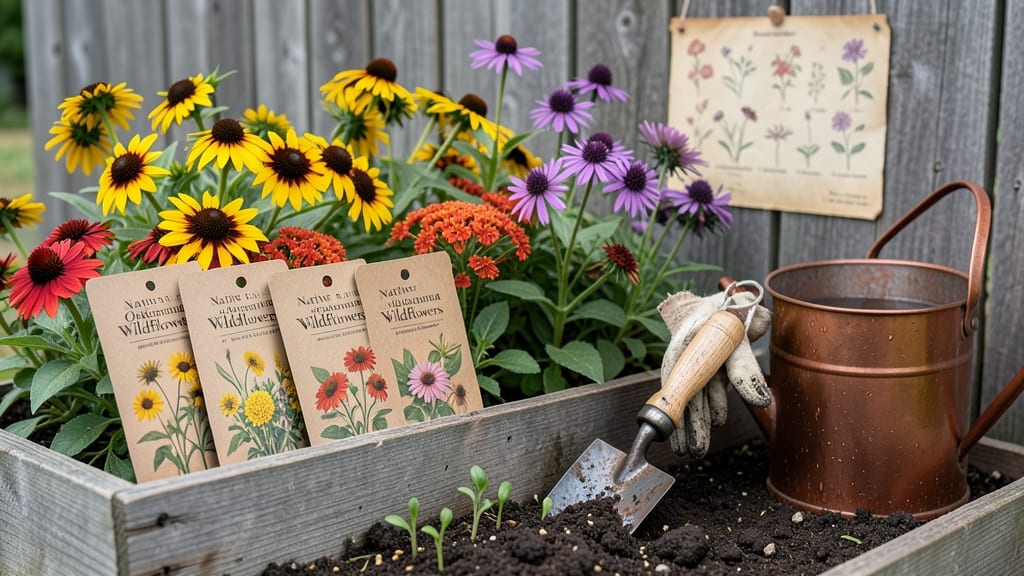
Knowing when to plant a garden in Oklahoma means timing your crops to the state's USDA Zone 7a-7b climate: cool-season vegetables like lettuce and peas should go in during early spring (late February to early March) or fall (September to October), while warm-season crops such as tomatoes and peppers need to wait until after the last frost (mid-April to early May). Local microclimates—like urban heat islands or sheltered valleys—can shift these windows by weeks.
Oklahoma's planting schedule varies dramatically between its northern and southern regions, with Zone 7a areas (like Tulsa) often seeing frost until mid-April, while Zone 7b (like Oklahoma City) may warm up faster. 🌱 The key is tracking your local last frost date, which can differ by 2-3 weeks even within the same county.
For example, gardeners in the Panhandle might plant warm-season crops in early April, while those in the Ozark foothills should wait until late April. Soil temperature also matters—most warm-season crops need soil to stay above 60°F for consistent germination.
Pro tip: Use row covers or cold frames to extend your cool-season growing window by 3-4 weeks, especially for delicate greens like spinach. Many Oklahoma gardeners also take advantage of fall planting, which often yields more reliable harvests than spring due to cooler temperatures and reduced pest pressure.
💡 In This Article
- Oklahoma Planting Zones and Frost Dates
- Best Crops for Oklahoma’s Planting Seasons
Oklahoma planting zones and frost dates
Oklahoma's USDA Zones 7a-7b create a unique gardening puzzle where frost dates can vary by 2-3 weeks even within the same county. The average last spring frost typically falls between mid-April and early May, but this timeline shifts dramatically depending on elevation and urban heat.
For instance, Oklahoma City's Zone 7b often sees its final frost by April 15, while higher-elevation areas like the Ozark foothills may not reach frost-free conditions until May 1.
This variation means gardeners in Zone 7a (like Tulsa) should plan warm-season crops 2 weeks later than those in Zone 7b.
The state's diverse geography creates microclimates that can dramatically alter planting windows. Urban areas like Oklahoma City experience the "urban heat island" effect, where pavement and buildings trap heat, allowing warm-season crops to be planted 1-2 weeks earlier than in rural areas.
Conversely, sheltered valleys and low-lying regions often retain cold air longer, delaying the last frost by 7-10 days. Soil temperature plays a crucial role too—most warm-season crops require soil to stay above 60°F for consistent germination, which typically occurs 2-3 weeks after the last frost date. 🌱
For precision planning, Oklahoma gardeners should consult local frost data from sources like the National Weather Service or university extension services. Many garden centers now offer frost-free date calculators that account for historical data and elevation.
A practical tip: Plant test crops like radishes or lettuce in early spring to gauge when your specific microclimate is frost-free. These fast-growing indicators can reveal 3-5 day differences from official averages that might make or break your planting schedule.
Understanding these regional variations helps explain why some Oklahoma gardeners achieve success with early plantings while others face repeated frost damage. For example, while southern Oklahoma may safely plant tomatoes by April 20, northern regions should wait until May 5 to avoid 20-30% plant loss from late frosts.
The key is matching your planting window to both the air temperature (for frost risk) and soil temperature (for seed viability), which often diverge by 1-2 weeks in Oklahoma's transitional climate.
Advanced gardeners often use frost protection methods to extend planting windows. Row covers can push back the last frost date by 2-3 weeks, while cold frames allow for 4-6 week earlier plantings of cool-season crops.
These techniques become particularly valuable in Oklahoma's Zone 7a areas, where the growing season is naturally shorter. The trade-off? These methods require 10-15% more maintenance but can dramatically increase yield potential for early and late-season crops.
What most gardeners overlook is how soil type interacts with these frost dates. Sandy soils warm up faster in spring but also dry out quicker, while clay soils retain moisture but stay cold longer.
This means even within the same frost zone, your planting window might shift by 5-7 days depending on what's under your plants. For example, a loamy soil in Oklahoma City might be ready for planting 3 days earlier than a nearby clay soil patch with identical frost history.
To maximize your Oklahoma garden's potential, start by identifying your specific microclimate's frost-free date, then adjust your planting schedule accordingly. Many local extension offices offer free frost date maps that account for these variations—an invaluable tool for Oklahoma's diverse gardening conditions.
Remember, the 30-year averages provide a baseline, but your actual frost date could vary by 1-2 weeks each year due to weather patterns. 🌿