
Planting
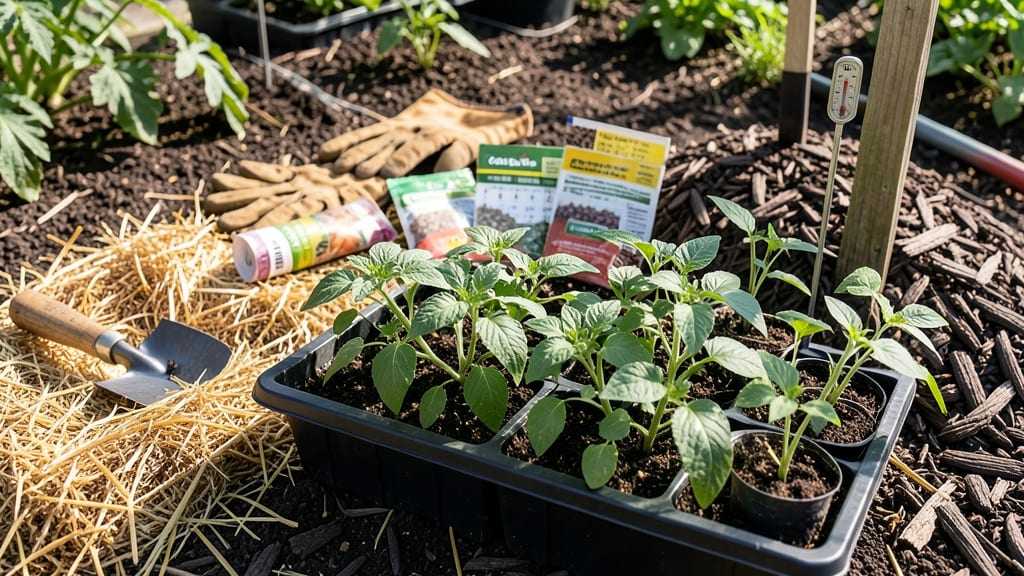
Planting a vegetable garden in Oklahoma at the right time means the difference between a thriving harvest and a disappointing one 🥬 — and getting it wrong can leave you with stunted plants or lost crops.
Oklahoma’s unpredictable weather can make or break your vegetable garden. Planting at the wrong time means stunted growth, pests, or even total crop failure. But with the right timing, you’ll enjoy a bountiful harvest all season long.
In zones 6b-7a, the best window for cool-season crops like lettuce and peas is late February to early April, while warm-season favorites such as tomatoes and peppers need to wait until soil warms to 60°F—usually late April to early May.
Below, I’ll break down the exact deadlines by region, how to adjust for late frosts or early heat, and which crops thrive in Oklahoma’s two planting seasons—so you can plan for success from seed to harvest.
Oklahoma planting zones & best months for vegetable gardens by region
Oklahoma spans USDA Planting Zones 6a through 7b, meaning the last frost dates and ideal planting windows vary dramatically from north to south. In Zone 6a (northern Oklahoma), you’ll face earlier frosts and shorter growing seasons, while Zone 7b (southwestern Oklahoma) enjoys longer, warmer springs.
Understanding these differences ensures your warm-season crops like tomatoes and peppers thrive while cool-season crops like lettuce and spinach avoid frost damage.
For most of Oklahoma, the best time to plant a vegetable garden falls between late February and early April for spring crops and late July to early September for fall plantings.
However, these windows shift by 2-4 weeks depending on your specific zone. Soil temperature is just as critical as air temperature—most warm-season vegetables need soil at 60°F or warmer before planting, while cool-season crops can tolerate cooler soils.
Here’s how to align your planting schedule with Oklahoma’s 7 distinct zones, including last frost dates, heat tolerance thresholds, and optimal planting months for both warm- and cool-season crops:
| Zone | Avg. Last Frost | Cool-Season Planting | Warm-Season Planting | Heat Tolerance Threshold |
|---|---|---|---|---|
| 6a (Northern OK) | March 15 | Feb 15 - Mar 15 | Apr 15 - May 1 | 85°F (longer than 3 days) |
| 6b (Central OK) | March 22 | Feb 20 - Mar 20 | Apr 1 - Apr 15 | 90°F (longer than 5 days) |
| 7a (South-Central OK) | March 30 | Feb 28 - Mar 28 | Mar 25 - Apr 10 | 95°F (longer than 7 days) |
| 7b (Southwestern OK) | April 5 | Mar 5 - Apr 1 | Mar 15 - Mar 31 | 100°F (longer than 10 days) |
| Fall Planting Window (All Zones): Late July - Early September | ||||
In Zone 6a, where frosts linger until mid-March, prioritize fast-maturing cool-season crops like radishes, spinach, and peas. These can be direct-sown as early as mid-February under row covers to extend the season.
Meanwhile, Zone 7b gardeners can push the envelope with early tomatoes and peppers planted by mid-March, thanks to warmer soils and later frosts.
For warm-season vegetables like okra, sweet potatoes, and southern peas, Oklahoma’s southern zones (7a/7b) allow planting as early as mid-March, while northern zones (6a/6b) should wait until mid-April. Always check soil temperature with a soil thermometer—warm-season crops will bolt or fail if planted in cold soil.
A general rule: 60°F for beans, 65°F for peppers, and 70°F for tomatoes.
Fall planting in Oklahoma follows a similar south-to-north gradient. In Zone 7b, you can direct-sow cool-season crops like kale and broccoli as early as late July, while Zone 6a gardeners should wait until early August to avoid early fall frosts.
Succession planting every 2-3 weeks ensures a steady harvest before the first frost, typically hitting mid-November in most regions.
Don’t overlook microclimates—areas near lakes, rivers, or urban heat islands can have earlier last frosts or longer growing seasons. For example, Tulsa (Zone 7a) may experience 2-3 weeks longer growing seasons than rural areas in Zone 6b.
Use frost-free date maps from local Cooperative Extension offices to fine-tune your schedule.
Pro tip: Use frost cloth or row covers to extend the season by 2-4 weeks in cooler zones. For Zone 6a, this can mean planting
Top 5 vegetables to plant in Oklahoma (and when to start seeds indoors vs. direct-sow)
Oklahoma’s USDA zones 6b-7a give us a long growing season for vegetables, but timing is everything. Whether you’re growing tomatoes or leafy greens, starting seeds indoors or direct-sowing at the right time ensures a bountiful harvest before Oklahoma’s late summer heat or early frosts take over.
For early harvests, I recommend starting seeds indoors 4-6 weeks before the last frost date (around March 15). This gives seedlings a head start while protecting them from unpredictable spring frosts.
Meanwhile, warm-season crops like peppers and beans thrive when planted after soil warms to 60°F, usually in late April or May.
🌱
My top 5 picks for Oklahoma gardens balance high yields with adaptability to our hot summers and cool springs. Tomatoes and peppers are must-haves for their productivity, while green beans and leafy greens offer quick harvests and succession planting opportunities. Cucumbers thrive in late spring when soil warms up, giving you a refreshing summer crop.
For fall harvests, repeat the process in late summer—start seeds indoors for cool-season crops like lettuce and spinach 6-8 weeks before the first frost (around November 15).
This ensures a second harvest before winter sets in. Just be mindful of Oklahoma’s erratic weather—always have row covers ready for unexpected early frosts.
Pro tip: Use mulch to regulate soil temperature and retain moisture, especially for heat-sensitive crops like lettuce. And remember, soil temperature matters more than calendar dates—always check with a soil thermometer before planting warm-season crops.
With these timing strategies, you’ll avoid the common mistakes of overcrowding seedlings or planting too late for a full harvest. Happy gardening!
🌿