
Planting
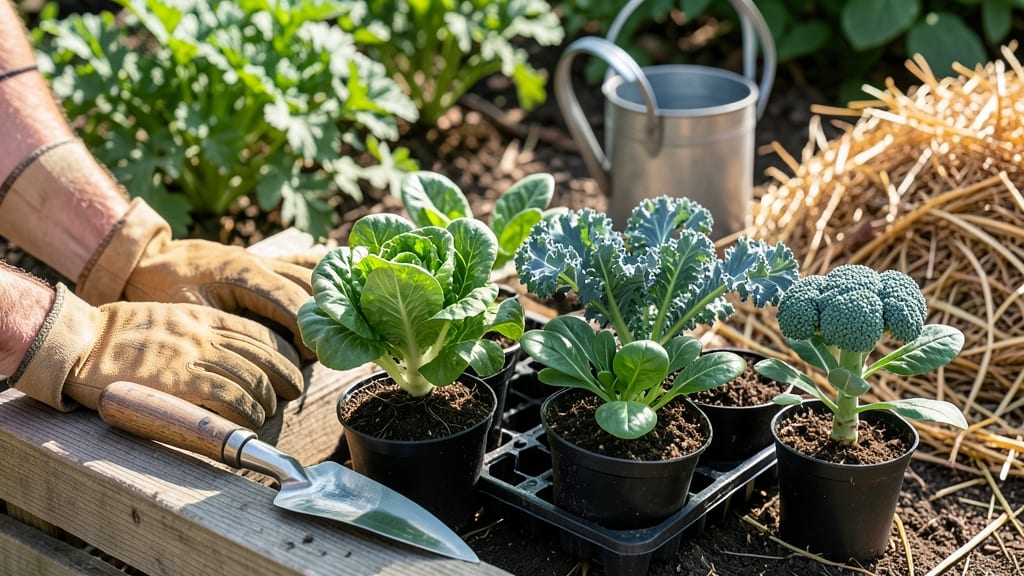
Planting a fall garden in Texas starts as early as August for heat-tolerant crops, but the real magic happens in September when temperatures drop just enough for cool-season favorites.
Texas gardeners know summer’s brutal heat can make planting feel impossible—but fall gardens thrive when timed just right. Plant too early, and your crops bolt in the heat; too late, and frost ruins your harvest.
This schedule avoids those pitfalls by breaking down month-by-month deadlines for North Texas (where first frost hits by November) and South Texas (where you can push crops into December).
You’ll learn which crops—like kale, broccoli, and cilantro—need to hit the soil by mid-September, plus the heat-resistant varieties (okra, sweet potatoes) that can start in August without wilting.
Texas fall planting calendar: month-by-month schedule for heat-tolerant & cool-season crops
Timing your Texas fall garden correctly means beating the heat and avoiding frost. In USDA zones 7a–10b, the window to plant heat-tolerant crops like okra and sweet potatoes opens in August, while cool-season favorites like kale and broccoli need to be in the ground by mid-September.
South Texas (zones 9b–10b) has a longer growing season, while North Texas (zones 7a–8a) faces earlier frosts—sometimes as early as November. Miss these deadlines, and you’ll end up with bitter greens or stunted roots.
Here’s the month-by-month breakdown for Texas’ most productive fall crops, tailored to your region. Start with heat-tolerant varieties in August, then transition to cool-season staples as temperatures drop. The key? Soil temperature—aim for 60–75°F for most seeds to germinate properly. Use a soil thermometer to check before planting.
🌱
For North Texas gardeners (zones 7a–8a), the clock starts ticking in September. By October 15, you’ll need to have broccoli, cauliflower, and cabbage planted—these take 60–90 days to mature. In <
Best fall crops for Texas gardens: heat-resistant vs. cool-season plants compared
Texas gardeners face a unique challenge when planning fall crops—the state’s long growing season and variable frost dates demand careful crop selection. Some plants, like ‘Texas Bluewave’ okra, handle summer’s lingering heat, while others, like broccoli, need cooler temps.
The key is matching heat tolerance to your USDA zone and planting window.
South Texas (Zones 8–10b) can plant heat-resistant greens like ‘Black Spanish’ radishes as early as late August, while North Texas (Zones 7–8a) should wait until mid-September. Misjudging this window often leads to bolting or frost damage—both costly mistakes for Texas gardeners.
Here’s how to compare your options with a quick pros-cons breakdown of Texas’ top fall crops:
Heat-Resistant vs. Cool-Season Crops
- ✅ Starts in August
- ✅ Tolerates 90°F+
- ✅ ‘Texas Bluewave’ okra
- ✅ ‘Black Spanish’ radishes
- ✅ Sweet potatoes
- ✅ Starts in September
- ✅ Needs 60°F+ soil
- ✅ Broccoli ‘Waltham 29’
- ✅ Kale ‘Winterbor’
- ✅ Carrots ‘Danvers’
- ❌ Bolts in heat
- ❌ Limited varieties
- ❌ Requires shade cloth
- ❌ Frost-sensitive
- ❌ Slow start in heat
- ❌ Needs row covers
For heat-resistant crops, prioritize fast-maturing varieties like ‘Black Spanish’ radishes, which mature in just 25 days and thrive in 95°F heat. These are perfect for South Texas gardeners who want to beat the frost.
Meanwhile, cool-season crops like ‘Winterbor’ kale need cooler temps but reward you with sweet, frost-hardy leaves.
One common mistake? Planting broccoli too late in South Texas. By October, nights cool quickly, and frost can hit by November. Instead, opt for ‘De Cicco’ broccoli, which tolerates light frosts and matures in 60 days.
Pair it with ‘Texas Bluewave’ okra for a dual-purpose fall garden that stretches from heat to frost.
Pro tip: Use shade cloth for heat-sensitive crops like lettuce in August, or try succession planting every 2 weeks to extend harvests. For example, plant ‘Cherry Belle’ radishes in late August, then again in early September for a staggered harvest before frost.
With the right mix of heat-tolerant and cool-season crops, your Texas fall garden can thrive from August through December—no matter your zone. Start with these two categories, and you’ll avoid the most common pitfalls.