
Planting
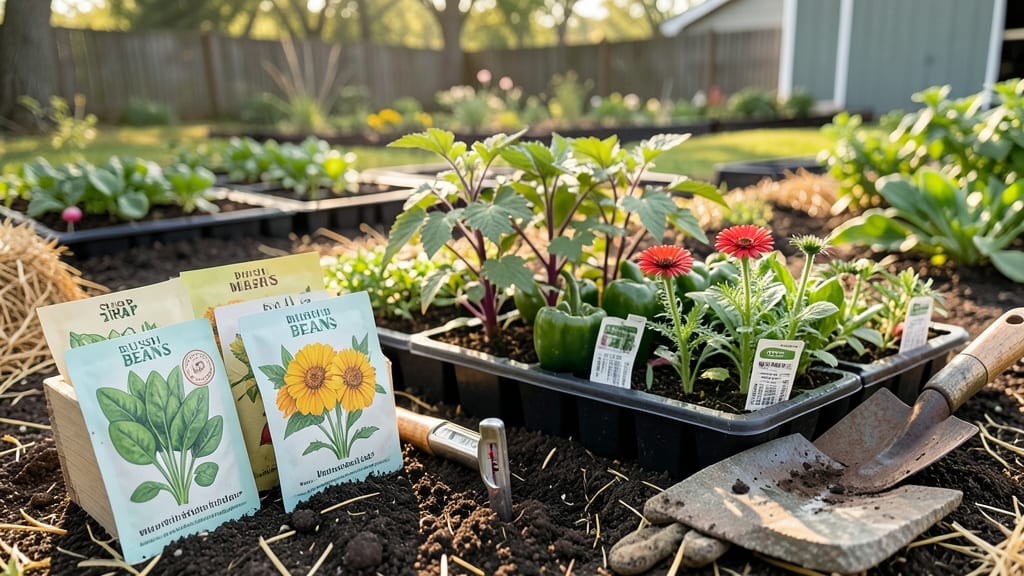
Planting your garden in Ohio at the right time means catching that narrow window between frost and heat—when soil temperatures hit 60°F for most vegetables and 50°F for cool-season crops like peas.
Ohio’s unpredictable spring weather can turn your gardening dreams into a gamble—unless you know the exact soil temperature triggers that guarantee peak yields for tomatoes, lettuce, and more.
One week too early, and frost zaps your seedlings; one week late, and the summer sun scorches them before they even set fruit.
This isn’t just about memorizing frost dates (though those matter too). The real secret lies in your soil’s temperature, which tells you when roots can thrive. In USDA Zones 6a/6b, that often means waiting until mid-April for warm-season plants, even if the calendar says spring has sprung.
Below, I’ll walk you through Ohio’s ideal planting timeline by crop type, how to test soil temperature like a pro, and the few plants that break the rules—like kale, which actually loves Ohio’s cool shoulders of spring and fall.
Ohio’s ideal planting timeline by crop type and soil temperature
Ohio’s gardening season hinges on soil temperature, not just air temperature. Unlike warmer climates, our USDA Zones 5–7 demand precision—planting too early risks frost damage, while waiting too long shrinks your harvest window.
The key? Knowing when your soil hits critical thresholds like 40°F for peas or 60°F+ for tomatoes.
Northern Ohio (Zone 5) typically sees its last frost around April 15–May 1, while southern Ohio (Zone 7) can push to May 15–June 1. But don’t rely solely on dates—soil temperature varies by microclimate, like urban heat islands or shaded garden beds.
For example, a black plastic mulch can raise soil temps by 10°F+ in just days.
Pro Tip: Use a soil thermometer (inserted 2–4 inches deep) to confirm readiness. Morning readings are most accurate. If you’re in Zone 6b, aim for 50°F soil for cool-season crops like spinach or carrots, but wait until 65°F+ for heat-lovers like peppers or cucumbers.
Here’s your Ohio planting cheat sheet, organized by crop type and soil temp triggers:
| Crop Type | Soil Temp Threshold | Planting Window (Ohio) | Notes |
|---|---|---|---|
| Cool-Season Veggies (Peas, Lettuce, Spinach) | 40–50°F | March 15–April 30 (Zone 5) / April 1–May 15 (Zone 7) | Direct sow as soon as soil is workable; succession plant every 2 weeks. |
| Warm-Season Veggies (Tomatoes, Peppers, Cucumbers) | 60–65°F+ | May 1–June 1 (Zone 5) / April 15–May 15 (Zone 7) | Start indoors 6–8 weeks before last frost; harden off before transplanting. |
| Herbs (Basil, Cilantro, Parsley) | 50–55°F (basil: 70°F+) | April 15–May 1 (Zone 5) / March 15–April 30 (Zone 7) | Basil bolts in heat; plant in partial shade for summer. |
| Flowers (Marigolds, Zinnias, Snapdragons) | 55–60°F | April 15–June 1 (all zones) | Direct sow after frost; deadhead for continuous blooms. |
| Perennials (Daylilies, Coneflowers, Lavender) | 45–50°F | April 1–May 15 (bare root) / April 15–June 1 (potted) | Plant in fall or early spring for best establishment. |
| Fall Crops (Kale, Radishes, Garlic) | 50–55°F | August 1–September 15 | Radishes mature in 30 days; kale sweetens after frost. |
For northern Ohio gardeners, extend your season with row covers or cold frames—they can add 2–4 weeks of growing time. In southern Ohio, focus on heat-tolerant varieties like ‘Heatmaster’ tomatoes or ‘Malabar’ spinach, which thrive in 85°F+ soil.
Microclimates matter: A south-facing wall can warm soil by 10°F compared to an open bed. If your garden is in a low spot, plant cool-season crops earlier and warm-season crops later. Conversely, urban heat islands may let you plant tomatoes 1–2 weeks earlier than rural areas.
Don’t forget fall planting! Ohio’s first frost typically hits October 15–November 1, but crops like garlic and onions need 6–8 weeks of cold to bulb properly.
Plant them in October for next summer’s harvest. Even lettuce and spinach sown in late August can survive light frosts and produce sweeter leaves.
Use this timeline as your garden’s GPS. When in doubt, soil temperature wins
How to test soil temperature and adjust planting for Ohio’s unpredictable spring
Ohio’s spring weather can swing from freezing nights to 80°F days in a week, leaving gardeners guessing when to plant. The key to success? Checking soil temperature—not just air temperature—before sticking seeds in the ground.
Cold soil can stunt growth or even kill tender seedlings, while warm soil speeds up germination and root development. I’ve learned the hard way that planting too early (like those eager tomato seeds in March) often leads to leggy, weak plants that struggle to recover.
Most gardeners focus on last frost dates, but soil temperature tells the real story. For example, peas and spinach can handle 40°F soil, while tomatoes and peppers need at least 60°F to thrive.
Without testing, you might be planting your cucumber seeds in chilly 50°F soil, which delays germination by weeks. I’ll show you how to test soil temperature accurately and adjust your planting schedule to match Ohio’s fickle climate.
⚠️ Don’t Plant Too Early—Here’s Why
Cold soil (below 50°F) can cause:
- Seed rot from excess moisture and slow decomposition
- Leggy seedlings stretching toward weak sunlight
- Delayed germination (some seeds wait weeks for warmth)
- Fungal diseases thriving in damp, cold conditions
Ohio’s northern regions (like USDA Zone 5) often see late springs. Wait for consistent soil temps—not just air temps—to avoid these pitfalls.
To test soil temperature, grab a soil thermometer (digital or analog) and insert it 2–3 inches deep—the depth where most seeds germinate. Check temperatures in the morning (soil is coolest then) and afternoon (warmest). Record readings for a week to spot trends.
I keep a small notebook by my garden gate to track daily changes. Pro tip: Wet soil reads 5–10°F colder than dry soil, so test after a light rain if possible.
Once you’ve got your data, compare it to plant-specific thresholds. For instance, lettuce and carrots prefer 50–60°F soil, while beans and squash thrive at 65–75°F. If your soil is too cold, use row covers or a cold frame to warm it up.
Last year, I extended my spinach season by 3 weeks with a simple floating row cover, letting me harvest fresh greens into early May. For heat-loving plants like eggplants, wait until soil hits 70°F+—even if air temps feel warm.
Ohio’s microclimates add another layer of complexity. Southern Ohio (like Zone 6b) often warms up 2–3 weeks earlier than northern areas (like Zone 5a). If you’re unsure, ask local gardeners or check Ohio State University Extension maps for your county’s average last frost date.
I also plant a few test rows of fast germinators (like radishes) to gauge soil readiness before investing in slower crops.
Even with perfect timing, Ohio’s unpredictable weather can throw a wrench in your plans. If a late frost hits after you’ve planted, rush to cover seedlings with row fabric or old blankets. For fall planting, use black plastic mulch to absorb heat and speed up soil warming.
I’ve had great success with kale and broccoli planted in early September—they tolerate light frosts and even sweeten up when exposed to 20–30°F temps. Think of your garden as a puzzle: soil temperature is one piece, but flexibility is the whole picture.