
Planting
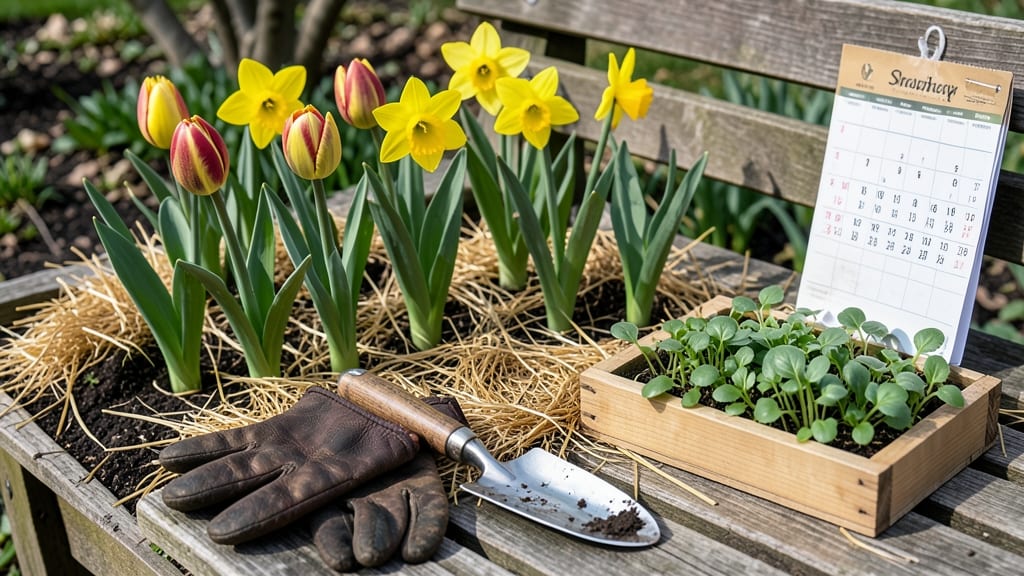
Planting a garden in Ohio requires timing your seeds and seedlings to the 4-6 weeks before last frost — a window that shifts from mid-April in southern Ohio to late April in the north.
Ohio’s unpredictable spring weather can leave gardeners guessing—plant too early, and frost will kill your seedlings; too late, and you’ll miss peak harvests. But with the right timing, you can maximize growth and yield in Ohio’s diverse planting zones.
Cool-season crops like lettuce and peas thrive when sown 4-6 weeks before last frost, while tomatoes and peppers need to wait until 2-3 weeks after the average frost date. The key is knowing your zone and adjusting for late frosts or early heatwaves.
In this guide, I’ll break down the exact weeks before last frost for Ohio’s USDA zones, plus tips for adjusting your schedule when Mother Nature throws a curveball. Ready to grow faster and harvest bigger?
Ohio planting zones and exact weeks before last frost for each region
Ohio spans USDA Plant Hardiness Zones 5b through 6b, meaning gardeners must adjust planting times based on their exact location. The average last frost date varies from early April in southern Ohio to mid-May in the northern regions.
Understanding these differences helps you time cool-season crops (like lettuce and peas) and warm-season crops (like tomatoes and peppers) perfectly for your area.
For example, Cincinnati (Zone 6a) has a last frost around April 15, while Toledo (Zone 5b) typically sees its last frost closer to May 10. Planting too early in colder zones risks frost damage, while delaying in warmer zones can shorten harvest windows.
Let’s break down the exact weeks before last frost for each Ohio region to optimize your planting schedule.
⚠️ Key Rule: Plant cool-season crops 4-6 weeks before last frost and warm-season crops 2-3 weeks after. This timing ensures seedlings survive early frosts while warm-lovers establish roots before summer heat arrives.
| Region | USDA Zone | Avg. Last Frost | Cool-Season Planting Window | Warm-Season Planting Window |
|---|---|---|---|---|
| Southern Ohio (e.g., Cincinnati, Dayton) | Zone 6a | April 15 | March 15–April 1 | April 25–May 10 |
| Central Ohio (e.g., Columbus, Mansfield) | Zone 6a/b | April 20 | March 20–April 5 | May 1–May 15 |
| Northern Ohio (e.g., Toledo, Cleveland) | Zone 5b | May 10 | April 1–April 15 | May 20–June 1 |
In southern Ohio (Zone 6a), you can start planting cool-season crops like spinach and broccoli as early as March 15, giving them time to mature before summer heat.
Meanwhile, warm-season crops like tomatoes and peppers should wait until after April 25 to avoid frost damage. This region’s longer growing season allows for two full harvests of many vegetables.
Central Ohio’s Zone 6a/b offers a balance, with last frosts around April 20. Here, hardy greens like kale can be sown in late March, while tomatoes and peppers thrive when planted after May 1.
The slightly later frost date means you can extend your fall planting into early September for a second harvest.
Northern Ohio’s Zone 5b has the latest last frost (May 10), so cool-season crops must wait until April 1 to avoid frost.
However, this region’s shorter growing season means warm-season crops like beans and cucumbers should be planted by May 20 to ensure they mature before the first frost in mid-October. Gardeners here often rely on row covers to extend the season.
Regardless of your zone, always monitor local frost forecasts—unpredictable weather can shift your planting timeline by weeks. For example, a late frost in April could delay warm-season planting until June, while an early warm spell in March might allow earlier sowing of cold-hardy crops.
Use a garden journal to track your region’s patterns over time for better future planning.
Pro tip: In colder zones, start warm-season crops indoors 6-8 weeks before last frost to give seedlings a head start. For example, in Toledo, begin tomato seedlings indoors on March 15 to transplant them outdoors by May 20. This strategy maximizes your growing window and boosts yields.
Remember, soil temperature matters just as much as air temperature. Warm-season crops like peppers need soil at 60°F or warmer, while cool-season crops like peas thrive in 40–50°F soil. Use a soil thermometer to confirm readiness before planting.
By aligning your planting schedule with Ohio’s zone-specific frost dates, you’ll avoid common mistakes like frost-killed seedlings or underdeveloped harvests. Whether you’re in Cincinnati or Cleveland, these timelines ensure your garden thrives year after year. Happy planting! 🌱
Best months to plant specific vegetables in Ohio (with frost-date adjustments)
Ohio’s last frost dates typically range from mid-April in southern regions to early May in northern areas. Timing is everything—plant too early, and frost will zap your seedlings; too late, and you’ll miss peak harvests.
The key is adjusting for soil temperature and frost risks while using succession planting to stretch your growing season.
For cool-season crops like lettuce and peas, start sowing 4-6 weeks before your area’s last frost. Warm-season crops, including tomatoes and peppers, need to wait until after the last frost and when soil temps hit 60°F+.
Here’s my month-by-month breakdown for Ohio’s top 10 vegetables, with frost-date adjustments to keep your garden thriving.
- 1 March–Early April: Cold-hardy crops like spinach, peas, and kale can handle Ohio’s early spring. Start seeds indoors or sow directly in well-draining soil covered with row covers for frost protection.
- 2 Mid-April–Early May: Plant lettuce, radishes, and carrots 4-6 weeks before your last frost. For warm-season crops, wait until soil temps reach 60°F+—usually late May in northern Ohio.
- 3 Late May–Early June: The sweet spot for tomatoes, peppers, and beans. Transplant seedlings or sow directly after the last frost, ensuring full sun exposure (6+ hours daily).
- 4 June–July: Succession plant heat-tolerant crops like okra, sweet potatoes, and southern peas. Mulch heavily to retain moisture and protect roots from Ohio’s summer heatwaves.
- 5 August–Early September: Plant fall lettuce, spinach, and broccoli for a second harvest. Use shade cloth if summer heat lingers to prevent bolting.
Don’t forget succession planting—sow new seeds every 2-3 weeks for continuous harvests. For example, plant bush beans every 10 days from May to July to enjoy fresh pods all summer. In northern Ohio, extend your season with row covers or a cold frame to protect late crops.
Adjust for your specific Ohio region: Southern Ohio (e.g., Cincinnati) can plant 2 weeks earlier than northern areas (e.g., Toledo). Check your local last frost date and plan accordingly—your garden’s success depends on it! 🌱