
Planting
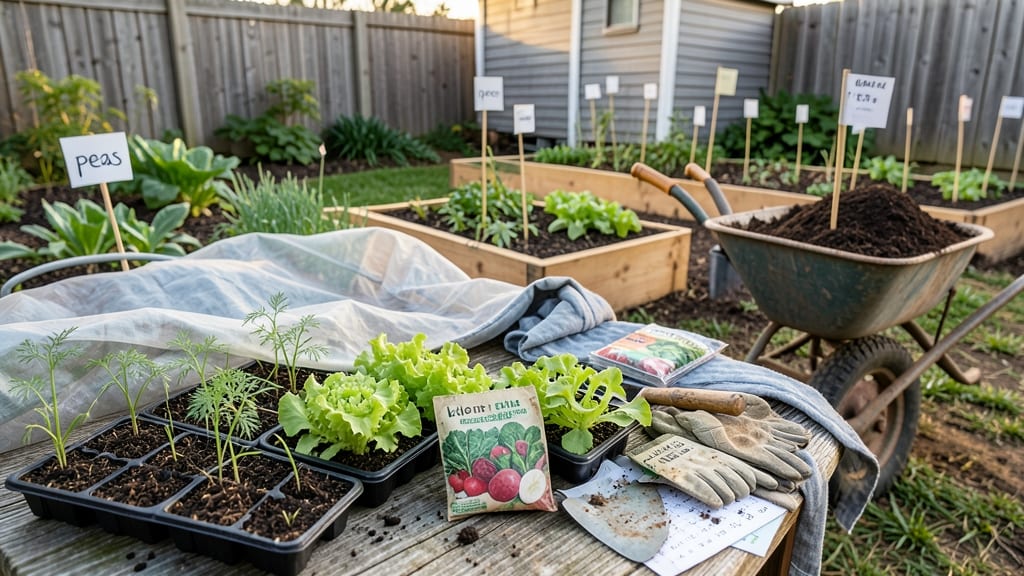
Planting your garden in Michigan at the right time means the difference between a lush harvest and a sad, frost-nipped disappointment.
Michigan’s unpredictable frost dates can turn a thriving garden into a disappointing one—unless you plant at the perfect time. Get the exact frost-free deadlines for your zone and learn which crops to prioritize for a bountiful harvest.
With USDA Zones 5b-6b and last frosts ranging from mid-April to early May, timing is everything. Cool-season crops like peas and lettuce can go in as early as March, while tomatoes and peppers need to wait until after May 15th in most areas.
Inside, you’ll find a month-by-month planting calendar, tips for extending your season, and how to adjust for Michigan’s unpredictable weather. Let’s get those 🌱 growing!
Michigan frost-free dates by USDA Zone: when to plant cool-season vs. warm-season crops
Michigan's USDA Zones 4-6 create unique challenges for gardeners, with frost dates that can vary by 2-3 weeks between northern and southern regions. Knowing your last average frost date is critical—plant too early, and a surprise frost will kill tender seedlings.
Too late, and you miss the growing season entirely. For Zone 4 (Upper Peninsula), aim for mid-May, while Zone 6 (southern Michigan) typically sees frost-free conditions by early April.
Cool-season crops like lettuce and peas thrive when planted 4-6 weeks before the last frost, often as early as late March in Zone 6. Warm-season crops such as tomatoes and peppers need soil temperatures above 60°F and should wait until after the last frost.
In Zone 5 (central Michigan), this usually means late April to early May. Timing is everything—get it wrong, and you risk stunted growth or crop failure.
Here’s the key: Cool-season crops (like spinach, kale, and radishes) can handle light frosts, while warm-season crops (tomatoes, cucumbers, basil) will bolt or die if exposed to temperatures below 50°F.
Use these frost-free dates as your guide, but always monitor local forecasts. A late frost in May can still sneak up, even in Zone 6.
To make it easier, I’ve created a zone-by-zone comparison table below with exact planting windows for your top crops. Bookmark this for quick reference—it’s your roadmap to a bountiful Michigan harvest.
Now that you’ve got your frost-free deadlines, let’s dive into specific crop timing. For cool-season crops, start seeds indoors in late winter (February-March) for an early jump.
Harden off seedlings in early April, then transplant after the soil warms to 45°F. Peas and lettuce are my top picks for early planting—they tolerate light frosts and bolt less easily than other greens.
Warm-season crops need consistent warmth to thrive. Tomatoes and peppers should wait until soil temperatures hit 60°F (use a soil thermometer to check!). In Zone 5, this often means holding off until late May.
For a head start, sow seeds indoors in early April and transplant after the last frost. Basil and cucumbers also fall into this category—plant them too early, and they’ll sulk or rot.
Pro tip: Use row covers or cold frames to extend your planting window by 2-3 weeks in spring or fall. This is especially useful in Zone 4, where the growing season is shorter.
For example, you can plant spinach in early March under a cover and harvest before summer heat sets in. Just remove the cover once temperatures stabilize to prevent overheating.
Don’t forget about succession planting—it’s your secret weapon for a continuous harvest. For lettuce and radishes, sow new seeds every 2 weeks from April through July.
This ensures you’re always enjoying fresh greens, even as summer heat arrives. Bush beans and zucchini also benefit from staggered plantings to avoid glutting your kitchen with produce all at once.
Finally, keep an eye on first frost dates in fall. In Zone 6, expect frost by October 15, while Zone 4 gardeners should plan to harvest by September 15 to avoid damage.
Use frost-sensitive crops like tomatoes and peppers early in the season, then switch to cool-season crops like kale
5 Must-know tips for extending Michigan’s planting season without risking frost damage
Michigan’s short growing season doesn’t mean you’re limited to a few weeks of gardening. With the right strategies, you can extend your planting window by weeks—even months—while protecting tender plants from late spring frosts or early fall freezes.
Whether you’re aiming to plant cool-season crops earlier or warm-season favorites later, these tips will help you maximize your harvest potential.
The key is combining protective structures, smart planting techniques, and frost-resistant varieties. For example, a simple row cover can add 4-6°F of warmth, while cold frames create microclimates that let you plant 3-4 weeks earlier in spring or 2-3 weeks later in fall.
Even succession planting—sowing seeds in staggered batches—can turn a single planting into multiple harvests.
- 📅 Use row covers to plant 2-4 weeks earlier in spring or 3 weeks later in fall. Lightweight fabric blocks wind chill and radiation frost.
- 🔥 Cold frames extend seasons by 4-6 weeks on either end. Ideal for leafy greens and herbs like cilantro and parsley.
- 🌱 Succession plant fast-growing crops like radishes, bush beans, and lettuce every 2 weeks for continuous harvests.
- ☀️ Choose heat-tolerant varieties like ‘Heatmaster’ tomatoes or ‘Malaga’ spinach, which thrive in 80°F+ temperatures.
- 🌡️ Monitor soil temperatures—most seeds need 40-50°F for germination, while warm-season crops like peppers require 60°F+.
One of my favorite tricks is using row covers in early spring. These lightweight fabrics create a protective barrier that shields seedlings from unpredictable frost while still allowing sunlight and water to penetrate.
For instance, I’ve planted spinach and kale under row covers as early as late March in my Zone 5b garden, giving me a head start on the season. Just remember to remove the covers once plants bolt or flower.
For warm-season crops like tomatoes and peppers, cold frames are a game-changer. These insulated boxes trap heat during the day and release it slowly at night, creating a warmer microclimate.
I’ve successfully planted tomato seedlings in a cold frame as late as mid-May, even when nighttime temperatures were still dipping into the 40s°F. By late June, the plants were thriving without any additional protection.
Don’t overlook the power of succession planting, either. Instead of sowing all your bush beans at once, plant a portion every 2 weeks from mid-May through early July.
This ensures a steady supply of fresh beans while also reducing the risk of pest outbreaks or disease pressure from overcrowding. Plus, it’s a great way to make the most of Michigan’s limited frost-free window.
Finally, pay attention to soil temperatures, not just air temperatures. A soil thermometer is a small investment that pays off big time. For example, cool-season crops like peas and carrots germinate best in 40-50°F soil, while warm-season crops like cucumbers and squash need 60-70°F.
If your soil is too cold, your seeds may rot in the ground or take too long to sprout, leaving them vulnerable to pests or frost.
By combining these strategies, you can turn Michigan’s challenging climate into an advantage. Whether you’re a beginner or a seasoned gardener, these tips will help you push your planting dates and enjoy a longer, more productive growing season. Happy planting! 🌱