
Plants
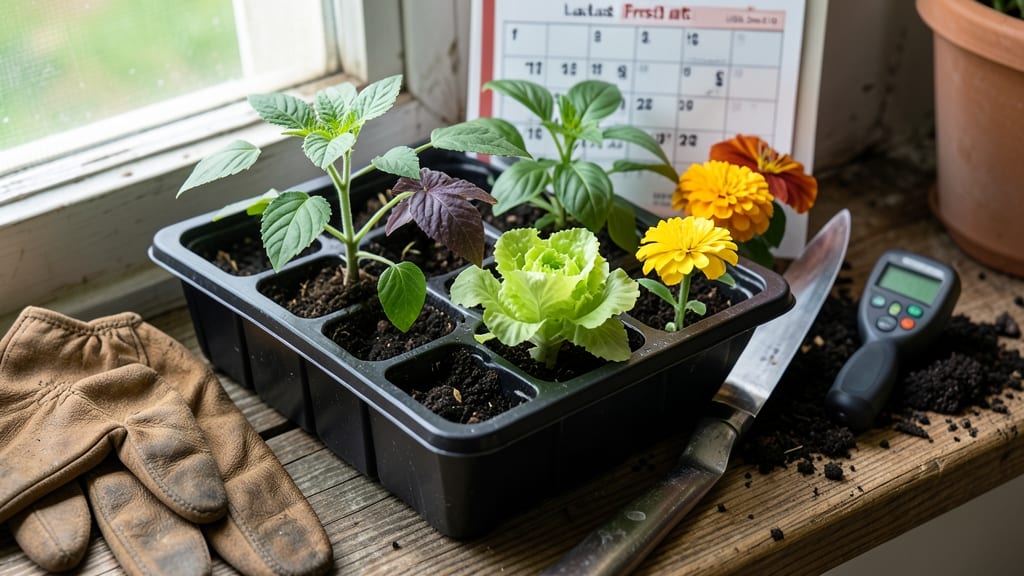
Planting garden plants at the right time ensures your 🌱 thrives from seed to harvest, avoiding frost damage or missed seasons.
Timing is everything in gardening—plant too early and risk frost damage, too late and miss peak harvests. This month-by-month guide ensures you plant garden plants at the perfect time for your climate zone, maximizing growth and yield.
Whether you're in a cold USDA Zone 6a like mine or a warmer region, knowing when to start seeds indoors or sow directly outdoors makes all the difference. The key is balancing soil temperature, frost dates, and plant-specific needs.
Inside, you’ll find a breakdown of ideal planting windows, adjustments for early/late seasons, and common mistakes to avoid—so your garden doesn’t just survive, but flourishes.
Best planting months for garden plants by USDA climate Zones
Understanding your USDA climate zone is the first step to planting garden plants at the perfect time. Each zone—from the cold Zone 3 to the warm Zone 10—has distinct frost-free dates and seasonal windows for planting.
For example, my Zone 6a garden thrives with spring plantings after April 15, while Zone 9 gardeners can plant year-round with minimal frost risk. Let’s break down the ideal months for vegetables, flowers, and herbs in each zone to maximize your harvest.
Most garden plants fall into two main planting categories: cool-season crops (like lettuce and peas) and warm-season crops (like tomatoes and peppers). Cool-season plants tolerate frost and often grow best in spring or fall, while warm-season plants need consistent warmth and thrive when planted after the last frost.
Below, you’ll find a zone-by-zone guide to help you align your planting schedule with your climate’s natural rhythms.
In Zones 3-4, where frost lingers late into spring, focus on cool-season crops like spinach, kale, and peas in early spring. My experience shows that planting these in March or early April gives them time to mature before summer heat sets in.
For warm-season crops, wait until after May 15 to avoid frost damage. Use row covers or cold frames to extend your growing season in these colder zones.
Gardeners in Zones 5-6 enjoy a longer growing season, allowing for both spring and fall plantings. I’ve found that cool-season crops like broccoli and carrots thrive when planted in March-April or August-September.
Warm-season crops, such as tomatoes and peppers, should go in the ground after the last frost, typically in mid-April to May. Starting seeds indoors in March gives them a head start for transplanting later.
For Zones 7-8, the window for planting is even broader. Cool-season crops can be sown as early as February or as late as October, while warm-season crops like cucumbers and beans can be planted year-round with proper care.
In my garden, I often succession plant warm-season crops every 2-3 weeks to ensure a continuous harvest. Fall planting is especially rewarding in these zones, as cooler temperatures reduce pest pressure.
In Zones 9-10, frost is rarely a concern, making it possible to grow almost year-round. However, peak summer heat can stress plants, so I recommend planting
How to adjust planting times for early, mid, OR late seasons
Adjusting your planting schedule can mean the difference between a bountiful harvest and wasted seeds. Whether you're dealing with an early spring frost or a late summer heatwave, smart timing strategies let you extend your growing season and grow more.
Start by identifying your last frost date and first frost date—these are the bookends for most planting windows.
For early-season planting, focus on cold-hardy crops like spinach, peas, and kale. These can handle cooler temperatures and even light frosts. In mid-season, when soil warms up, plant heat-loving crops like tomatoes, peppers, and cucumbers.
Late-season adjustments involve succession planting and heat-tolerant varieties to squeeze in extra harvests before frost.
- 1. Use cold frames to start early-season plants 4-6 weeks before last frost.
- 2. Apply row covers to protect tender plants from late spring frosts.
- 3. Plant heat-tolerant varieties like 'Heatmaster' tomatoes for late-season harvests.
- 4. Try succession planting—sow fast-growing crops every 2 weeks for continuous harvests.
- 5. Adjust for microclimates—south-facing slopes warm faster than shaded areas.
Microclimates play a huge role in planting success. A south-facing slope might be 10°F warmer than a shaded valley, allowing you to plant earlier or later. Use row covers or cold frames to create localized warmth for delicate plants.
For example, lettuce can be planted in a cold frame 3 weeks before your typical last frost date.
Succession planting is a game-changer for extending harvests. Instead of planting all your bush beans at once, sow a new row every 2 weeks. This ensures you have fresh green beans all summer long.
Pair this with fast-maturing varieties like 'Early Girl' tomatoes (55 days to harvest) to maximize your garden's potential.
Heat-tolerant varieties are your best friends in late-season gardens. Look for drought-resistant and high-heat labels on seed packets. 'Solar Fire' peppers and 'Black Krim' tomatoes thrive in hot conditions, while okra and sweet potatoes love the heat. These varieties can often be planted 2-3 weeks later than traditional crops.
Don't forget to monitor soil temperature—most seeds need soil to be at least 60°F to germinate properly. Use a soil thermometer to check before planting. If your soil is too cold, wait a few days or use black plastic mulch to warm it up faster.
This simple tool can save you from wasted seeds and frustration.
By mastering these strategies, you'll turn your garden into a year-round productivity machine. Whether you're battling early frosts or late heatwaves, these adjustments will help you grow more, waste less, and enjoy fresher produce straight from your garden. Happy planting! 🌱