
Planting
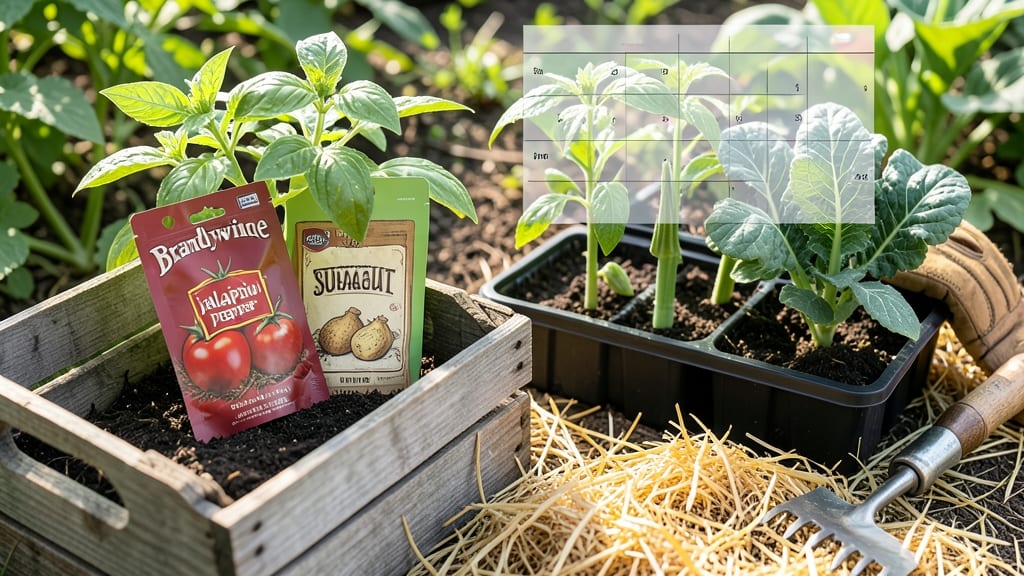
Planting your garden in Georgia at the right time means the difference between a bountiful harvest and a disappointing flop — and the window is narrower than you think.
Georgia’s warm climate and diverse growing zones mean your garden’s success hinges on planting at the perfect time—miss it, and you risk stunted growth, pests, or even total crop failure. But with the right frost-free timeline, you can maximize yields from spring greens to fall squash.
Whether you’re in Zone 7A or Zone 8B, the last frost date shifts from February to April, and planting too early or late can throw off your entire season.
Cool-season crops like broccoli need to go in by early March, while tomatoes and peppers wait until after April 15 in most areas.
Below, I break down the exact months to plant by crop type, regional adjustments, and the one trick that saves your garden when Georgia’s unpredictable spring rains strike.
Georgia planting zones & frost dates: your exact timeline by region
Georgia spans USDA zones 6A through 8B, creating a microclimate playground where you can grow everything from frost-tender okra to hardy kale—if you time it right. The average last frost dates range from early February in Zone 8B (southern GA) to mid-April in Zone 6A (northern mountains).
But here’s the catch: microclimates mean your neighbor’s frost date might be 2 weeks off from yours!
To nail your planting schedule, start by checking the USDA zone map for your exact location (use the Georgia Climate Project for hyper-local data).
Then adjust for heat-tolerant vs. frost-sensitive crops: plant tomatoes and peppers only after soil warms to 60°F+, while broccoli and cabbage thrive in cooler 50-60°F soil. Let’s break down your region’s exact timeline.
| Zone | Avg. Last Frost | First Planting Window | Heat-Lovers Ready | Fall Planting Window |
|---|---|---|---|---|
| 6A (NW GA) | Mid-April | Late April–May 15 | May 20–June 1 | Late July–Aug 15 |
| 7A (NE GA) | Early April | Early April–May 1 | May 10–May 25 | Late June–July 30 |
| 7B (Central GA) | Late March | March 20–April 15 | April 25–May 10 | June 1–July 15 |
| 8A (SE GA) | Early March | Feb 28–March 15 | March 20–April 5 | May 1–June 15 |
| 8B (Coastal GA) | Feb 15 | Feb 1–March 1 | March 10–March 25 | April 1–May 15 |
In Zone 6A (think Blue Ridge Mountains), you’ll need to start cool-season crops indoors in February to beat the late frost. Meanwhile, Zone 8B gardeners can direct-sow tomatoes in March—just protect them with frost cloth if temps dip below 32°F.
Pro tip: Use a soil thermometer to confirm 60°F+ soil before planting heat-lovers like peppers or eggplant.
Georgia’s humidity and unpredictable spring rains add another layer. If you’re in Zone 7B or warmer, prioritize well-draining soil to prevent root rot in soggy conditions.
For Zone 6A gardeners, extend your season with row covers or a cold frame—they can add 2-3 weeks of growing time in spring and fall.
Don’t overlook fall planting, which often yields sweeter potatoes and cooler greens. In Zone 8B, you can plant kale in September for a winter harvest, while Zone 6A gardeners should get seeds in by August 1 to avoid early frosts.
Use this rule of thumb: Plant cool-season crops 6-8 weeks before your first frost.
For perennials like asparagus or berries, timing matters too. Plant asparagus crowns in early spring (March in Zone 8B, April in Zone 6A) for a 2-year establishment period before harvest.
Meanwhile, blueberries thrive in acidic soil (pH 4.5-5.5), so test yours before planting in fall or early spring.
Use these frost dates as guidelines, but always monitor local weather. Sign up for NOAA alerts or use apps like Farmer’s Almanac to adjust. Remember: A few extra weeks of warmth can turn a mediocre harvest into a bountiful one—so don’t rush!
🌱 Start with your zone’s first planting window, then succession plant every 2 weeks for continuous harvests. For example, bush beans in Zone 7B can be sown March 20, April 10, and May 1 for staggered yields.
Best crops to plant in Georgia by season (with exact months)
Georgia’s long growing season lets you plant almost year-round, but timing is everything. Cool-season crops like broccoli and spinach thrive in early spring (February-March) and fall (September-October), while warm-season favorites like tomatoes and peppers need to wait until after last frost (April-May).
Let’s break down the best planting windows for each category, including Georgia-specific varieties that perform best in our climate.
For year-round crops, focus on herbs like basil and cilantro that handle Georgia’s heat, while succession planting (like lettuce every 2 weeks) keeps your harvests fresh. The key is matching your planting schedule to soil temperatures—60°F+ for warm crops and 50-65°F for cool crops.
Let’s dive into the exact months for each crop type.
Georgia Planting Calendar by Crop Type
- 🌱 Cool-Season Crops (Feb-Mar, Sep-Oct): Plant kale, peas, and spinach 4-6 weeks before last frost (typically late February in North GA, early March in South GA). Use Lion’s Mane kale for heat tolerance.
- 🌿 Warm-Season Crops (Apr-May, Jul-Aug): Wait until soil hits 65°F+ (usually mid-April in North GA, early April in South GA). Try Celebrity tomatoes and Jalapeño peppers for Georgia’s heat.
- 🌻 Year-Round Herbs (Feb-Nov): Plant basil and cilantro in February-March and September for fall harvests. Rosemary thrives year-round in containers.
- 🌶 Succession Planting (Mar-Oct): Sow lettuce every 2 weeks from March to October to avoid bolting. Bush beans can be planted in March and August for two harvests.
- 🌱 Fall Planting (Aug-Sep): Start broccoli and carrots in August for a winter harvest. Use row covers for frost protection in November.
Pro tip: Use mulch to regulate soil temperatures—it keeps cool-season crops from overheating in March and warms up soil faster for warm-season plants in April.
In North Georgia (Zones 6A-7B), aim for March 15 as your warm-season cutoff, while South Georgia (Zones 8A-8B) can start 2-3 weeks earlier.
Don’t forget about Georgia’s humidity—it’s a double-edged sword. While it helps warm-season crops like okra and sweet potatoes, it also increases fungal risks for leafy greens. Space plants properly and water at the base (not overhead) to avoid disease.
For peppers and tomatoes, wait until May in North GA to avoid late spring frosts.
For perennials like asparagus, plant crowns in early spring (March)—they take 2-3 years to establish but reward you with harvests for decades. Pair them with shorter annuals like radishes (30 days to harvest) to maximize space in your garden beds.
Finally, keep a planting journal to track what works best in your microclimate. Note when tomatoes ripen or kale bolts—this helps you adjust future planting dates.
Georgia’s variable weather means no two years are alike, but with this guide, you’ll be well on your way to a bountiful, year-round harvest! 🌱