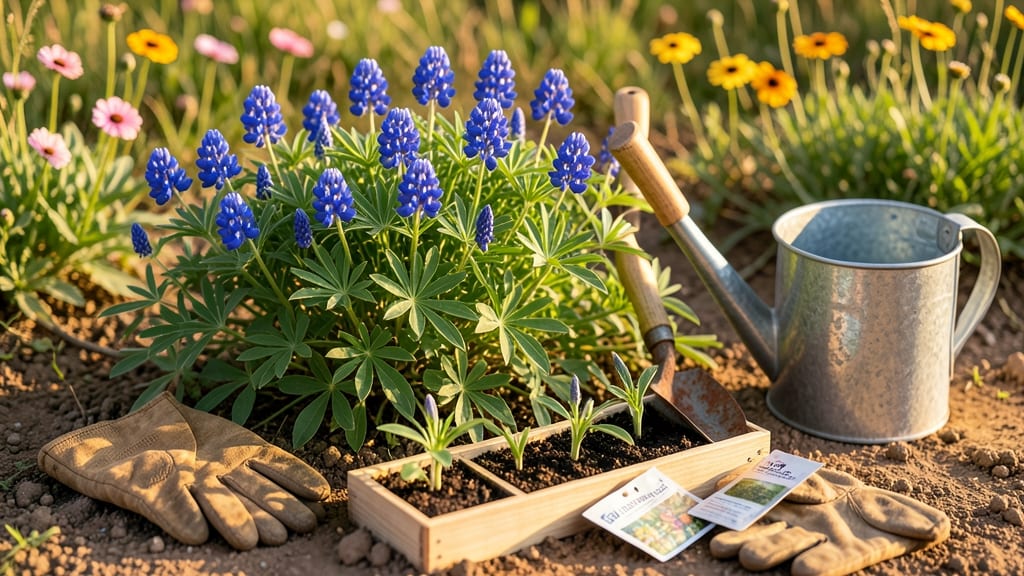
Planting a garden in Central Texas after the last frost date—around mid-March—sets you up for a high-success season before summer heat hits.
Central Texas gardeners face a unique challenge: brutal summer heat and unpredictable frost. But with the right timing, you can grow a thriving garden—even in this tough climate—by planting heat-tolerant crops after the last frost and before the mercury soars.
This isn’t just about avoiding frost damage; it’s about aligning your planting schedule with the 215 frost-free days Central Texas offers. Whether you’re growing vegetables, flowers, or herbs, knowing the best months to plant means fewer setbacks and more harvests.
In this guide, I’ll break down the ideal planting windows, share top heat-tolerant crops for your zone, and show you how to extend your growing season—so you can enjoy fresh produce from spring through fall.
🌱
When to Plant General Garden Plants Garden Plants
Jan
❄️
Feb
🌱
Mar
🌱
Apr
🌱
May
🌱
Jun
☀️
Jul
☀️
Aug
☀️
Sep
🌱
Oct
🌱
Nov
🌱
Dec
❄️
Central Texas frost dates & best planting windows by month
Central Texas gardeners know timing is everything—especially when frost dates can shift unpredictably. Austin, Waco, and San Antonio all share similar USDA Zone 8a-8b climates, but microclimates (like urban heat islands or low-lying areas) can delay or advance frost by 1-2 weeks.
I’ve gardened here for years, and I’ve learned the hard way that planting too early risks late-spring freezes, while waiting too long means missing the fall harvest window.
On average, Central Texas sees its last frost around March 15 and first frost around November 15. However, high-risk zones—like the Hill Country or Edwards Plateau—can experience frost as late as April 1 or as early as October 30.
For heat-loving crops like okra or sweet potatoes, this means you’ve got just 215 frost-free days to work with.
Here’s the key: Cool-season crops (leafy greens, broccoli, peas) thrive when planted 6-8 weeks before the last frost, while heat-tolerant varieties (tomatoes, peppers, melons) need to wait until after April 15 to avoid stress. Let’s break it down month by month to maximize your harvest.
| Month |
Cool-Season Crops (Plant) |
Heat-Tolerant Crops (Plant) |
Frost Risk |
Notes |
| February |
Onions, peas, spinach |
None (too cold) |
Moderate (30% chance) |
Start seeds indoors for March transplant. |
| March |
Broccoli, cabbage, lettuce |
Tomatoes, peppers (after March 15) |
Low (10% chance) |
Wait until after March 15 for heat crops. |
| April |
Radishes, kale (early) |
Okra, sweet potatoes, melons |
Very Low (5%) |
Best month for summer crops. |
| May |
None (too hot) |
All summer crops |
None |
Focus on succession planting. |
| June-July |
None |
Pumpkins, corn, black-eyed peas |
None |
Water deeply 2-3x/week. |
| August |
None |
Late okra, malabar spinach |
None |
Prepare for fall planting. |
| September |
Carrots, beets, lettuce |
None (too late) |
Low (15%) |
Top 10 heat-tolerant vegetables for Central Texas gardens
Central Texas summers can push temperatures past 90°F+ for months, but that doesn't mean your garden has to suffer. These 10 heat-tolerant vegetables thrive in the sweltering conditions and even improve in flavor when grown under direct sun.
The key is planting them after your last frost date (typically mid-March) and pairing them with the right companions to maximize yields.
Unlike cool-season crops, these plants love the heat and can handle drought-like conditions once established. Many also produce continuously throughout the summer, giving you a steady harvest. Let's dive into the top performers and how to grow them successfully in your Central Texas garden.
🌡️ Top 10 Heat-Tolerant Vegetables
- Okra - Plant 1/2 inch deep, 18-24 inches apart. Thrives with basil and peppers. Harvest pods at 3-4 inches for best texture.
- Sweet Potatoes - Slips planted 4-6 inches deep, 12-18 inches apart. Pair with beans and corn. Harvest when vines yellow.
- Malabar Spinach - Sow 1/4 inch deep, 12 inches apart. Grows well with tomatoes and peppers. Harvest leaves as needed.
- Black-Eyed Peas - Plant 1 inch deep, 4-6 inches apart. Companions: okra and sweet potatoes. Harvest when pods are plump.
- Eggplant - Sow 1/2 inch deep, 18-24 inches apart. Thrives with basil and marigolds. Harvest when glossy and firm.
- Peppers (Jalapeño, Cayenne) - Plant 1/4 inch deep, 12-18 inches apart. Companions: tomatoes and onions. Harvest when fully colored.
- Tomatoes (Heat-Tolerant Varieties) - Sow 1/2 inch deep, 24-36 inches apart. Pair with basil and carrots. Prune suckers in summer.
- Cowpeas - Plant 1 inch deep, 4-6 inches apart. Companions: corn and squash. Harvest when pods are tender.
- Sorghum - Sow 1 inch deep, 12 inches apart. Thrives with beans and melons. Harvest when mature heads form.
- Amaranth - Plant 1/2 inch deep, 12 inches apart. Companions: peppers and okra. Harvest leaves or seed heads.
Each of these vegetables has unique spacing and depth requirements, but they all share one trait: they hate soggy soil. Central Texas' intense heat means mulching is non-negotiable—use straw or wood chips to retain moisture and regulate soil temperature.
Most also benefit from drip irrigation to deliver water directly to roots without wetting foliage, which can lead to fungal issues.
For maximum yield, pair these crops with their ideal companions. For example, okra and sweet potatoes both love black-eyed peas as a living mulch, while eggplant and peppers thrive when planted near marigolds to repel pests.
Rotate your crops annually to prevent soil-borne diseases from becoming a problem in your heat-loving garden.
Don't forget to harvest regularly—this encourages more production. Most of these vegetables will continue yielding until the first frost, which in Central Texas typically arrives in mid-November.
By planning your garden around these heat-tolerant stars, you'll enjoy fresh, homegrown produce even when your neighbors are wilting in the heat.
Start your seeds indoors 4-6 weeks before your last frost date or purchase transplants from local nurseries once temperatures stabilize. With the right timing and care, your Central Texas garden can be a summer oasis of flavor and productivity. 🌿
★★★★★4.9(4 reviews)