
Planting
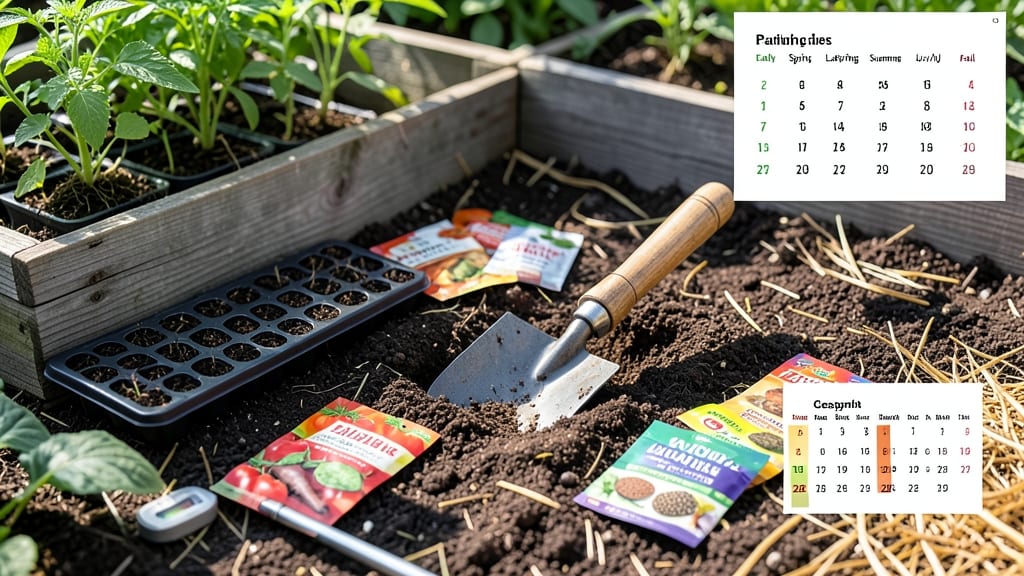
Planting a garden in Georgia at the right time means the difference between lush harvests and lost seeds — and the best windows open as early as late February for cool-season crops.
Georgia’s warm climate and long growing season make it a gardener’s paradise, but planting at the wrong time can mean wasted effort or failed crops. Whether you’re sowing 🌱 spring greens or summer squash, timing matters more than you might think.
From USDA zones 7a to 8b, frost dates shift by region, and some crops thrive in spring while others wait for summer heat. I’ll break down the exact months to plant by zone, crop type, and even microclimates like Atlanta’s urban heat islands.
By the end, you’ll know when to start seeds indoors, when to transplant outdoors, and how to stretch your growing season with simple tricks — no guesswork, just bountiful results.
Georgia planting timeline by USDA Zone: frost dates & seasonal breakdown
Georgia spans USDA zones 7a-8b, giving gardeners a 210-270 frost-free day window. Understanding your last spring frost and first fall frost dates is key to timing plantings for cool-season crops (like lettuce) and warm-season crops (like tomatoes).
These dates vary by 1-2 weeks across the state, so knowing your zone ensures success.
For example, North Georgia (7a) typically sees its last spring frost around March 15-30, while South Georgia (8b) may experience frost-free conditions by February 28-March 15.
Similarly, fall frosts arrive 2-3 weeks earlier in the north than the south, impacting when to plant fall crops like broccoli or kale.
The summary-table below breaks down planting windows by zone, including cool-season and warm-season crops. Use this as your guide to align plantings with Georgia’s natural growing rhythms and avoid late-season freezes or heat stress.
To find your exact last frost date, check the National Weather Service or use the Georgia Climate Project tools. For cool-season crops, plant 4-6 weeks before the last frost—this gives seedlings time to establish before warm temperatures arrive.
For warm-season crops, wait until soil temperatures reach 60°F+ and the risk of frost is gone.
In Zone 7a, for example, you can start spinach or peas as early as February in a cold frame, but tomatoes and peppers shouldn’t go in until after April 15.
Meanwhile, Zone 8b gardeners can plant warm-season crops like okra or sweet potatoes as early as March 1 and enjoy a longer harvest window into November.
Fall planting follows a similar logic: cool-season crops like broccoli or carrots should be sown 8-10 weeks before your first frost. In Zone 7a, that means late July to early August, while Zone 8b can extend this to late August.
Use row covers to protect young plants if early frosts threaten.
Pro tip: Succession planting maximizes your growing season. In Zone 7b, for instance, sow bush beans every 2 weeks from April to July for a continuous harvest. Similarly, lettuce can be planted in fall and winter for year-round greens in Zone 8a.
Don’t forget to adjust for microclimates. Urban areas like Atlanta can be 5-10°F warmer than rural zones, delaying frost dates. Conversely, mountainous regions may experience frost 2 weeks later in spring. Use a home weather station to track local conditions and refine your planting schedule.
By aligning your planting timeline with Georgia’s frost dates and crop needs, you’ll avoid common pitfalls like bolting lettuce or blossom-end rot in tomatoes. Start with these zone-specific guidelines, then fine-tune based on your local observations.
Ready to dive deeper? Next, we’ll cover the best planting months for Georgia’s top 10 crops, including tomatoes, peppers, and greens, with month-by-month breakdowns tailored to your
Best planting months for Georgia’s top 10 crops (cool vs. warm season)
Georgia’s diverse climate lets you grow everything from cool-season greens to heat-loving tomatoes, but timing is everything. Cool-season crops thrive in milder temperatures, while warm-season varieties need soil warmth to germinate. I’ve broken down the best months for Georgia’s top crops, including succession planting tips to maximize your harvest.
For North Georgia (USDA zones 7a-7b), aim for late March to early April for spring planting and late August to early September for fall. South Georgia (zones 8a-8b) gardeners can start earlier—mid-February to March—and extend fall planting until mid-September.
Always check your local last frost date (typically mid-March in North Georgia and early February in South Georgia).
- 1. Cool-Season Crops (Leafy Greens, Peas, Lettuce): Plant February–March (spring) or August–September (fall). Succession plant every 2–3 weeks for continuous harvests.
- 2. Warm-Season Crops (Tomatoes, Peppers, Okra): Start seeds indoors in March or transplant April–May. Extend season with row covers for cooler nights.
- 3. Root Vegetables (Carrots, Radishes, Beets): Sow March–April or August–September. Loosen soil to prevent forking in clay-heavy Georgia soil.
- 4. Southern Staples (Sweet Potatoes, Collards, Okra): Plant April–June for summer heat. Okra thrives in 90°F+ temps, while collards love cool fall nights.
- 5. Herbs (Basil, Cilantro, Dill): Sow March–April (spring) or August–September (fall). Basil bolts in heat—plant in partial shade in summer.
Don’t overlook succession planting—it’s the secret to a non-stop harvest. For example, sow lettuce every 2 weeks from March to May to avoid bolting (going to seed). Similarly, radishes mature in 30 days, so plant them every 2 weeks alongside slower-growing carrots.
For warm-season crops like tomatoes and peppers, harden off seedlings for 7–10 days before transplanting in April–May. Use black plastic mulch to warm soil faster in North Georgia’s cooler springs.
In South Georgia, you can plant tomatoes as early as March if you use row covers for frost protection.
Fall planting is just as critical—broccoli, cabbage, and kale love cool nights after summer’s heat. Start seeds indoors in July or transplant August–September. Collards and mustard greens can even handle light frosts, making them perfect for October–November harvests.
Pro tip: Use Georgia’s 100-day rule for warm-season crops. If your first frost is November 15, plant varieties that mature in 90 days or less to avoid winter chill. For example, ‘Celebrity’ tomatoes (70 days) are safer than ‘Brandywine’ (90+ days) in North Georgia.