
Planting
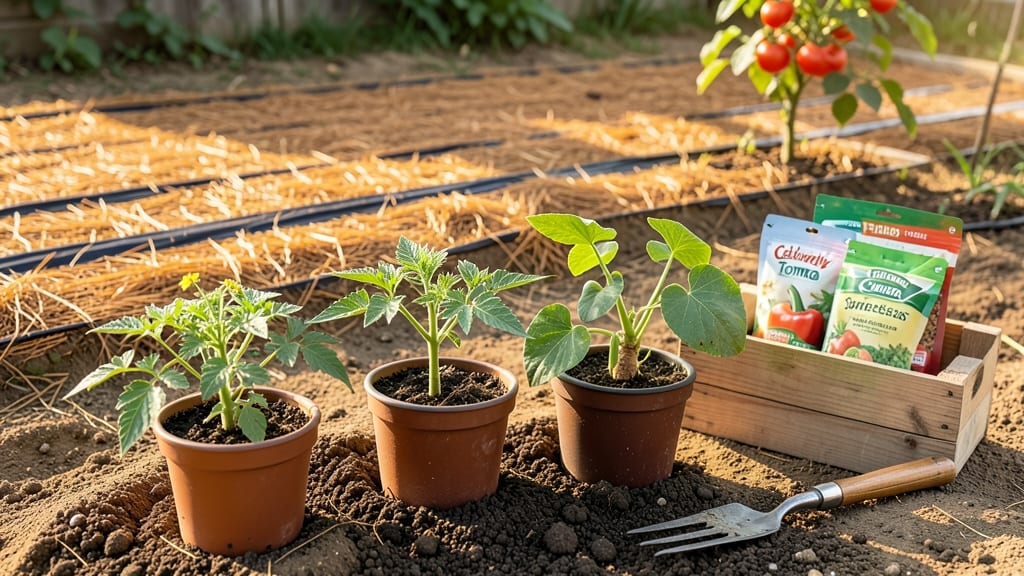
Planting a garden in Florida at the right time means the difference between a thriving harvest and a sad, wilted mess—especially when hurricanes and humidity can turn your hard work into a disaster.
Florida’s warm climate might make gardening seem effortless, but timing is everything. Skip the early spring rush, and you’ll battle pests before the soil warms. Plant too late in summer, and your greens bolt in the heat. The key? A zone-specific schedule that syncs with Florida’s unpredictable weather.
In this guide, I’ll break down the three best planting windows—early spring, late summer, and fall—plus the exact months for your region.
Whether you’re in the Panhandle or the Keys, you’ll learn which crops to start now, which to hold off on, and how to prep your soil for maximum success.
Ready to grow a garden that actually thrives? Let’s dive into the calendar that keeps Florida’s heat, humidity, and hurricanes from ruining your harvest.
Florida planting zones explained: when to plant by region (north vs. central vs. south)
Florida’s 11 USDA planting zones (8A through 10B) create unique microclimates that dramatically impact when you should plant your garden. Unlike northern states, Florida’s frost-free growing season spans nearly year-round, but timing still matters to avoid heat stress, hurricane season disruptions, and pest outbreaks.
The key is understanding your zone’s optimal planting windows—typically early spring, late summer, and fall—while avoiding the peak summer heat.
In North Florida (Zones 8A-8B), like Jacksonville and Gainesville, you’ll experience cooler winters with occasional light frosts (28-32°F), while South Florida (Zones 10A-10B), including Miami and Naples, enjoys tropical warmth year-round.
Central Florida (Zones 9A-9B) falls in between, with mild winters and intense summer humidity. Each region has distinct planting deadlines to maximize yields and avoid seasonal pests like whiteflies or fungal diseases.
🌱 Florida Planting Zones: Optimal Planting Windows by Region
| Zone | Region | Early Spring (Feb-Mar) | Late Summer (Aug-Sep) | Fall (Oct-Nov) | Avoid |
|---|---|---|---|---|---|
| 8A-8B | North (Jacksonville, Tallahassee) | Leafy greens, broccoli, peas | Okra, sweet potatoes, tomatoes | Carrots, cabbage, herbs | May-July (peak heat) |
| 9A-9B | Central (Orlando, Tampa) | Peppers, eggplant, basil | Pumpkins, beans, cucumbers | Spinach, lettuce, radishes | June-August (hurricane risk) |
| 10A-10B | South (Miami, Naples) | Year-round tomatoes, peppers | Sweet corn, melons, okra | Winter squash, kale | None (plant anytime) |
*Note: Adjust for local microclimates (e.g., coastal areas stay warmer longer).
For North Florida gardeners (Zones 8A-8B), the early spring window (February-March) is ideal for cool-season crops like lettuce and broccoli, while late summer (August-September) works for heat-loving plants such as okra and sweet potatoes.
The fall season (October-November) brings cooler temps, perfect for herbs and root vegetables. Avoid planting in May-July when temperatures often exceed 90°F, stressing even heat-tolerant varieties.
Central Florida’s Zones 9A-9B (Orlando, Tampa) offer a longer growing season, but timing still matters. Start warm-season crops (peppers, eggplant) in February-March to beat the summer heat, while late summer (August-September) is prime for pumpkins and beans. Fall planting (October-November) allows for cool-season greens before winter sets in.
Skip June-August if possible—this is hurricane season and temps can spike to 95°F+, stunting growth.
In South Florida (Zones 10A-10B), the tropical climate means you can plant almost year-round, but strategic timing still boosts success. February-March is perfect for tomatoes and peppers, while August-September works for sweet corn and melons.
Even in winter, winter squash and kale thrive in October-November. The only true "off-season" is during peak hurricane season (June-November), when heavy rains and wind can damage young plants.
Regardless of your zone, always check soil temperatures—most vegetable seeds need 60-70°F soil to germinate, while warm-season crops like tomatoes prefer 70-85°F. Use a soil thermometer to avoid planting too early when soil stays too cold or too late when heat stress sets in. Mulching
Best vegetables and flowers to plant in Florida by season (with exact months)
Florida’s three distinct seasons—warm winters, scorching summers, and humid falls—create perfect conditions for year-round gardening, but timing is everything. Planting tomatoes in July or broccoli in September might seem counterintuitive, but these strategies align with Florida’s climate to avoid heat stress or pest outbreaks.
Let’s break down the best crops for each season, with exact months to maximize your harvest.
For summer planting, focus on heat-tolerant varieties like okra, sweet potatoes, and malabar spinach, which thrive when temperatures soar. Meanwhile, fall and winter are ideal for cool-season crops such as kale, carrots, and snap peas, which flourish in milder weather.
Even spring has its nuances—early spring is perfect for leafy greens, while late spring sets the stage for tomatoes and peppers.
🌱 Numbered Highlights: Florida Seasonal Planting Calendar
- 🌿 Early Spring (Feb–March): Plant broccoli, cabbage, lettuce, and peas—these thrive in 60–75°F soil and avoid summer heat.
- ☀️ Late Spring (April–May): Time for tomatoes, peppers, and squash—wait until nighttime temps stay above 55°F to prevent blossom drop.
- 🌞 Summer (June–July): Sow okra, sweet corn, and southern peas—these love 90°F+ heat and dry spells.
- 🍂 Fall (Aug–Sept): Start cabbage, collards, and turnips—they need 60–70°F soil and benefit from hurricane-free windows.
- ❄️ Winter (Oct–Nov): Plant kale, carrots, and radishes—these handle cool nights and even light frosts.
Don’t overlook flowers—they’re just as seasonal! Marigolds and zinnias bloom beautifully in summer’s heat, while pansies and snapdragons shine in fall and winter. Even citrus trees benefit from strategic planting: young trees planted in early spring establish roots before summer’s intensity.
Pro tip: Use mulch to regulate soil temperature and retain moisture, especially during Florida’s dry spells. For container gardening, opt for fast-maturing varieties like bush beans or cherry tomatoes to avoid summer’s extreme heat.
Remember, hurricane season (June–Nov) can disrupt planting—schedule transplants and sowing during calm periods to avoid uprooting. With this timeline, you’ll enjoy a continuous harvest from cool-season greens in winter to summer squash and beyond.
Start small if you’re new, but don’t hesitate to experiment with unusual crops like yam beans or African eggplant, which thrive in Florida’s climate. Happy planting! 🌱