
Planting
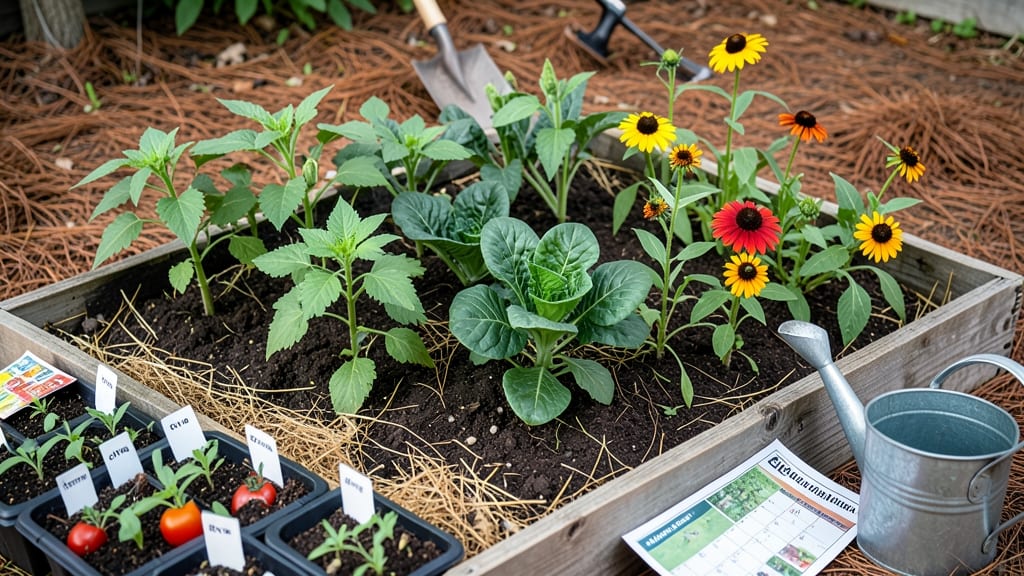
Planting your garden in Alabama at the right time means the difference between a thriving harvest and a total bust 🌱—and the window is narrower than you might think.
Alabama’s warm climate and varied growing zones mean your garden’s success hinges on planting at the perfect time—miss the window, and you risk stunted growth, pests, or wasted seeds. Whether you’re in North Alabama’s cooler 7b or South Alabama’s balmier 8b, timing is everything.
Cool-season crops like lettuce and peas need to go in 4-6 weeks before your last frost (March 15 for most of the state), while warm-season tomatoes and peppers can’t handle a chill and must wait until after April 30.
Get it wrong, and you’re either fighting frost damage or watching your plants wilt in the heat.
Below, I break down the exact planting deadlines by zone, share my top tips for extending your season, and reveal the 5 mistakes that derail even the most eager gardeners—so you can plant with confidence and avoid costly errors.
Alabama planting zones explained: when to start seeds vs. transplants
Alabama spans USDA Zones 7b to 8a, creating distinct planting windows between North and South. The last frost date shifts from March 15 in Zone 7b (North Alabama) to March 1 in Zone 8a (South Alabama).
This difference means 6-8 weeks of earlier planting in the southern half—critical for warm-season crops like tomatoes and peppers.
Cool-season crops (e.g., lettuce, broccoli) thrive when soil temps hit 40°F+. In Zone 7b, start seeds indoors by February 15 for transplanting after last frost. Zone 8a gardeners can begin direct sowing outdoors by February 1—a full month earlier.
Warm-season crops like squash and beans wait until April 15+ in Zone 7b and March 20+ in Zone 8a.
Zone-Specific Planting Calendar:
For Zone 7b gardeners, prioritize seed-starting indoors in late winter to beat the later frost. Use grow lights for 6-8 hours/day to jumpstart basil or peppers—these need 8-10 weeks of head starts.
Zone 8a’s longer growing season lets you double-crop: plant bush beans in spring, then collard greens in fall after harvest.
Soil temperature is your secret weapon. Use a soil thermometer—warm-season crops need 60°F+ soil, while cool-season crops tolerate 40-50°F. In Zone 7b, wait until April 15 to plant squash; in Zone 8a, you can start by March 20.
Black plastic mulch warms soil 5-10°F faster, extending the window for heat-lovers like eggplant.
Herbs like cilantro and parsley bolt in Alabama’s heat—plant them in fall or early spring only. Rosemary and thyme, however, thrive year-round in Zone 8a but may need winter protection in Zone 7b. For perennials, divide daylilies or irises in early spring (March) or fall (October) for best root establishment.
Watch for microclimates: A south-facing wall can add 2-3 weeks to your growing season. Use this to extend cool-season crops into late May or start warm-season crops 2 weeks earlier. Row covers add 4-6°F protection—essential for Zone
Top 5 Alabama gardening mistakes that ruin timing (and how to avoid them)
Planting your Alabama garden at the wrong time can turn your hard work into wasted effort. Even with Alabama’s long growing season, timing mistakes like ignoring frost dates or overestimating heat tolerance can ruin your harvest before it starts.
I’ve seen firsthand how a few weeks off can mean the difference between a thriving garden and a sad, stunted one.
One of the biggest mistakes I see is planting warm-season crops too early. Alabama’s last frost date varies—around March 15 in North Alabama and as late as April 1 in the South—but many gardeners rush to plant tomatoes, peppers, or squash before the soil warms enough.
These plants need consistent warmth to thrive, and cold soil can stunt their growth or even kill them.
Another critical error is not accounting for soil temperature. Just because the air feels warm doesn’t mean the soil is ready. Use a soil thermometer to check—most warm-season crops need soil temps above 60°F to germinate properly.
I’ve planted seeds in 50°F soil only to watch them rot in the ground.
⚠️ CRITICAL WARNING: Planting frost-sensitive crops before Alabama’s last frost date ⚠️ ❌ Mistake: Assuming your microclimate is warmer than the official frost date.
Even in South Alabama’s Zone 8a, late frosts can still hit in March or April. ❌ Mistake: Planting cucumbers, beans, or melons before the soil reaches 65°F+.
These plants will fail to germinate or grow slowly, leaving you with a disappointing harvest. ✅ Fix: Use row covers for early starts or wait until after May 1 for heat-loving crops. Check the Alabama Cooperative Extension’s frost maps for your exact location.
Ignoring microclimates is another silent killer of Alabama gardens. A spot near your house might be 5°F warmer than your backyard due to heat absorption from pavement or buildings.
This can trick you into planting heat-sensitive crops like lettuce too late in spring or cool-season crops like broccoli too early in fall. Always test your garden’s unique conditions by monitoring temps for at least two weeks before planting.
Here’s how to avoid these timing disasters:
- Use row covers or cold frames to extend your planting window for cool-season crops in early spring or late fall.
- Wait for soil warmth—never plant based on air temperature alone. A soil thermometer is your best friend.
- Adjust for your microclimate. If your garden sits in a sunny, sheltered spot, it may warm up faster than official frost dates suggest.
- Start seeds indoors for heat-loving crops like peppers and eggplants, then transplant after the last frost.
- Stick to Alabama’s proven planting windows: March–April for cool crops and May–June for warm crops.
One final tip: Keep a garden journal to track what works in your specific Alabama zone. Note when you plant, when you harvest, and any unexpected frosts or heatwaves. Over time, you’ll fine-tune your timing to perfection—just like the pros do! 🌱