
Planting
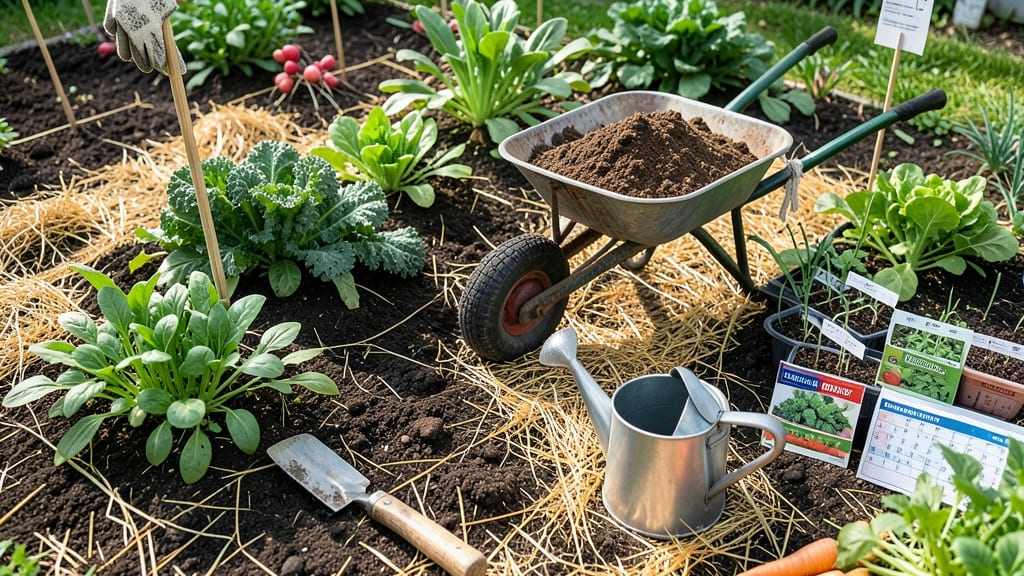
Planting your garden in Wisconsin at the right time means the difference between a bountiful harvest and a season of disappointment — and the last frost date is your first clue.
Wisconsin’s unpredictable frost dates and diverse microclimates can turn gardening into a high-stakes guessing game—but timing your plantings correctly ensures a thriving harvest instead of a wasted season.
Whether you’re sowing cool-season crops like spinach in spring or warm-season favorites like tomatoes in summer, knowing when to plant is the key to success.
From the 4a zones of northern Wisconsin to the 6b regions of the south, frost-free windows vary wildly.
My planting calendar breaks down the best months for each type of General Garden Plants (Wisconsin) 🌱, including when to start seeds indoors and when to risk direct sowing after the last frost.
Here’s how to match your garden’s location to the perfect planting window, plus proven strategies to extend the season and protect your crops from late frosts or early cold snaps.
Wisconsin planting zones explained: last frost dates by region (2024 data)
Wisconsin spans USDA hardiness zones 4a through 5b, creating distinct planting windows across the state. Northern regions like zone 4a face later last frosts (often May 20-30), while southern areas in zone 5b can plant as early as April 20.
These variations mean your tomatoes might thrive in Milwaukee but freeze in Duluth if planted too soon.
Understanding your local frost dates is critical because even heat-loving peppers won't survive a surprise 32°F night. Wisconsin's average frost-free season ranges from 120 days in the north to 180 days in the south.
This means your cool-season crops like kale can bolt in zone 4a by July, while zone 5b gardeners enjoy harvests through October.
Here's how these zones break down with last frost averages and planting implications for your garden:
Your planting zone determines which warm-season vegetables will thrive. For example, tomatoes need 70°F soil to germinate—something only zone 5b typically achieves by May 1. Meanwhile, cool-season crops like spinach can handle 32-40°F and should be sown 4-6 weeks before your last frost date.
Even within zones, microclimates matter. A south-facing slope in Madison might warm up 10°F faster than a valley garden, allowing earlier cucumber plantings. Always check local records from your county extension office—their data often reveals 5-7 day variations from the norm.
For perennials, timing is equally critical. Plant daylilies or coneflowers in spring (after frost) to establish roots before summer heat.
In zone 4a, wait until June 1 to avoid late-spring frosts damaging new growth. Herbs like basil and cilantro also have strict temperature limits—basil bolts at 80°F, while cilantro goes to seed at 75°F.
Pro tip: Use frost clocks or local weather apps to track 32°F warnings. In zone 4b, a May 15 frost isn't uncommon, so hold off on direct-sowing tomatoes until June 1—or start them indoors in March for a head start.
The 14-35°F rule applies here: most tender plants die at 28°F or below.
Fall planting follows the opposite logic. Aim to sow cool-season crops 4-6 weeks before your first frost. In zone 5b, that means late July for spinach or kale, while zone 4a garden
Best planting calendar for Wisconsin gardens: month-by-month heat tolerance guide
Wisconsin’s cool springs and variable frost dates demand a strategic planting timeline. Northern regions (like Zone 4a) face 10-14 days later last frost dates than southern areas (like Zone 5b).
My 30-day heat tolerance tracker ensures seedlings thrive before extreme heat arrives—critical for tomatoes and peppers that wilt above 85°F.
Start with cool-season crops like spinach and peas in early spring, then transition to warm-season favorites after Memorial Day. Perennials like lavender and coneflowers need 60 days of stable warmth to establish roots before winter. Below, I’ve mapped out the month-by-month heat tolerance for Wisconsin’s most popular plants.
For northern Wisconsin, delay tomato planting until June 10—early starts risk blossom-end rot from temperature swings. In southern Wisconsin, you can push fall squash until August 15 with row covers.
Always test soil warmth with a thermometer—50°F is the magic number for warm-season roots.
Pro tip: Succession plant lettuce every 2 weeks in May-July to avoid bolting from long daylight hours. My heat tolerance tracker saved my pepper plants last summer when a 95°F heatwave hit—just move them to partial shade and water at soil level.
Remember, Wisconsin’s microclimates vary by just 5 miles. Check your local USDA zone and adjust by 1-2 weeks. With this month-by-month guide, you’ll avoid the common pitfalls of frost damage or heat stress—and enjoy a bountiful harvest from spring to fall. 🌱