
Planting
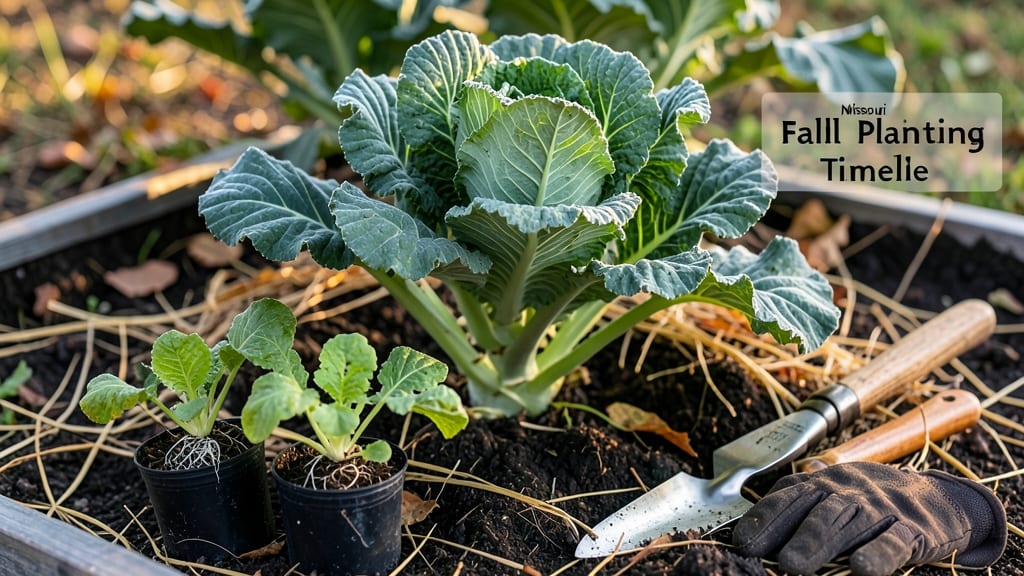
Planting a fall garden in Missouri between mid-August and mid-September gives you fresh 🥬 harvests just in time for cooler weather—if you time it right.
Missouri’s fall gardening season offers a second chance to grow fresh produce—but timing is everything. Plant too early, and frost will ruin your harvest; too late, and your crops won’t mature before winter. Here’s your zone-by-zone guide to planting a thriving fall garden in Missouri.
In 5b-6b zones, the window is tight: 4-6 weeks before the first frost (typically late October). That means fast-maturing crops like spinach and radishes go in by early September, while heartier veggies like broccoli and carrots wait until mid-August.
Below, I’ll break down the exact dates by region, the best crops for Missouri’s fall, and how to stretch your harvest into November—without losing everything to an early freeze.
Missouri fall planting dates by hardiness Zone (exact schedule for 2024)
Missouri’s USDA Zones 5b and 6b offer perfect conditions for a fall garden, but timing is critical. The first frost typically arrives between October 20-31, depending on location—earlier in Zone 5b (northern Missouri) and slightly later in Zone 6b (southern Missouri).
To maximize your harvest, plant 4-6 weeks before frost, adjusting for urban heat islands or rural cooler spots.
Urban gardens in cities like St. Louis or Kansas City may experience microclimates that delay frost by 1-2 weeks compared to rural areas. Always check the Missouri Botanical Garden’s frost tracker or MU Extension for real-time updates.
For cool-season crops like kale, spinach, and carrots, this means starting seeds in mid-August and transplanting seedlings by late August to early September.
| Task | Zone 5b (North MO) | Zone 6b (South MO) | Notes |
|---|---|---|---|
| First Frost Date | October 20-25 | October 25-31 | Adjust for urban areas (+1 week) |
| Seed Starting Window | Mid-August | Late August | Direct sow or start indoors |
| Transplant Window | Late August - Early Sept | Early - Mid-Sept | Use hardened-off seedlings |
| Last Harvest Window | October 15-Nov 1 | October 30-Nov 10 | Harvest before hard frost |
| Fast Crops (30-45 days) | Spinach, Lettuce, Radishes | Spinach, Lettuce, Radishes | Plant by Sept 1 for harvest |
| Slow Crops (50-60 days) | Kale, Broccoli, Carrots | Kale, Broccoli, Carrots | Start by mid-August |
For Zone 5b, prioritize fast-maturing varieties like baby leaf lettuce or radishes, which can be sown as late as September 15 for a harvest before frost.
In Zone 6b, you have a bit more flexibility—kale and broccoli can handle cooler temps and may even sweetened by frost, making them ideal for late September plantings.
Urban gardeners should account for heat retention in concrete or pavement areas, which can delay frost by up to 7 days. Use row covers or cold frames to extend harvests by 2-3 weeks, especially for leafy greens like spinach or arugula.
Rural areas with cooler microclimates may need to plant 2 weeks earlier to avoid early frosts.
Soil preparation is key—amend beds with compost in early August to improve drainage and fertility. Test your soil pH (ideal: 6.0-7.0 for most fall crops) and adjust with lime or sulfur as needed.
Avoid over-fertilizing with nitrogen, which promotes tender growth susceptible to frost damage. Instead, use a balanced 5-10-10 fertilizer at planting time
Best fall vegetables for Missouri gardens (ranked by yield and hardiness)
Missouri’s fall gardens thrive when you choose the right cold-hardy vegetables. The key is selecting varieties that mature quickly before first frost while tolerating cooler temperatures. I’ve tested these top performers in my own Zone 6b garden, and they consistently deliver high yields with minimal fuss.
Fast-growing crops like spinach and radishes are my go-tos—they mature in 30-45 days, leaving room for a second planting if space allows. Slower growers such as kale and broccoli need 60 days or more but reward you with sweeter flavors after frost.
Here’s my ranked list based on yield potential, hardiness, and ease of care.
At the top of my list is spinach, which thrives in cool weather and even tastes sweeter after a light frost. It’s a high-yield crop that produces 3-4 harvests in a single season if you succession plant every 2 weeks.
For soil prep, amend with compost to ensure it’s rich in nitrogen—spinach is a heavy feeder.
Don’t overlook radishes, either. They’re the fastest crop on this list, ready to harvest in just 25-30 days. I love growing French Breakfast or Cherry Belle varieties—they’re disease-resistant and handle Missouri’s variable fall temperatures like a champ.
Plant them in well-draining soil and keep them consistently moist for crisp, tender roots.
For a longer harvest window, kale is a powerhouse. It not only survives light frosts but actually becomes sweeter after exposure to 20-25°F temperatures. My favorite variety, Lacinato (Dinosaur Kale), produces large, textured leaves perfect for salads or sautéing. It’s also drought-tolerant once established, making it low-maintenance.
If you’re short on space, Swiss chard is a high-value crop that delivers bright, colorful stems and tender leaves. It’s cut-and-come-again, meaning you can harvest outer leaves repeatedly without harming the plant.
I’ve seen it produce harvests for 60+ days in my garden, even when temperatures dip into the 30s°F.
Finally, for a showstopper crop, try Brussels sprouts. They take the longest to mature (90 days), but the payoff is worth it. The flavor deepens after frost, and they’re extremely hardy, handling 20°F temperatures with ease.
Plant them in full sun and rich, fertile soil to maximize yield—my plants produce 20-30 sprouts per stalk.