
Planting
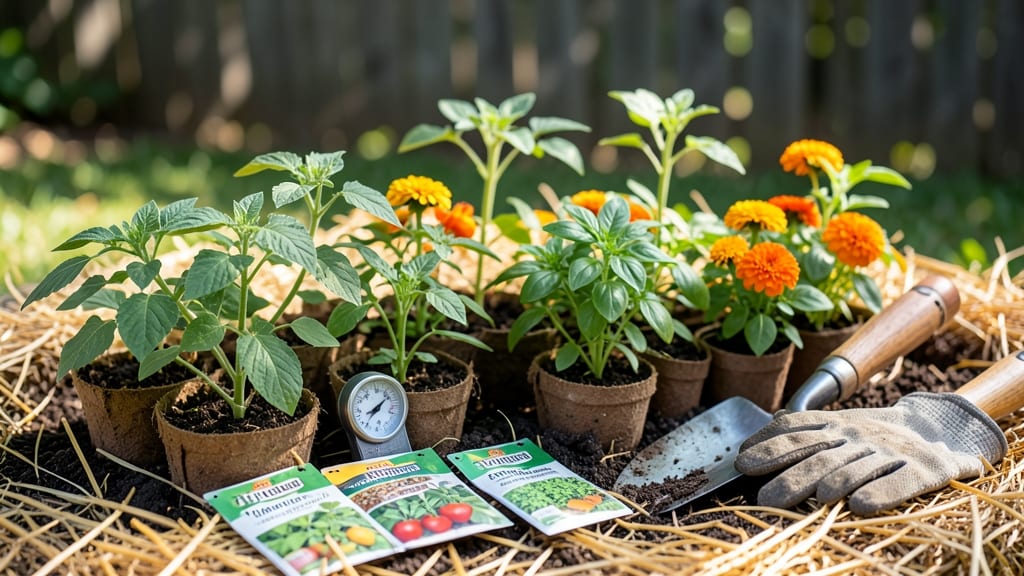
To plant a garden in Missouri at the right time means catching the sweet spot between frost and summer heat—because getting it wrong can leave you with wilted seedlings or crops that bolt before you even taste them.
Missouri’s unpredictable spring weather can turn a gardener’s dreams into a gamble—unless you know the exact planting deadlines for your specific zone. Timing is everything for a thriving garden, and missing these windows could mean stunted growth or lost crops.
Most Missouri gardeners in zones 5b-6a should start cool-season crops like lettuce and spinach by mid-March, while warm-season favorites like tomatoes and peppers wait until mid-May after the last frost. But here’s the catch: even that isn’t set in stone.
Below, I’ll break down the fastest-growing planting schedule for your zone, plus how to adjust for late frosts, humidity spikes, and other Missouri quirks that can shift your deadlines by weeks.
Missouri planting zones: exact dates for cool-season vs. warm-season crops
Missouri spans USDA zones 5b through 7a, meaning your last spring frost can arrive anywhere from March 20 in southern zones to April 20 in northern areas.
These dates separate success from failure for your garden—plant too early, and frost will kill seedlings; too late, and your warm-season crops won't mature before fall. Missouri State University Extension confirms these zone-specific deadlines are critical for maximizing yield.
For cool-season crops like lettuce, spinach, and peas, start seeds 4-6 weeks before your last frost date. In zone 5b (northern MO), that means mid-March indoors or early April outdoors.
In zone 7a (southern MO), you can plant directly into the garden as early as late February. These crops thrive in 50-70°F soil temps and can often survive light frosts.
Warm-season crops—tomatoes, peppers, and cucumbers—demand soil temperatures above 60°F and 2-3 weeks after your last frost to avoid stunted growth.
In zone 5b, wait until May 1; in zone 7a, you can plant as early as April 15. Transplant shock is a real risk if you rush these heat-lovers into cold soil.
| Zone | Last Frost Date | Cool-Season Start | Warm-Season Start | Key Crops |
|---|---|---|---|---|
| 5b (North) | April 20 | Mid-March (indoors) / Early April (outdoors) | May 1 | Lettuce, Spinach, Peas, Broccoli |
| 6a (Central) | April 10 | Late February (outdoors) / March 15 (indoors) | April 20 | Kale, Carrots, Radishes, Onions |
| 7a (South) | March 20 | Late January (outdoors) / February 15 (indoors) | April 15 | Tomatoes, Peppers, Cucumbers, Basil |
*Data sourced from Missouri State University Extension (2023)
Missouri’s fall planting window mirrors spring but runs from late July to late August. For a second harvest of cool-season crops, aim to plant 60 days before your first frost (typically October 15).
In zone 5b, this means mid-August for spinach or early September for kale. Southern zones can extend this until September 15.
Pro tip: Use row covers to push your spring planting 2-3 weeks earlier or fall harvest 2 weeks later. These lightweight fabrics protect seedlings from late frosts while allowing sunlight and water through.
For example, I’ve successfully grown bush beans in zone 6a by planting them April 1 with row covers—something I’d never risk without protection.
Don’t overlook soil temperature—it’s just as critical as air temperature. Use a soil thermometer to confirm 60°F for warm-season crops and 50°F for cool-season crops.
In Missouri’s clay-heavy soils, this can mean waiting a full week longer than the calendar suggests. Patience here prevents seedling rot or poor germination.
For container gardening, adjust these timelines by 1-2 weeks earlier—containers warm up faster in spring and cool down quicker in fall.
My herb pots on the patio hit 60°F soil temperature 7 days before my in-ground beds, letting me plant basil and peppers April 10 in zone 6a when in-ground planting wasn’t safe.
Missouri’s microclimates can shift planting windows by 10 days or more. Urban areas like St. Louis (zone 6b) often experience earlier last frosts than rural areas due to the urban heat island effect.
Conversely, higher elevations (like the Ozarks) may have later frosts. Always check your local weather station data for 3-5 years to spot trends.
Plan for succession planting to maximize your garden’s productivity. In Missouri, this means sowing lettuce every 2 weeks from March to September or planting bush beans every 3 weeks from May to July. This strategy ensures a continuous harvest and prevents bolting (when plants flower prematurely) during heatwaves.
Missouri’s spring frost dates can swing wildly from year to year, leaving gardeners scrambling to adjust their planting schedules. What feels like a safe window one year might bring a late frost the next, risking your seedlings or young plants. The key to success lies in flexibility—knowing how to extend seasons and protect vulnerable plants. I’ve learned that even a 1-2 week delay in frost dates can shift your planting timeline dramatically. For example, cool-season crops like spinach or lettuce planted too late may bolt before you harvest, while warm-season crops like tomatoes or peppers need consistent warmth to thrive. Adjusting for these shifts means the difference between a bountiful harvest and wasted effort. Here’s the critical insight: microclimates in Missouri can vary by as much as 2-3 weeks within the same county. Urban areas, for instance, often warm up faster than rural spots due to heat absorption from buildings and pavement. Meanwhile, higher elevations or shaded gardens may stay cooler longer, delaying your planting window. ⚠️ callout-warning ⚠️
How to adjust planting times for Missouri’s unpredictable weather patterns
Pro Tip: Use a frost clock or local weather alerts to track real-time updates.
To safeguard your garden, I recommend using row covers or hoop houses for early plantings. These simple tools can shield seedlings from unexpected frosts while still allowing sunlight and air circulation.
For example, a floating row cover can protect broccoli or cabbage planted in early March, giving you a head start on the season.
Another game-changer is succession planting. Instead of planting all your beans or lettuce at once, stagger your plantings every 2 weeks. This ensures a continuous harvest and reduces the risk of losing an entire crop to a late frost.
For instance, if your first planting of radishes gets hit by frost, your second batch (planted 2 weeks later) might still thrive.
Don’t overlook the power of cold frames or mini greenhouses for extending your fall harvest. These structures can keep kale or carrots growing well into November or December, especially in Missouri’s milder southern regions.
Even a simple clear plastic cloche over individual plants can make a difference in cooler microclimates.
Finally, keep a planting journal to track your local frost dates and adjustments. Note which strategies worked best—like when you used row covers or how late you safely planted tomatoes.
Over time, you’ll build a customized planting calendar tailored to your specific Missouri microclimate. That’s the secret to beating unpredictable weather and growing a garden that thrives year after year!