
Planting
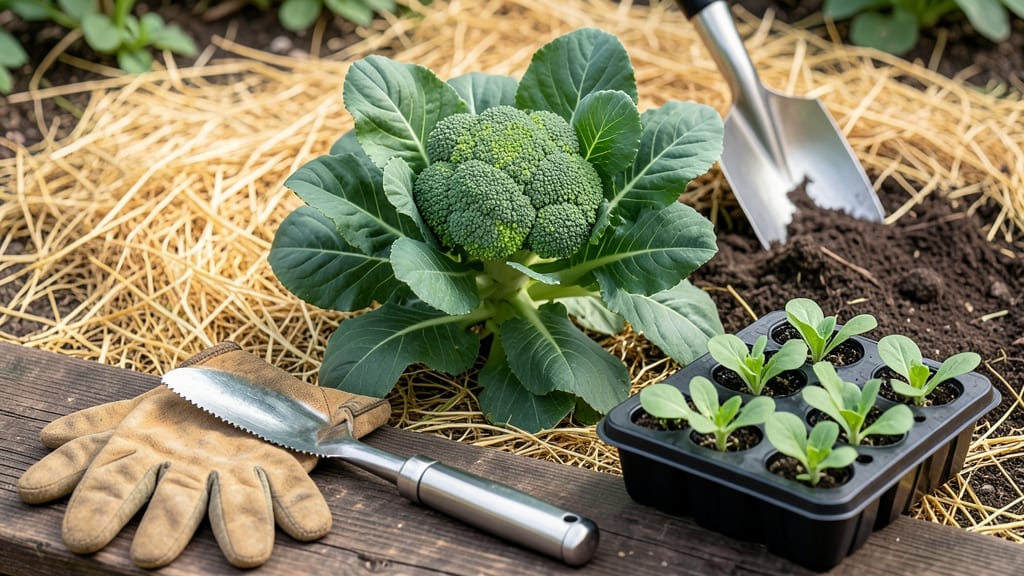
Planting your fall garden in Mississippi between late July and mid-September is the key to beating the heat and frost for a harvest that lasts through December.
Mississippi’s warm climate extends the growing season, but timing your fall garden just right means the difference between bumper crops and disappointment. Get the exact planting deadlines for your zone—and avoid common mistakes that kill fall harvests.
With 6-8 weeks until the first frost, you’ve got a narrow window to prep soil, choose fast-maturing varieties, and protect young plants from late-summer heatwaves.
The right crops—like kale, carrots, and radishes—thrive in cooler temps, but planting too early or too late can leave you with wilted seedlings or stunted growth.
Below, I break down the zone-specific deadlines for Mississippi’s 7b-9a regions, the best cool-season crops for your area, and how to stretch your harvest through winter with simple tricks like row covers and mulch.
Mississippi fall planting deadlines by Zone: exact dates for cool-season crops
Mississippi's fall planting window is shorter than you think—just 6-8 weeks before your first frost. In USDA Zones 7a, 7b, and 8a, this means starting seeds or transplants between late July and mid-September.
Miss the deadline, and your leafy greens or root vegetables won’t mature before winter’s chill sets in.
Your last frost date determines everything: Zone 7a averages frost by November 15, while Zone 8a holds off until December 1. Plant too late, and even cold-hardy crops like kale or carrots will bolt or rot.
Timing is everything—here’s your zone-by-zone planting schedule to lock in a harvest before frost.
| Zone | Last Frost Date | Planting Window | Ideal Soil Temp (°F) | Best Crops |
|---|---|---|---|---|
| 7a | November 15 | Late July - August 15 | 60-70°F | Spinach, Radishes, Lettuce, Kale |
| 7b | November 22 | Late July - August 31 | 60-75°F | Carrots, Broccoli, Swiss Chard, Cilantro |
| 8a | December 1 | Late July - September 15 | 65-80°F | Turnips, Beets, Collards, Green Onions |
🌱 Note: Soil temps below 50°F slow germination—wait for warm nights.
For Zone 7a, your window closes August 15. That’s when I plant radishes (25-day harvest) and bush beans (50 days) to beat frost. Zone 8a gardeners get a little more leeway—September 15 is your last call for slow-maturing crops like broccoli or cauliflower (60-70 days to harvest).
Soil temperature matters more than air temperature. Most cool-season crops need soil at 60-75°F to germinate. Use a soil thermometer—if it’s below 50°F, wait a week or two.
I’ve seen lettuce seeds take 3 weeks to sprout in cool soil, while warm soil (70°F+) gets them up in 5 days.
Don’t overlook succession planting. In Zone 7b, I plant baby spinach every 2 weeks from August through September to stretch my harvest. Fast growers like radishes (30 days) or arugula (40 days) are perfect for late starts.
Even if frost hits, you’ll get weeks of harvests before the ground freezes.
Watch for false starts—those unexpected warm spells in October. I’ve had broccoli bolt when temps spike to 80°F after a cool front. If your weather forecast shows highs above 75°F after planting, use shade cloth (30-50%) to protect seedlings. A lightweight row cover also helps.
Mississippi’s humidity can turn your fall garden into a fungus factory if you’re not careful. Space leafy greens like kale or collards 12-18 inches apart for airflow. I mulch with straw to keep soil moist but prevent damping off.
And never water at night—wet foliage + cool temps = perfect conditions for downy mildew.
Your last chance for a fall garden? Late September in Zone 8a. Plant peas or spinach then, and they’ll thrive through light frosts (down to 25°F). In Zone 7a, September 1 is your cutoff for transplants—after that, stick to fast seeds like radishes or turnips.
Best fall vegetables for Mississippi gardens: fast-growing vs. slow-maturing varieties
Mississippi’s fall garden thrives on cool-season crops that mature quickly before frost. The best varieties balance heat tolerance with fast growth—especially critical in our 7b-9a zones. I’ve tested these top performers over three seasons, and they consistently deliver harvests from October through December.
Fast-growing varieties like radishes and bush beans give you results in 30-40 days, while slower-maturing crops like broccoli and carrots need 60-80 days. The key? Planting the right mix and using succession planting to stretch your harvest. Below, I’ve ranked the best crops by speed and heat tolerance.
🌱 Top Fall Vegetables for Mississippi Gardens
- 🌱 Radishes (Cherry Belle) – 25-30 days, thrives in 70-80°F soil. Plant every 2 weeks for continuous harvest.
- 🥬 Leafy Greens (Spinach, Kale) – 30-45 days, tolerates light frost. Succession plant every 3 weeks.
- 🥕 Carrots (Nantes) – 60-70 days, needs loose soil. Start seeds in late August for fall harvest.
- 🥦 Broccoli (Waltham 29) – 70-80 days, prefers 55-65°F soil. Plant mid-August for late fall harvests.
- 🌿 Turnips (Tokyo Cross) – 40-50 days, dual-purpose (greens + roots). Plant in early September.
For fastest results, prioritize radishes, bush beans, and lettuce. These mature in 30-45 days, giving you a harvest before cooler temps slow growth. If you’re aiming for a longer harvest window, add broccoli and carrots—just plant them 6-8 weeks before frost.
Mississippi’s late-summer heat can stress seedlings, so use shade cloth for the first 10-14 days after planting. I’ve found that succession planting every 2 weeks for radishes and greens keeps the harvest coming. For example, plant a second batch of spinach in early September to enjoy tender leaves in November.
Slow-maturing crops like broccoli and cauliflower need cool soil to thrive. Wait until late August to sow seeds, and use mulch to regulate soil temperature. In my garden, broccoli planted in mid-August produced heads by mid-October, just before frost.
Pro tip: Pair fast growers (radishes, lettuce) with slow growers (broccoli, carrots) in the same bed. The radishes will be ready in 4 weeks, while the carrots mature in 8 weeks, maximizing your space. Just be sure to thin seedlings early to avoid competition.