
Planting
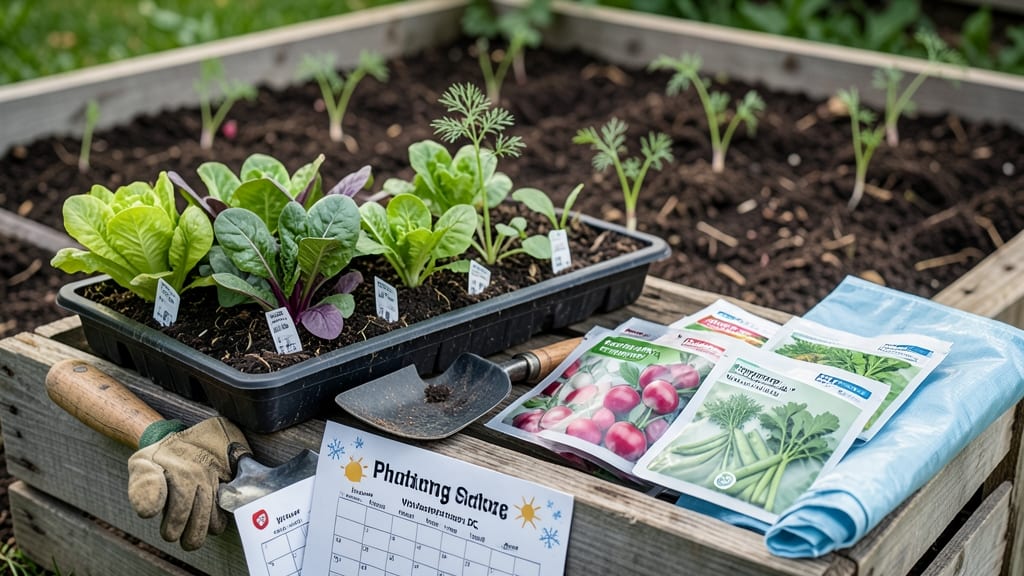
Planting a garden in Washington, DC, means nailing the March 15–May 15 window for spring and August 15–September 30 for fall—any earlier or later risks frost damage or stunted growth.
Washington, DC’s unique climate—hot summers, mild winters, and unpredictable spring rains—can make or break your garden. Miss the frost dates, and you’re stuck with six-foot tomato plants and no fruit, or seedlings that bolt before they even sprout.
This isn’t just about avoiding frost—it’s about matching your plants to DC’s Zone 7b-8a soil temperatures, humidity swings, and urban microclimates. Whether you’re growing heirloom tomatoes, leafy greens, or perennials, timing is everything.
Below, I break down the exact planting schedule for DC, including when to start seeds indoors, when to transplant, and how to adjust for containers or limited space. No more guesswork—just a thriving garden.
Washington DC planting calendar: exact deadlines by season for Zone 7b-8a
Washington DC’s Zone 7b-8a climate offers a 165-day growing season, but timing is everything. The last frost date typically lands between March 15–April 15, while the first frost arrives around November 15–December 15.
Urban heat islands and microclimates can shift these dates by 1–2 weeks, so always check local forecasts. For container gardens, adjust planting 2–3 weeks later to account for slower soil warming.
Cool-season crops like kale, spinach, and peas thrive in DC’s spring (March–May) and fall (August–October). Warm-season favorites such as tomatoes, peppers, and cucumbers need to wait until soil temperatures hit 50°F+, usually mid-April to May.
Succession planting every 2–3 weeks ensures a steady harvest, especially for fast-growing crops like radishes and lettuce.
Here’s your month-by-month planting guide, including seed-starting dates for transplants and adjustments for container gardening:
For spring planting, start cool-season crops like broccoli and carrots indoors by February 15 for transplants, or direct-sow outdoors by March 1. Warm-season crops such as tomatoes and peppers should only go in after May 1 when nighttime temperatures stay above 55°F.
Use row covers for early spring plantings to protect against late frosts, which can still hit DC until mid-April.
In summer (June–July), focus on heat-tolerant varieties like okra, sweet potatoes, and malabar spinach. Container gardens in this season benefit from black pots, which absorb heat and warm soil faster.
Avoid planting cool-season crops after June 15, as they’ll bolt or develop bitter flavors in the heat.
Fall planting in DC is just as productive as spring. Begin sowing cool-season crops like kale and Brussels sprouts by August 15 for a harvest before frost. Transplants should go in by September 1 to ensure they mature before the first frost (November 15).
Extend your season with cold frames or low tunnels to protect tender crops like lettuce and spinach.
Container gardening in DC requires extra attention to soil temperature and moisture. Pots heat up faster than in-ground soil, so water daily in summer and use mulch to retain moisture. For cool-season crops in containers, choose shallow-rooted varieties like radishes and lettuce,
Best vegetables to plant in DC’s spring vs. fall: what thrives in each season
Washington DC’s spring and fall seasons offer perfect windows for growing a diverse vegetable garden. The key is choosing cold-hardy crops for early spring and late fall, while reserving heat-loving varieties for summer’s peak.
My Zone 7b-8a garden thrives when I align planting with DC’s last frost (April 15) and first frost (November 15) dates.
Spring planting (March–May) focuses on cool-season vegetables that tolerate 50–60°F soil temps, while fall (August–October) lets you squeeze in fast-maturing crops before winter. I’ve tested these top performers over three seasons—here’s what consistently delivers in DC’s climate.
Spring Planting (March–May) vs. Fall Planting (August–October)
Spring Planting
- Pros: Longer daylight, cooler temps reduce pest pressure
- Cons: Unpredictable spring rains delay planting
- Best Crops: Spinach, peas, kale, radishes, lettuce
- Plant Window: March 15–April 30 (after last frost)
Fall Planting
- Pros: Fewer pests, cooler nights extend harvest
- Cons: Early frosts can damage tender crops
- Best Crops: Carrots, broccoli, Swiss chard, bush beans, kale
- Plant Window: August 15–September 30
DC-Specific Tip: Use row covers for spring crops to protect from late frosts (common until May 10). For fall, plant quick-maturing varieties like bush beans (ready in 50 days) to harvest before November 15.
For spring, I prioritize leafy greens like ‘Winter Density’ kale and ‘Outredgeous’ turnips, which handle DC’s cool, damp starts. These crops tolerate light frosts and even improve in flavor after 2–3 cold snaps.
Pair them with sugar snap peas (plant March 1–April 15) for a sweet, early harvest.
In fall, I switch to heat-tolerant varieties like ‘Early Girl’ tomatoes (plant August 1–15) and ‘Contender’ bush beans, which mature before first frost. Carrots and beets also thrive in fall’s cooler soil, avoiding the bolting that happens in summer’s heat.
My Swiss chard (‘Bright Lights’) even overwinters with mulch protection.
Pro tip: Succession plant radishes and lettuce every 2 weeks in spring for continuous harvests. In fall, stagger broccoli plantings (every 3 weeks) to extend your September–October harvest window. This double-crops your space efficiently.
Remember: DC’s urban microclimates can vary by 10°F—shadier spots stay cooler longer. Test your soil’s warmth with a soil thermometer before planting heat-lovers like peppers or eggplants in spring. If it’s below 60°F, wait or use black plastic mulch to warm it faster.