
Planting
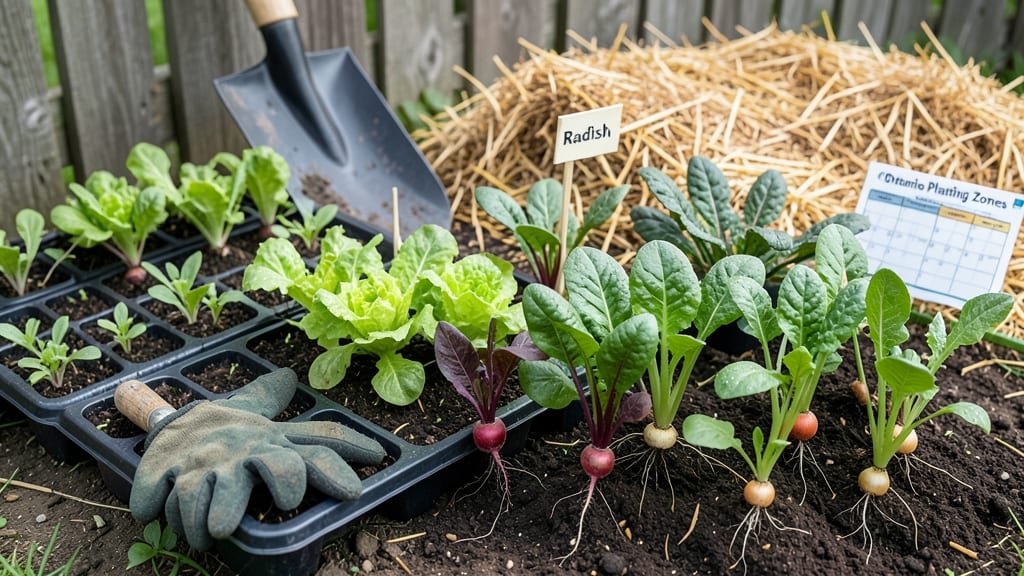
Planting a vegetable garden in Ontario at the right time means the difference between a bountiful harvest and a sad pile of frost-bitten leaves.
Ontario’s unpredictable climate can make timing your vegetable garden planting a high-stakes gamble—get it wrong, and your hard work could freeze or bolt before harvest. But with the right zone-specific heat-tolerant start dates, you can maximize yields and avoid common mistakes.
Whether you’re in Southern Ontario’s warmer Zone 6b or the cooler Northern Ontario’s Zone 4a, knowing when to plant is the key.
Cool-season crops like spinach and kale can go in as early as March or April, while heat-loving tomatoes and peppers need to wait until after the last frost, usually mid-May to June.
In this guide, I’ll break down the exact planting windows for your zone, share pro tips for adjusting to Ontario’s weather quirks, and recommend the top heat-tolerant vegetables that thrive here. No more guessing—just a garden that delivers.
Ontario planting Zones: heat-tolerant start dates by region
Ontario spans USDA Hardiness Zones 0a to 7b, meaning planting windows vary dramatically from Thunder Bay's Zone 3a to Niagara's Zone 7b. Heat-tolerant crops like tomatoes and peppers need precise timing, while spinach and kale thrive in cooler conditions.
Understanding your zone's last frost date and soil temperature thresholds is critical—plant too early, and frost will kill seedlings; too late, and your summer harvest shrinks.
Southern Ontario (Zones 5b-7b) enjoys earlier planting windows—sometimes as early as late April—while northern regions (Zones 0a-3b) must wait until mid-to-late May.
For example, Zone 6b gardeners can transplant tomato seedlings by May 15, but Zone 4a gardeners should delay until June 1 to avoid frost damage. This guide breaks down heat-tolerant start dates by zone, including deadlines for direct sowing vs. transplanting.
Use this zone-specific calendar to align your planting with Ontario's 14-21 day soil warming periods after the last frost. For instance, Zone 5a (covering cities like Ottawa) typically sees soil temperatures reach 50°F by late May, perfect for warm-season crops.
Meanwhile, Zone 3b (Sault Ste. Marie) may need to wait until early June for the same conditions. Pro tip: Test soil temperature with a thermometer—50°F+ signals readiness for tomatoes and peppers.
| Zone | Last Frost Date | Heat-Tolerant Start (Transplant) | Direct Sow Deadline | Key Crops |
|---|---|---|---|---|
| 0a-2b (Thunder Bay) | June 1-15 | June 15-30 | July 1-15 | Bush beans, Swiss chard, radishes |
| 3a-4a (North Bay, Sudbury) | May 20-June 5 | June 1-15 | June 15-July 1 | Peppers, zucchini, heat-resistant lettuce |
| 4b-5a (Ottawa, Toronto) | May 10-25 | May 15-June 1 | June 1-15 | Tomatoes, cucumbers, basil |
| 5b-6a (London, Hamilton) | May 1-15 | April 25-May 10 | April 30-June 1 | Early tomatoes, peppers, eggplant |
| 6b-7b (Niagara, Windsor) | April 15-30 | April 10-May 1 | April 15-May 15 | All heat-lovers: peppers, melons, okra |
Note: Adjust dates 1-2 weeks earlier in microclimates (e.g., south-facing slopes) or later in frost-prone areas.
For heat-sensitive crops like tomatoes and peppers, timing is everything. In Zone 5a, for example, transplant tomato seedlings between May 15-30 to ensure they mature before first frost (October 1-15). Miss this window, and you’ll harvest bolted greens or stunted fruits.
Use row covers to extend the season by 2-3 weeks in cooler zones—this lets Zone 4a gardeners plant peppers by June 1 instead of
How to adjust planting times for Ontario’s unpredictable weather
Ontario’s late spring frosts and early fall freezes can turn your gardening plans upside down. Even with the best planting charts, a surprise frost can wipe out tender seedlings overnight.
The key is building flexibility into your schedule—using soil warming, protective covers, and succession planting to stretch your growing season safely.
For example, in Zone 5 (covering Toronto and Ottawa), my tomato plants often face May frost risks. I’ve learned to start them indoors in early April and only transplant after May 15th, even if the soil feels warm earlier.
This extra caution pays off when ‘Early Girl’ tomatoes ripen reliably by mid-July instead of bolting from heat stress.
⚠️ WARNING: Late-Season Risks
Don’t Skip These Critical Checks Before Planting
❄️ Frost Dates Aren’t Set in Stone: Ontario’s last spring frost can vary by 2-3 weeks from year to year. Always check local weather forecasts (like Environment Canada’s frost maps) 2 weeks before your planned planting date.
🌡️ Soil Temperature Matters More Than Air Temp: Use a soil thermometer—most vegetables need 50°F (10°C) minimum. Cold soil delays germination and stresses young plants.
🔥 Heat-Tolerant Doesn’t Mean Frost-Proof: Varieties like ‘Black Krim’ tomatoes handle heat better, but they’ll still bolt or rot if planted too early. Pair them with row covers for safety.
One of my favorite soil warming tricks is laying down black plastic mulch 2 weeks before planting. This raises soil temps by 5-10°F and speeds up germination for peppers and eggplants, which hate cold soil.
For cool-season crops like spinach, I use straw mulch to keep roots cool during June heatwaves.
Succession planting is another game-changer. Instead of seeding everything at once, I stagger lettuce, radishes, and bush beans every 2 weeks from May to July. This ensures a steady harvest even if one batch gets hit by unexpected frost.
For example, I plant ‘Cherry Belle’ radishes in early May, then again in late June—the first crop matures before June heat causes them to become pithy.
For late-season crops like kale and carrots, I use floating row covers until mid-October. These lightweight fabrics let sunlight through while blocking light frosts (28-32°F). I’ve extended harvests by 3-4 weeks this way, even in Zone 4.
Just remember to secure covers tightly—a gust of wind can turn them into kite strings!
Before finalizing your planting schedule, run through this quick risk-assessment checklist: ☑️ Check 5-year frost averages for your area (not just last year’s data). ☑️ Test soil temperature for 3 consecutive days before planting. ☑️ Have row covers or cold frames ready for heat-sensitive crops. ☑️ Plant fast-maturing varieties (e.g., ‘Early Wonder’ peas) if your season is short. ☑️ Monitor 7-day forecasts—don’t plant if frost is predicted within 10 days.