
Planting
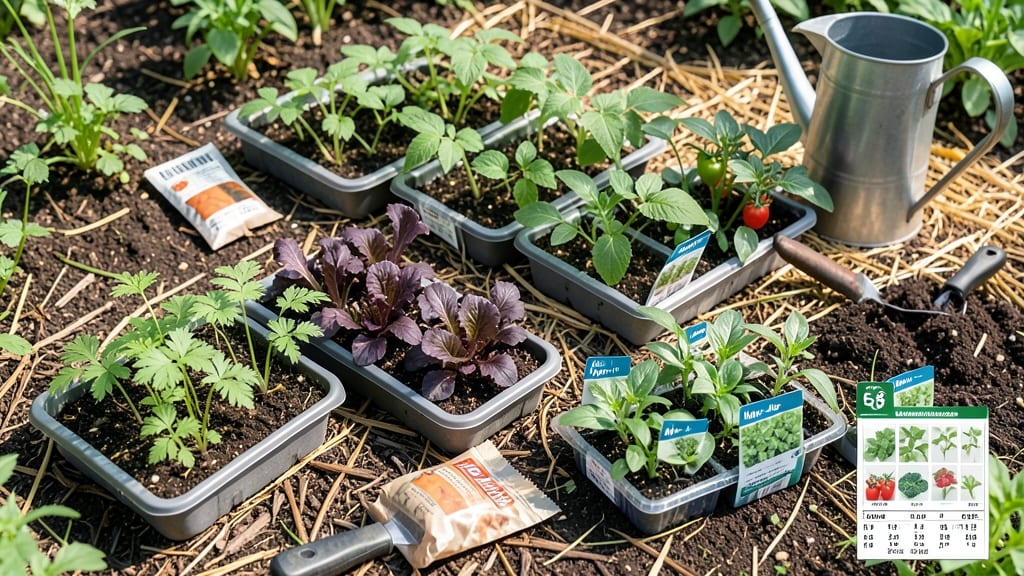
Planting a garden in Washington State at the right time means the difference between a thriving harvest and a wasted season.
Washington State’s diverse climate—from the rainy Pacific Northwest to the arid deserts of Eastern Washington—means your garden’s success hinges on planting at the perfect time.
Miss the window, and your cold-hardy crops like kale, peas, or spinach could bolt or fail entirely. But get it right, and you’ll enjoy fresh produce from spring greens to fall brassicas.
Here’s how to time your plantings by USDA zone, microclimate, and crop type for a bountiful garden all season long.
Washington State planting zones: key dates for cold-hardy crops by region
Washington State spans USDA Hardiness Zones 5 through 8, creating dramatic differences in planting windows from the Puget Sound to the Columbia Basin.
In Zone 5 (eastern WA), gardeners face earlier last frosts (mid-April), while Zone 8 (southern WA) enjoys longer growing seasons with first frosts in November. Timing is everything—plant too early, and frost will kill tender seedlings; too late, and crops bolt before harvest.
For cold-hardy crops like peas, spinach, and kale, the secret lies in soil temperature, not air temperature. These cool-season vegetables thrive when soil reaches 40-45°F, often 2-4 weeks before the last spring frost.
In Western WA, that means starting seeds indoors by late February, while Eastern WA gardeners can direct-sow as early as March 15.
Here’s how to navigate Washington’s three distinct regions—Puget Sound, Eastern WA, and the Columbia Basin—for foolproof planting success:
| Region | USDA Zone | Last Frost (Spring) | First Frost (Fall) | Spring Planting Window | Fall Planting Window |
|---|---|---|---|---|---|
| Puget Sound (Seattle, Olympia) | 7-8 | April 15–May 1 | October 15–November 1 | March 1 (indoors) / April 15 (outdoors) | August 1–September 15 |
| Western WA (Tacoma, Bellingham) | 7-8 | April 1–April 15 | October 1–October 15 | February 28 (indoors) / April 1 (outdoors) | July 30–August 31 |
| Eastern WA (Spokane, Wenatchee) | 5-6 | March 15–April 1 | September 15–October 1 | March 1 (direct sow) / April 15 (outdoors) | July 1–August 15 |
| Columbia Basin (Yakima, Pasco) | 6-7 | March 20–April 5 | October 1–October 15 | February 28 (indoors) / April 1 (outdoors) | July 15–August 30 |
*Dates vary by microclimate—check local frost records for precision.
In Zone 7-8 (Puget Sound), frost-sensitive crops like tomatoes and peppers should wait until May 15, after the ocean breezes have warmed the soil. Meanwhile, cold-hardy greens like spinach and lettuce can be sown as early as March under row covers to extend the season.
My go-to trick? Plant radishes first—they’re ready in 30 days and signal when soil is safe for slower growers.
For fall planting, focus on overwintering greens like kale, Swiss chard, and peas. These thrive in cool weather and can handle light frosts. In Western WA, aim for August 1–September 15; in Eastern WA, push it to July 15–August 15 to avoid early frosts.
I’ve had baby spinach survive 20°F nights when mulched with
Top 5 cold-hardy crops for Washington gardens & their ideal planting windows
If you're growing a Washington garden, timing is everything—especially for cold-hardy crops that thrive in our chilly springs and fall shoulders. These 5 high-yield, low-maintenance picks (peas, spinach, kale, broccoli, and radishes) tolerate frost and even improve with cooler weather.
Plant too early, and they’ll rot; too late, and they’ll bolt. Let’s pinpoint the perfect windows for each zone.
Washington’s USDA zones 5-8 create microclimates where Puget Sound gardens (Zone 7-8) can start earlier than Eastern WA (Zone 5-6). For example, spinach in Seattle thrives when planted in early March, while Spokane gardeners should wait until mid-April.
Below, I’ve mapped out month-by-month planting charts tailored to your region, plus succession planting tips to keep harvests rolling.
- Peas: Start in late February (Zone 7-8) or early March (Zone 5-6). Plant every 2 weeks until mid-April for continuous harvests. Cold-hardy but needs support trellises to avoid rot.
- Spinach: Sow early March (Zone 7-8) or late March (Zone 5-6). For fall crops, plant late July-August. Prefers cool temps (40-70°F)—bolts in heat.
- Kale: Plant March-April or August-September for overwintering. Thrives in light frosts and tastes sweeter after cold snaps. Succession plant every 3 weeks for year-round greens.
- Broccoli: Start indoors February-March (transplant after last frost) or direct-sow April-May. Fall planting: Sow July-August for harvests before first frost (Oct-Nov).
- Radishes: Fastest crop! Plant March-April or August-September. Ready in 3-4 weeks—perfect for gap-filling between slower crops like carrots.
🌱 Pro Tip: Use row covers to extend spring planting by 2-3 weeks in colder zones.
For succession planting, focus on fast growers like radishes and spinach. After your first harvest, replant every 2-3 weeks until mid-summer. For broccoli and kale, prioritize fall planting—they’ll sweeten up during cool nights and often survive light frosts into winter.
In Zone 5-6 (Eastern WA), aim to finish spring crops by late May to avoid summer bolting.
Soil prep is key: Amend beds with compost before planting, and mulch with straw to retain moisture. Peas benefit from nitrogen-fixing bacteria, so skip heavy fertilizers. For broccoli and kale, side-dress with balanced fertilizer (10-10-10) at transplanting. Overwatering is the #1 mistake—these crops hate soggy roots, so water deeply once weekly (more in Zone 5-6’s dry summers).
Don’t overlook fall planting! Spinach, kale, and peas can be sown as late as early September in Zone 7-8 and still produce before winter. In Zone 5-6, plant by mid-August.
Use cold frames to push harvests even later. With these 5 crops, you’ll enjoy fresh harvests from spring to fall—even through Washington’s famously wet winters!
🌿 Remember: Check your local last frost date (typically mid-April in Puget Sound, mid-May in Eastern WA). When in doubt, plant early—these cold-hardy crops will forgive a little frost better than heat!