
Planting
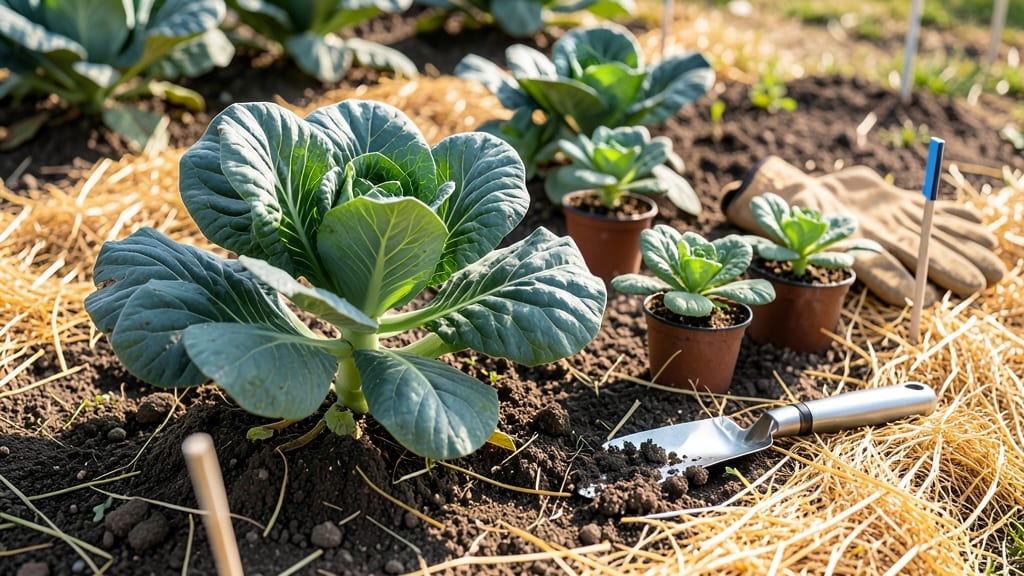
Plant a fall garden in South Texas between mid-August and early October to beat the heat and harvest before frost—this window is your ticket to a productive garden.
You’ve probably stared at your wilting summer crops and wondered, Is there even a chance for fall planting here? South Texas’ long, hot summers make it tricky, but the secret is choosing heat-tolerant crops and sticking to the exact deadlines for your zone.
In zones 9a-10a, the key is planting 6-8 weeks before the first frost (usually around December 1). That means starting seeds indoors in late July or transplanting heat-lovers like okra and sweet potatoes by early September.
Below, I’ll break down the ideal planting schedule by zone, the best crops for your region, and how to avoid the common mistakes that kill South Texas fall gardens before they even take off.
South Texas fall planting deadlines by USDA zones (8a-9b)
Timing is everything in South Texas gardening—plant too early, and your fall crops bolt in the heat; too late, and frost ruins your harvest. The USDA Zones 8a-9b have distinct windows for success, with urban areas often 1-2 weeks earlier than rural zones due to heat islands.
My fall garden thrives when I follow these zone-specific deadlines for transplanting and direct sowing.
For Zone 8a (average first frost: December 15), your last chance to plant warm-season crops like okra and sweet potatoes is mid-August. Cool-season crops such as collard greens and kale should go in by late September to mature before frost.
In Zone 9a (first frost: December 1), extend your window to late August for heat-lovers and early October for cool-season veggies.
Zone 9b (first frost: December 20) gives you the longest season—plant okra and peppers until early September, and broccoli or carrots until mid-October.
Rural areas with cooler nights may push deadlines 5-7 days later than urban heat sinks. Always check your local frost date averages—they vary yearly!
🌱
Transplanting is trickier than direct sowing in South Texas heat. Seedlings of cool-season crops (like broccoli) need 2-3 weeks to establish roots before temps drop. I always harden off seedlings for 7-10 days before planting—skip this, and shock kills tender roots.
For heat-lovers, like okra, transplant in late afternoon to reduce stress from afternoon sun.
Soil temperature matters just as much as air temperature. Warm-season crops thrive when soil hits 75°F+, while cool-season crops prefer 60-70°F. Test your soil with a thermometer—planting too early into hot soil stunts growth.
My Zone 9a garden struggles when I ignore this; sweet potatoes rot if soil stays above 85°F for too long.
Urban gardens face microclimates that rural areas don’t. Sidewalks and buildings trap heat, pushing planting deadlines earlier by 5-10 days. If you’re in a city like San Antonio or Corpus Christi, use shade cloth (30-50%) for seedlings until they’re established.
Rural gardeners can often plant 1-2 weeks later thanks to cooler nights.
🌿
Don’t forget succession planting—it’s your secret weapon for fall harvests. In Zone 9b, I plant radishes every 2 weeks from August through October. This ensures a continuous harvest before frost.
For broccoli, stagger plantings 3 weeks apart to spread out maturity dates. Even in Zone 8a, you can squeeze in 2-3 harvests of spinach if you start early!
Watch for false starts—South Texas can have unseasonable cold snaps in November. Protect tender crops like lettuce with row covers or move potted plants indoors. I’ve lost entire kale patches to a 28°F night in early December. Always have emergency frost blankets ready for Zone 8a-9a gardens.
✂️
Best heat-tolerant fall crops for South Texas gardens
South Texas summers can feel endless, but with the right heat-tolerant crops, you can still enjoy a bountiful fall harvest. These varieties thrive in late-summer heat while setting the stage for cooler months. The key is choosing crops that handle 90°F+ temperatures and drought-like conditions without wilting.
I’ve tested these top 10 heat-resistant crops in my own South Texas garden (Zone 9a), and they consistently deliver—even when other plants struggle. From okra to sweet potatoes, these picks extend your harvest well past Labor Day.
Let’s dive into the best performers ranked by yield potential and ease of growth.
- 1. 'Black Beauty' Okra – Thrives in 100°F+ heat, produces pods in 50-60 days. Harvest weekly to encourage more growth.
- 2. 'Texas Purple' Sweet Potatoes – Drought-resistant, stores well, and matures in 90-110 days. Plant slips in late August for fall harvests.
- 3. 'Malabar Spinach' – A tropical vine that loves heat and humidity. Harvest leaves as needed; regrows quickly.
- 4. 'Black Krim' Tomatoes – Heat-tolerant variety with sweet, rich flavor. Stake plants to prevent sunscald.
- 5. 'Crowder Peas' – Southern favorite that thrives in hot, dry soil. Ready to harvest in 55-60 days.
- 6. 'Collard Greens' – Heat-resistant leafy green that sweetens in cool weather. Sow seeds in September for fall/winter harvests.
- 7. 'Jalapeño Peppers' – Prolific producers in South Texas heat. Harvest peppers as they mature to keep plants productive.
- 8. 'Swiss Chard' – Heat-tolerant with colorful stems. Cut-and-come-again harvests work well in fall gardens.
- 9. 'Cucumbers (Straight Eight)' – Classic heat-loving vine. Train on trellises to save space and improve air circulation.
- 10. 'Black Seeded Simpson' Lettuce – Bolt-resistant variety that handles late-summer heat better than traditional lettuce.
For maximum success, pair these crops with mulch to retain moisture and drip irrigation to avoid wilt. Start seeds indoors in late July for early transplants, or direct-sow in August once soil temps drop slightly.
My okra and sweet potatoes always perform best when planted in well-draining, sandy loam—just like South Texas soil!
Don’t overlook lesser-known varieties like Malabar spinach or Crowder peas—they’re local favorites for a reason. These crops not only survive the heat but also thrive in South Texas’ unique climate, giving you a head start on cooler-season harvests.
With the right heat-tolerant lineup, your fall garden can be just as productive as spring.
Pro tip: Save seeds from your best performers to build heat resistance over generations. My jalapeños have gotten spicier and more prolific each year this way! 🌱