
Planting
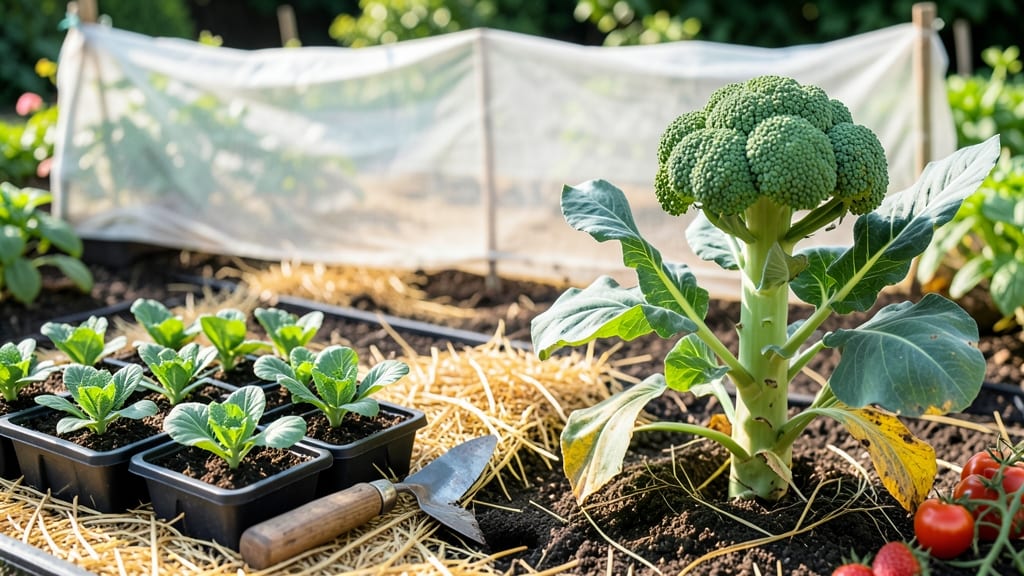
Planting your fall garden in NC between mid-August and early October is the key to harvesting before frost, but the exact timing depends on what you're growing and where you live in the state.
Miss that window, and you’ll either watch your greens bolt in the heat or lose everything to an early freeze. I’ve seen both happen—once to a neighbor who planted kale too early, and another time to my own spinach when I waited until October.
North Carolina’s Zones 7B-8A give you a narrow but sweet spot for fast-growing crops like broccoli, carrots, and radishes. The trick is knowing when to start seeds indoors, when to transplant, and how to stretch your harvest season with simple tricks like row covers.
Below, I break down the exact planting schedule for your zone, the fastest crops to grow, and how to adjust for NC’s unpredictable fall weather—so you can enjoy fresh greens and roots all the way until December.
NC fall planting deadlines by crop type (zone 7B-8A)
North Carolina’s Zone 7B-8A offers a 60-75 day fall growing window, but timing is critical. First frost typically arrives between mid-November and early December, leaving just enough time for fast-maturing varieties to thrive.
Cool-season crops like kale and spinach can handle light frosts, while heat-lovers like okra and sweet potatoes need early starts to avoid bolting.
Your last planting dates depend on crop type and maturity time. Start with heat-tolerant varieties in late July for a late-September harvest, then transition to cool-season crops by mid-August.
For example, bush beans planted in early August will mature before frost, while lettuce sown in late August needs only 30-40 days to harvest.
Use this fall planting timeline to maximize your NC garden’s potential. Prioritize fast growers and frost-tolerant varieties to extend your harvest well into winter. For instance, radishes can be sown until mid-October for a quick harvest, while broccoli should be in the ground by mid-September to mature before frost.
Here’s your crop-specific planting chart for NC’s fall garden, organized by category and last planting date:
| Crop Type | Last Planting Date | Days to Maturity | Notes |
|---|---|---|---|
| Heat-Loving Vegetables | Late July - Early August | 50-75 days | Okra, sweet potatoes, southern peas |
| Cool-Season Vegetables | Mid-August - Mid-September | 30-60 days | Kale, spinach, lettuce, broccoli |
| Herbs | Late July - Late August | 30-50 days | Basil, cilantro, dill, parsley |
| Flowers | Mid-August - Early September | 45-70 days | Marigolds, zinnias, snapdragons |
| Fast-Growing Greens | Late August - Mid-October | 20-30 days | Radishes, arugula, turnip greens |
| Root Vegetables | Early August - Early September | 40-60 days | Carrots, beets, turnips |
For heat-loving crops, prioritize late July plantings to ensure they mature before temperatures drop. For example, okra and sweet potatoes need warm soil and won’t tolerate frost, so start them early. If you miss the window, opt for container gardening to bring them indoors before cold snaps.
Cool-season crops like kale and broccoli can handle light frosts, making them ideal for mid-August to September plantings. These crops actually sweeten up after a frost, so don’t rush to harvest! For best results, choose fast-maturing varieties like ‘Winterbor’ kale (30 days) or ‘De Cicco’ broccoli (50 days).
Herbs like basil and cilantro thrive in warm fall weather but bolt quickly if planted too late. Sow basil by late July for a late-September harvest, while cilantro can be direct-sown until mid-August. If you love fresh herbs, consider protecting them with row covers to extend their season.
Don’t overlook flowers for your fall garden! Marigolds and zinnias add color and attract pollinators. Plant them by mid-August for blooms that last until frost.
How to adjust planting for NC’s microclimates and frost risk
North Carolina’s fall frost dates vary dramatically across Zones 7B-8A, with some areas like the mountains seeing frost by October 15 while coastal regions may stay frost-free until November 15. This variability means your fall planting strategy must account for microclimates—even within your own backyard.
A south-facing slope might stay warmer by 5-10°F than a low-lying area, giving you extra weeks for cool-season crops.
To maximize your fall harvest window, I recommend starting with fast-maturing varieties (like bush beans or radishes) in late August for areas with early frost risk.
For broccoli or kale, wait until mid-September to avoid bolting from residual summer heat. The key is matching your planting dates to your local frost-free period.
Late August planting: High risk of heat stress for cool-season crops. Ideal for heat-tolerant varieties (e.g., Malabar spinach) or fast growers (e.g., turnips, radishes). Use shade cloth if temps exceed 90°F.
September planting: Safer for most crops but limits harvest time. Prioritize early-maturing seeds (check days to harvest labels). For Zone 7B, aim for 60-day varieties by September 15.
Pro Tip: Use a frost calendar (like NC State Extension’s) to pinpoint your last frost date. Subtract your crop’s days to maturity to calculate your planting deadline.
One of my favorite fall gardening hacks is using row covers to extend the season by 2-4 weeks. Lightweight floating row covers (like Agribon) protect against light frosts (28-32°F) while still allowing sunlight and water to penetrate.
For harder frosts (below 28°F), opt for hoop houses or cold frames. I’ve successfully grown spinach and lettuce through December using these methods in Zone 7B.
Don’t overlook soil warmth when adjusting your planting timeline. Even in fall, soil temperatures can stay above 60°F in southern NC well into October. Use a soil thermometer to ensure cool-season crops like carrots or parsley get planted when soil temps drop below 70°F.
If your soil runs warm, try shady spots or mulch heavily to cool it down faster.
For high-value crops like brussels sprouts or cabbage, consider transplanting seedlings instead of direct sowing. Seedlings give you a 4-6 week head start, which is critical in short-season areas.
I start brussels sprout seedlings indoors in late July and transplant them by mid-August to ensure a harvest before frost. Just be sure to harden off seedlings for 7-10 days before moving them outdoors.
Finally, observe your garden’s microclimates like a pro. Notice where frost lingers longest (often low spots or valleys) and where warmth pools (like near buildings or paved surfaces). Plant heat-sensitive crops in warm zones and frost-tolerant crops (like kale or collards) in cooler areas.
With these adjustments, you’ll double your fall harvest even in NC’s tricky climate. 🌱