
Picking
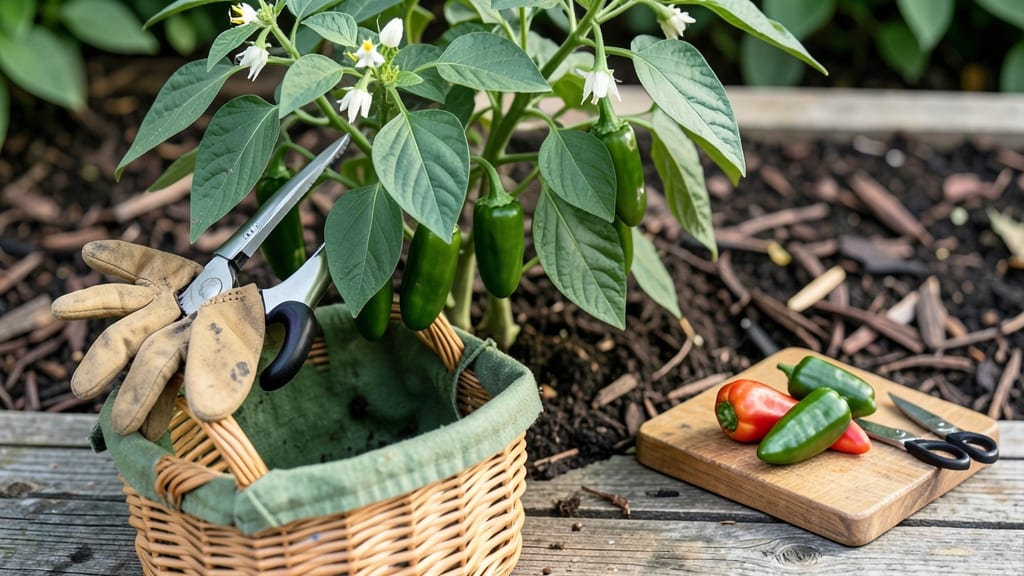
Picking jalapeños from your garden at the right time means the difference between fiery, flavorful peppers and bland, underdeveloped pods 🌶️.
Harvesting too early leaves you with mild, watery jalapeños that lack the heat and depth you crave. Wait too long, and you risk overstressing the plant—or worse, letting those peppers turn mushy on the vine.
The key is knowing exactly when to reach for your pruners, and it all comes down to three simple but critical cues.
First, size matters: jalapeños should be at least 3 inches long and firm to the touch, not rock-hard or squishy. Next, watch the color shift from bright green to a deeper hue—whether that’s red, yellow, or even purple, depending on your variety.
Finally, the stem should twist off cleanly with a gentle tug, a sign the pepper is ready to be picked without damaging the plant.
In this guide, I’ll break down these visual clues, explain how heat and flavor change as your jalapeños mature, and share pro tips to keep your plants productive all season long.
3 Visual signs your jalapeños are perfectly ripe for picking
Knowing exactly when to pick your jalapeños can transform your harvest from bland to bold. The difference between underripe and perfectly ripe peppers often comes down to three key visual cues: size, color, and firmness.
Ignore these signs, and you’ll either end up with peppers that lack heat or ones that have already started to spoil on the vine.
First-time growers often make the mistake of picking jalapeños too early, assuming bigger is always better. But size alone isn’t enough—you also need to check for maturity indicators like color shifts and texture changes.
For example, a 3-inch jalapeño that’s still bright green might be underripe, while a slightly larger one with deeper green or even reddish hues could be at peak flavor.
Here’s the breakdown of what to look for, including how to distinguish between underripe, perfectly ripe, and overripe jalapeños so you never miss the sweet spot.
| Sign | Underripe (Not Ready) | Perfectly Ripe (Ready to Pick) | Overripe (Past Prime) |
|---|---|---|---|
| Size | < 2 inches | 3-5 inches | > 5 inches (wrinkled) |
| Color | Bright green 🟢 | Deep green to red/yellow/purple (varies by variety) | Dull, faded, or spotted |
| Firmness | Very firm (resists pressure) | Firm but slightly yielding when pressed | Soft or mushy in spots |
| Stem Test | Stem doesn’t snap | Stem snaps cleanly when twisted | Stem pulls away easily (rotting) |
Let’s start with size, the most obvious clue. A jalapeño that’s 3-5 inches long is typically ready for harvest, but don’t rely on length alone. For instance, some heirloom varieties like ‘Red Jalapeño’ might stay smaller but still reach peak flavor.
Always cross-check size with the other two indicators to avoid mistakes.
Next, pay attention to color changes. Most jalapeños start as bright green but deepen to a duller green or even turn red, yellow, or purple as they mature. This shift signals higher sugar content and richer flavor.
If you’re growing a red jalapeño variety, wait until at least 50% of the pepper shows color before picking for the best heat-to-sweetness balance.
Finally, firmness is your secret weapon for nailing the perfect harvest. A ripe jalapeño should feel firm but slightly yielding when you gently squeeze it—like a ripe avocado. If it’s rock-hard, it’s underripe; if it’s soft or wrinkled, it’s overripe.
Pro tip: Press near the shoulder (where the pepper meets the stem) for the most accurate reading.
One common pitfall is confusing firmness with turgidity (water content). Overwatered plants can produce peppers that feel firm but are actually underripe because they’re holding excess moisture.
Always check color and size alongside firmness to confirm readiness. If your peppers are firm but still bright green and small, give them another week or two.
Timing your harvest isn’t just about flavor—it’s also about encouraging more production. Jalapeño plants often rebloom after you pick the first batch, but they need time to recover. If you harvest too early, you might stress the plant and reduce future yields.
Aim to pick every 7-10 days once peppers hit the sweet spot to keep your plant happy and productive.
For storage, pick your jalapeños in the morning when temperatures are coolest. Store them in a paper bag in the fridge for up to 2 weeks to preserve freshness. If you’re not using them right away, consider freezing or fermenting for long-term preservation—just make sure they’re fully ripe first!
Remember, every jalapeño variety has slight differences in maturity timing. For example, ‘Early Jalapeño’ might be ready in 60 days, while ‘Red Jalapeño’ could take up to 90 days. Always check your seed packet for specific days to maturity and adjust your expectations accordingly. 🌱
How jalapeño maturity affects heat and flavor (with harvest timing guide)
Jalapeño peppers change dramatically as they mature, and the timing of your harvest directly impacts their heat levels and flavor intensity. A green jalapeño picked early will be milder and crunchier, while a red jalapeño left on the vine longer develops deeper sweetness and a higher Scoville rating.
Understanding these shifts helps you tailor your harvest to your favorite dishes.
Most jalapeños reach their ideal harvest window between 75-90 days after transplanting, but their flavor profile evolves daily. The earlier you pick, the more grassy and tart they taste, while waiting for full maturity unlocks complex, fruity notes.
For example, a green jalapeño scores around 2,500-8,000 Scoville units, but a ripe red jalapeño can hit 15,000-20,000 units—nearly triple the heat!
For pickling jalapeños, harvest them when they're 3-4 inches long and still firm green. This stage locks in their crisp texture and mild heat, which is perfect for preserving in vinegar.
If you're aiming for fresh eating or cooking, wait until they reach 4-5 inches and develop a slight give when gently squeezed—a sign their sugars have peaked.
Leaving jalapeños on the vine too long can backfire. While red jalapeños develop richer flavors, overripe peppers become soft and seedy, with a bitter aftertaste. Their Scoville heat also plateaus—beyond 90 days, the heat increase is minimal, but the texture degrades.
I once let mine turn fully red, and though they were delicious in sauces, they were too mushy for slicing fresh.
Pro tip: Harvest in the morning when temperatures are coolest. This preserves their crispness and flavor longer. Use clean pruning shears or your fingers to twist peppers gently at the stem—avoid tearing the plant.
Store harvested jalapeños in a paper bag in the fridge for up to 2 weeks to maintain freshness, or freeze them whole for later use.
Experiment with different harvest times to discover your favorite flavor profile. My green jalapeños go into quick pickles, while partially ripe ones (yellow or orange) add depth to homemade hot sauce. The key is patience—waiting just 5-10 extra days can transform a simple pepper into a flavor powerhouse.