
Picking
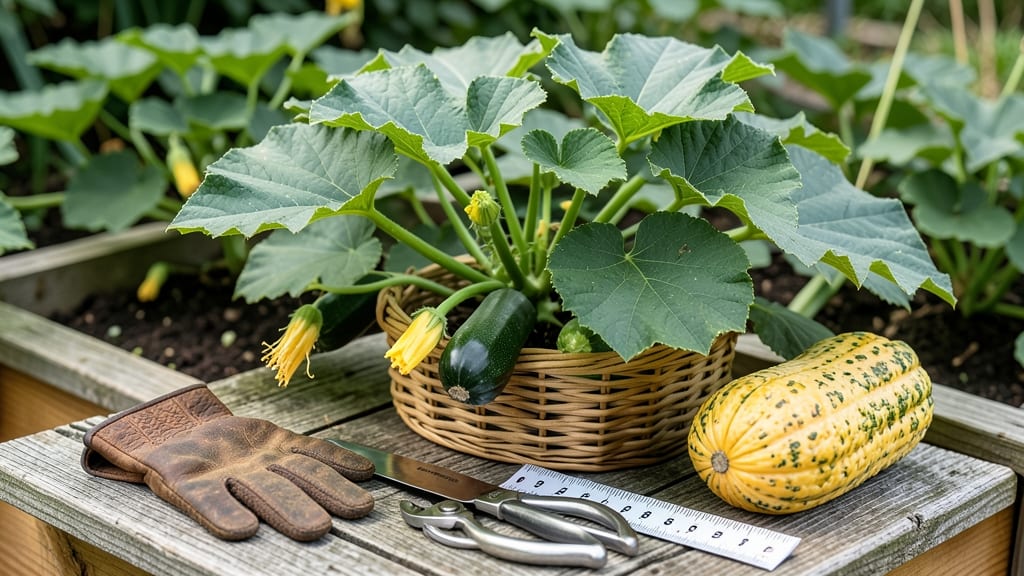
To pick zucchini from your garden at the perfect moment, watch for 6- to 8-inch-long squash with firm, deep green skin 🎃—harvesting too early or late ruins flavor and yield.
Zucchini plants can produce an overwhelming harvest in just weeks—if you miss the perfect picking window, you’ll end up with bitter, seedy squash instead of tender, flavorful vegetables.
Timing matters because zucchini grow fastest in warm weather, and skipping harvests slows production. Below, I’ll show you how to spot ripe zucchini, how often to check your plants, and what happens if you wait too long.
You’ll leave this guide knowing exactly when to harvest for peak sweetness, how to encourage more fruit, and how to save overripe zucchini for cooking.
3 Visual signs your zucchini is ready for harvesting
Knowing exactly when to pick zucchini from your garden transforms your harvest from overwhelming to manageable. Zucchini grows rapidly—sometimes adding 1-2 inches per day—so missing the optimal window means tough, seedy squash instead of tender, flavorful vegetables.
The key lies in three simple visual cues: size, color, and texture. Mastering these signs ensures you enjoy a steady supply of homegrown zucchini all season.
First, focus on the zucchini size. The ideal harvest window occurs when your squash reaches 6-8 inches in length. This size range guarantees peak tenderness and minimal seeds. Letting zucchini grow beyond 8 inches often results in a tougher texture and more pronounced bitterness.
Use a tape measure or compare against a ruler to track growth accurately—most gardeners find checking every 2-3 days keeps them on schedule.
Next, examine the color of your zucchini. At peak ripeness, the skin should be a deep, consistent green without yellowing or pale patches. Darker varieties (like 'Black Beauty') will appear nearly black, while lighter types (like 'Golden Zucchini') should have a rich, golden hue.
Uneven coloring often signals uneven growth or stress—common issues when plants struggle with water consistency or nutrient deficiencies.
Finally, test the texture and stem for readiness. Gently press your thumb against the zucchini skin—if it yields slightly (like a ripe avocado), it’s ready. Also, check the stem end: a yellowing or brownish hue indicates maturity, while a green stem means more time is needed.
For extra confirmation, try bending the stem—if it snaps easily, your zucchini is perfectly ripe.
| Sign | Ideal Zucchini (Ready to Pick) | Overripe Zucchini (Past Prime) |
|---|---|---|
| Size | 6-8 inches long | 9+ inches (often 12+) |
| Color | Deep, even green (or golden for heirlooms) | Pale, mottled, or yellowing patches |
| Texture | Slightly firm with slight give when pressed | Hard, woody, or overly soft |
| Stem | Yellowing or brown at base | Green and firm (or rotting if overripe) |
| Seed Cavity | Small, minimal seeds | Large, mature seeds (bitter taste) |
Avoid the common mistake of picking zucchini too late simply because it’s "big enough." Overripe zucchini develops a woody texture and bitter flavor, making it less enjoyable to eat.
I’ve learned this lesson the hard way—one summer, I ignored the size cues and ended up with a foot-long zucchini that was nearly inedible! The good news? Overripe zucchini can still be used for baking or roasting, but it won’t compare to the tender, sweet flavor of properly timed harvests.
For cool-season climates, timing becomes even more critical. Zucchini grows slower in temperatures below 70°F (21°C), so check for ripeness every 3-4 days instead of every 2. Look for the same size and color cues, but don’t rush—zucchini in cooler weather often matures more slowly.
Conversely, in hot, humid climates, zucchini can ripen in just 48 hours, so frequent checks are essential to avoid missing the window.
Pro tip: Use a sharp knife or pruners to harvest zucchini, cutting the stem about 1 inch above the fruit. This method prevents damage to the plant and encourages more production.
Always harvest in the morning when temperatures are cooler—this preserves freshness and makes it easier to spot ripe squash before the heat of the day sets in.
If you’re still unsure, remember this rule: "When in doubt, pick it out!" Zucchini continues to ripen off the vine, so even slightly underripe specimens will improve slightly with a day or two of indoor storage.
But once they’re overripe, there’s no going back—so trust your eyes and enjoy the reward of perfectly timed harvests all season long. 🌱
How often to check zucchini plants for harvest-ready squash
Consistent harvest checks are the secret to preventing blossom end rot and maximizing your zucchini yield. I check my plants every 2-3 days during peak production months (July-August), when vines can produce multiple squash per week.
This frequent monitoring ensures I never miss the 6-8 inch sweet spot for ideal flavor and texture.
Morning is the best time to harvest zucchini because the plants are well-hydrated from overnight watering, making the squash easier to remove. I also avoid harvesting in the evening hours when humidity is higher, as this increases the risk of fungal diseases entering through any small stem wounds.
The cool morning temperatures also help preserve the squash's freshness longer.
To prevent damaging the plant, I use a sharp pruning shear or my thumb to gently twist the zucchini at the stem base. Never pull or tug - this can tear the vine and leave the plant vulnerable to pests.
I also make sure to leave 1-2 inches of stem attached to the squash, as this helps prevent moisture loss and maintains freshness during storage.
🌱 My Zucchini Harvest Schedule
- ✅ Every 2-3 days during peak season (July-August) when vines produce rapidly
- 🌞 Morning hours (6-9 AM) for best plant health and squash freshness
- 📅 Weekly checks in early and late season when production slows
- 🌡️ After warm days (75°F+), when squash ripens faster
- 🌧️ Skip harvesting after heavy rain when vines are overly moist
I've learned that overlooking just one day can mean the difference between a perfect 7-inch zucchini and a 20-inch monster that's tough and seedy. When I notice a squash reaching 4-5 inches, I mark it with a small flag to remind myself to check it the next day.
This simple system has helped me double my harvest by ensuring I never let squash get past the ideal size.
For container-grown zucchini, I check even more frequently - every 1-2 days - because limited root space causes faster maturation. The key is to harvest before the squash touches the ground, as this can lead to rot.
I also rotate my containers to ensure even sun exposure, which helps all squash ripen at similar rates.
Remember that consistent harvesting stimulates your zucchini plant to produce more flowers and fruit. When I started following this schedule, my single plant went from producing 3-4 squash per season to 50+ pounds of harvest over just 8 weeks!
The secret is treating your zucchini like a well-oiled machine - feed it regularly, water deeply, and harvest frequently.