
Picking
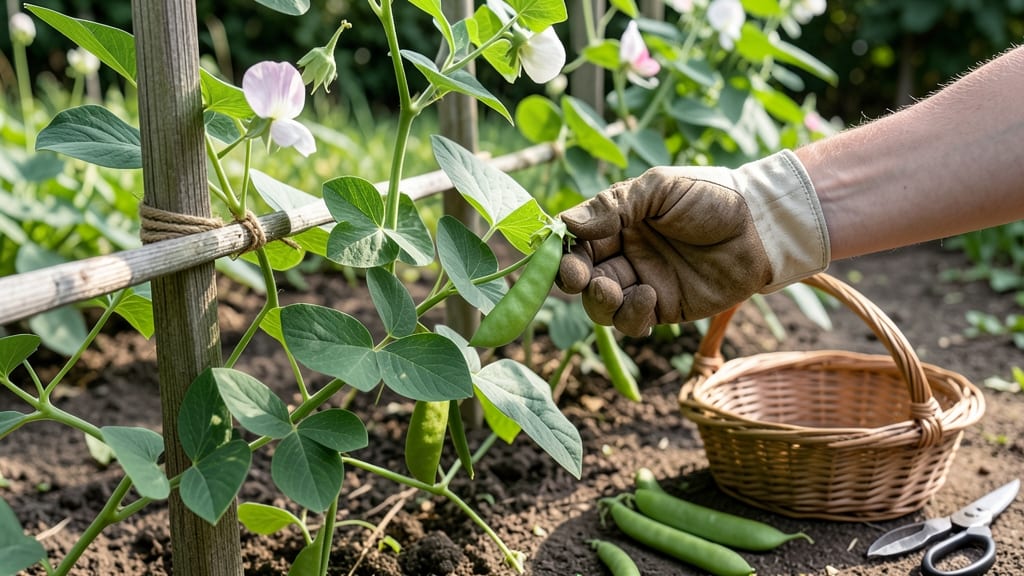
Harvest garden peas when pods reach 2 to 2.5 inches long and bulge slightly—this is the sweet spot for peak flavor and texture.
Picking too early leaves you with tiny, underdeveloped pods, while waiting too long turns them tough and mealy. I’ve learned the hard way that timing is everything—one missed window can ruin a whole crop.
Look for pods that snap easily when bent and have visible but not fully formed seeds inside. These simple checks ensure you’re harvesting at the perfect moment, whether you’re growing shelling peas or snow peas.
Below, I’ll break down the exact visual cues, how often to harvest for maximum yield, and what to do if you miss the window. Ready to turn your pea patch into a sweet, crisp harvest?
3 Reliable tests to determine when garden peas are ready for harvest
Nothing beats the fresh, sweet crunch of homegrown peas—except maybe the disappointment of picking them too late. Overripe peas turn starchy and tough, while underripe ones lack flavor. The key is knowing exactly when garden peas are ready for harvest using simple, foolproof tests.
I’ve tested these methods for years, and they never fail to deliver perfectly sweet pods every time.
Most gardeners focus on days to maturity, but peas mature unevenly—some pods ripen faster than others. That’s why I rely on three visual and tactile checks: pod size, color, and texture.
These tests work for both shelling peas and snow peas, though timing varies slightly between varieties. Let’s break down each method so you can harvest at peak sweetness.
Pod Size Check
For shelling peas, harvest when pods reach 2-2.5 inches long and are noticeably plump and rounded. Snow peas should be 2.5-3 inches but still flat. Use a ruler or compare to your thumb—most adults have a 1.5-inch thumb width for reference.
Color Test
Look for a slight greenish-yellow tint on shelling peas (not bright green). Snow peas should stay bright green but with a slightly waxy sheen. Avoid pods with dull or brown spots, as these indicate overripeness or disease.
Texture & Sound
Gently press the pod with your thumb. Ready peas should yield slightly but not feel mushy. Give the pod a light bend—it should snap cleanly (not crack or resist). If it feels hard, it’s too early; if it’s soft or hollow-sounding, it’s past its prime.
Pro tip: Check peas in the morning after watering when pods are firmest. Avoid harvesting after rain, as excess moisture can make pods appear riper than they are. I also recommend harvesting every 2-3 days during peak production to encourage more pods—peas produce continuously until the plant flowers heavily.
One common mistake is waiting until seeds are fully formed inside the pod. By then, the peas have already lost their peak sweetness and start converting sugars into starch. For the best flavor, aim to harvest when seeds are just visible through the pod but still small and tender.
This is especially critical for sugar snap peas, which are harvested at an even earlier stage.
Regional variations can affect timing slightly. In cooler climates (like USDA Zone 4), peas mature faster due to shorter days, so monitor pods closely. In warmer zones (like Zone 8+), they may take longer to reach harvest size.
Always adjust your checks based on local weather—hotter temperatures can accelerate ripening, while cool, cloudy days may slow it down.
If you’re growing multiple pea varieties, label your plants and check each group separately. Some varieties, like 'Sugar Sprint', mature in just 55 days, while others, like 'Lincoln', take up to 70 days.
Pay attention to the flowering stage too—once most flowers fade, new pods stop forming, and it’s time to pull the plant or let it go to seed for next year.
Remember, the first harvest is always the sweetest. After that, flavor may decline slightly as the plant matures, but consistent harvesting keeps production strong. Store fresh peas in the fridge for up to 5 days or blanch and freeze them for long-term storage.
With these tests, you’ll never miss the perfect window again—just sweet, crisp peas straight from your garden!
How often to harvest peas for maximum yield and sweetness
Harvesting peas at the right frequency keeps your plants producing sweet, tender pods instead of tough, stringy ones. For shelling peas, I recommend picking every 2-3 days once they start flowering.
This prevents overmaturity and encourages continuous blooming. Snow peas, on the other hand, need harvesting every 3-5 days since they mature slightly faster and become fibrous quickly.
Timing matters just as much as frequency. In cooler spring months, peas mature slower, so you can stretch harvests to 3-4 days between pickings. But when summer heat arrives, switch to daily harvesting to prevent pods from toughening.
Watch for overripe signs like swollen seeds or yellowing pods—these are clear signals you’re harvesting too late.
| Pea Type | Harvest Frequency | Best Time of Day | Seasonal Adjustments |
|---|---|---|---|
| Shelling Peas | Every 2-3 days | Morning (cool pods) | Spring: 3-4 days apart Summer: Daily |
| Snow Peas | Every 3-5 days | Late morning | Spring: 4-5 days apart Summer: Every 2-3 days |
| Both Types | Stop when pods stop forming | Avoid afternoon heat | Frost kills plants—harvest before first freeze |
Morning harvests work best because peas lose sweetness as they warm up. I always grab my basket before 10 AM and check for 2-2.5 inch pods with slight give when squeezed.
If you notice pods staying small or flowering slowing down, your plants may need more nitrogen—try a light side-dressing of compost tea.
For continuous harvests, I plant successive batches every 2 weeks in spring. This staggered approach ensures a steady supply instead of one big harvest. Just remember: never let peas linger on the vine past their prime. Overripe peas develop tough skins and mealy interiors, ruining their delicate texture.
Watch for yellowing foliage or pods that won't snap—these are red flags. If your plants stop producing, check for aphids or powdery mildew and treat immediately. With proper timing, you'll enjoy sweet peas for weeks instead of just a few days.
Pro tip: Store harvested peas in the fridge for up to 5 days in a perforated bag. For long-term storage, freeze them whole or shelled. This preserves their peak sweetness until you're ready to use them in salads, stir-fries, or soups.