
Picking
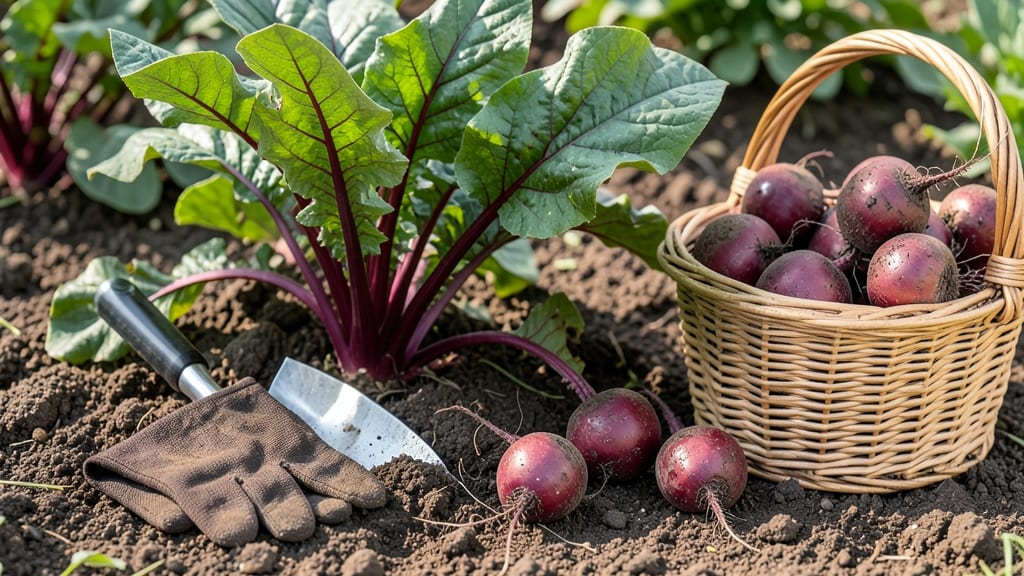
To pick beetroot from the garden at peak sweetness, watch for roots reaching 1.5 to 3 inches in diameter and deep, rich color—signs they’re ready to pull between June and September in zone 6a.
Harvesting beetroot at the wrong time can mean the difference between sweet, tender roots and tough, woody disappointments—so knowing when to pull them is key to a thriving garden. Too early, and they’ll be small and watery; too late, and they’ll turn bitter or hollow.
Beyond size, check the soil: roots should feel firm when gently squeezed, and the tops should still be vibrant, not wilted or yellowing. These cues tell you the beetroot 🍠 has reached its flavor peak.
In this guide, I’ll break down the exact visual and soil clues to harvest at the perfect moment, plus how to store your fresh haul for maximum flavor and texture.
3 Clear signs your beetroot is ready for harvesting
Knowing when to pick beetroot from your garden is all about timing—too early, and you’ll get small, underdeveloped roots; too late, and they’ll become tough and woody. The key lies in three visual cues that signal peak ripeness: root size, leaf health, and skin firmness.
These signs ensure you harvest beetroot at its sweetest, most tender stage, perfect for roasting, pickling, or fresh salads.
Beetroot typically reaches harvest readiness between 55 to 70 days after planting, but don’t rely solely on the calendar. Instead, focus on these physical indicators that tell you the moment is right.
Ignoring these signs can lead to flavorless or fibrous roots, so pay close attention to what your plants are telling you. I’ve learned the hard way that patience pays off—waiting for these cues guarantees a harvest worth celebrating.
🌱 3 Signs Your Beetroot Is Ready to Harvest
-
1. Root Diameter of 1.5–3 Inches
Use your fingers to gently feel the soil around the base. Ideal harvest size is about the width of a large potato—smaller than that, and they’re still growing; larger, and they’ll be tough.
-
2. Skin Resists Gentle Thumb Pressure
Press lightly on the beetroot’s skin. If it doesn’t dent easily, it’s ready. A soft spot means it needs more time, while a hard, resistant surface signals peak ripeness.
-
3. Deep, Uniform Color and Healthy Leaves
Look for vibrant, consistent color (red, gold, or purple, depending on variety) and 4–6 inch tall leaves that are dark green and free of yellowing. Wilting or sparse foliage means it’s past its prime.
Pro Tip: Harvest in the morning when soil is moist but not soggy—this makes roots easier to pull cleanly.
One of the biggest mistakes I’ve seen (and made!) is harvesting beetroot based on leaf size alone. While healthy leaves are a good sign, they don’t always correlate with root maturity. For example, some varieties like ‘Detroit Dark Red’ develop deep color even when leaves are still small.
That’s why I always double-check with the thumb pressure test—it’s the most reliable way to avoid underripe or overripe roots.
The soil conditions also play a crucial role in determining harvest readiness. Well-drained soil with consistent moisture (not waterlogged) ensures beetroot grows steadily. If your garden soil is too dry, roots may stop growing prematurely, while overly wet conditions can lead to hollow or cracked roots.
I’ve found that mulching around plants helps maintain even moisture, which keeps beetroot on track for a perfect harvest.
Don’t overlook the seasonal timing either. In most climates, beetroot thrives in cool weather and should be harvested before temperatures rise above 80°F (27°C). Heat stress can cause roots to bolt (send up flowers) or develop a bitter taste.
If you’re in a hotter region, consider planting heat-tolerant varieties like ‘Cylindra’ or harvesting earlier in the season to beat the heat.
Once you’ve confirmed all three signs—size, skin firmness, and color—it’s time to harvest. Use a garden fork to loosen the soil around the root, then grip the beetroot firmly at the base and pull upward.
Avoid cutting roots with shears, as this can damage nearby plants. After harvesting, trim the tops to 1 inch to prevent moisture loss and store in a cool, dark place for up to 2 weeks.
If you wait too long, beetroot can become woody and fibrous, losing their sweetness. I’ve seen gardeners leave them in the ground until the leaves yellow and die back—by then, the roots are often unusable.
To avoid this, I set a reminder to check my beetroot every 3–5 days once they’re close to size. This proactive approach ensures I never miss the window for peak flavor.
For continuous harvests, consider planting beetroot in successive batches every 2 weeks. This way, you’ll always have fresh, tender roots ready to pick. Just remember: the smaller the root, the sweeter it tends to be.
Baby beetroot (harvested at 1 inch diameter) are a delicacy, perfect for quick cooking or raw snacks.
Finally, keep an eye out for pests or diseases that might signal it’s time to harvest early. Signs like yellowing leaves, holes in foliage, or mold mean your beetroot should be pulled immediately, even if they’re not fully sized.
In my garden, I’ve had to harvest early due to leaf miners, but the roots were still delicious when cooked with a little extra seasoning.
With these three clear signs in mind, you’ll never second-guess when to pick beetroot again. The next time you’re in your garden, take a moment to check for these cues—your taste buds will thank you for the perfectly sweet, tender harvest! 🍠
How beetroot size and soil conditions affect sweetness
Beetroots develop their signature sweetness when harvested at the right size and soil conditions. Smaller roots, typically 1.5 to 3 inches in diameter, pack more concentrated sugars than larger, woody specimens.
This is because their growth hasn't yet shifted from energy storage to structural development. Think of them like tiny, flavor-packed powerhouses compared to their overgrown cousins.
The key to unlocking that sweetness lies in your soil's moisture balance. Too much water dilutes flavor, while too little causes stress that turns roots bitter. Aim for consistently moist soil—about 1-2 inches of water per week—to maintain that perfect sweet-tart balance.
I've found that morning watering helps prevent fungal issues while keeping roots hydrated just enough.
Here's how size and soil conditions directly impact your harvest:
| Root Size | Sweetness Level | Soil Moisture | Texture | Optimal Harvest Time |
|---|---|---|---|---|
| 1-1.5 inches | Very sweet | Consistently moist | Tender, crisp | 50-55 days |
| 1.5-3 inches | Sweet, balanced | Moist but not soggy | Firm, juicy | 55-65 days |
| 3+ inches | Milder, woody | Dry or waterlogged | Tough, fibrous | 65+ days |
Beetroots can stay in the ground for up to 3-4 weeks past maturity without significant flavor loss, but their texture becomes firmer. If you're unsure about timing, I recommend harvesting a test root—dig one up and taste it.
The skin should resist gentle thumb pressure, and the color should be deep and uniform. Overripe beetroots develop a hollow core, which is a clear sign you've waited too long.
Soil pH also plays a subtle but important role. Beetroots thrive in slightly acidic to neutral soil (pH 6.0-7.0). If your soil is too alkaline, the roots may absorb excess calcium, leading to a bitter taste.
A simple soil test kit can help you adjust with compost or sulfur if needed. I've seen dramatic flavor improvements after amending my garden's pH just a little.
One final tip: Avoid harvesting during extreme heat waves. When temperatures exceed 85°F (29°C), beetroots develop a more earthy, less sweet flavor. If you're growing in hot climates, focus on early morning harvests and provide shade cloth during peak afternoon sun. Your taste buds—and your plants—will thank you.