
Picking
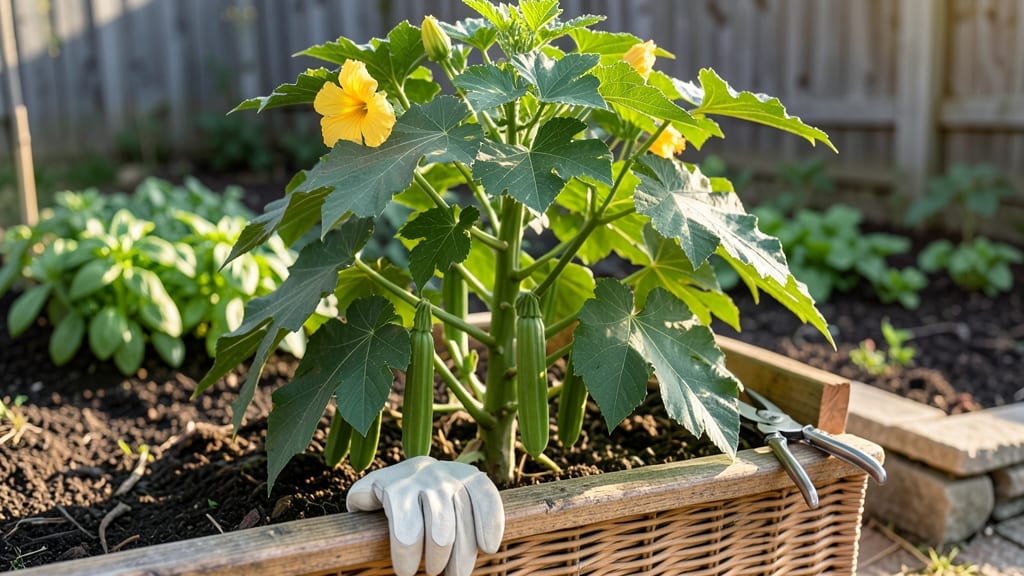
Picking okra from the garden at the right time turns slimy pods into crisp, tender bites—here’s how to nail it every harvest.
You’ve probably heard that okra gets tough if you wait too long, but the truth is even more precise. A pod that’s just 2–4 inches long (about the width of your thumb to pinky) is the sweet spot for texture and flavor.
Miss that window, and you’ll end up with fibrous, seedy pods that ruin even the best recipes.
Climate plays a role too—warmer regions like Zone 6a can push okra to maturity faster, while cooler areas may need a little longer. The key is checking pods every 2–3 days once they start forming, because once they hit 5 inches, they’re past their prime.
Below, I’ll break down the three finger-width tests to guarantee perfect okra, plus how to adjust for your local growing season. Ready to harvest like a pro?
3 Finger-width tests to determine perfect okra harvest time
Okra thrives when harvested at the right stage, and the finger-width test is my go-to method for precision. Unlike measuring with a ruler, this tactile approach lets you feel the pod firmness and seed development—key indicators of peak flavor.
When pods are too small, they’re bland and watery, while overripe ones become tough and fibrous. The sweet spot? A crisp texture with just a hint of seed formation.
I’ve found that 2-4 inches is the ideal range for most varieties, but finger-width gives you a quick, visual-free way to judge. For example, a 3-inch pod (about the width of my thumb) is perfect for frying, while anything wider risks becoming woody.
The test works best in the morning when pods are firmest after overnight hydration.
Here’s why the finger-width method beats guesswork: it accounts for natural size variations between okra types (like Clemson Spineless vs. Emerald) and environmental factors like heat or drought. Your fingers detect subtle changes in pod density that rulers can’t—like the slight give when seeds start swelling.
🌱 3 Finger-Width Tests for Perfect Okra
- 📏 Thumb Test (2-3 inches): Wrap your thumb around the pod—if it fits snugly, it’s ready. This is the sweet spot for most recipes.
- 👆 Index Finger Test (3-4 inches): If the pod spans from your thumb to index finger, it’s still great but closer to the upper limit. Ideal for stews or soups where texture matters less.
- 🌱 Pinky Test (Overripe): When the pod reaches your pinky width (4+ inches), it’s past prime. Seeds bulge, and the pod’s fibrous texture dominates flavor.
Pro Tip: Gently squeeze the pod—if it springs back, it’s perfect. If it dent stays, it’s overripe.
Visual cues back up the finger test: look for smooth, glossy skin and tiny, barely visible seeds inside. When pods develop a matte finish or seeds grow larger than a pea, they’ve passed their prime.
I’ve even used a flashlight to peek inside—if seeds are visible as dark specks, harvest immediately to avoid bitterness.
Climate plays a role too. In hot, humid regions, okra matures faster, so I check pods every 2-3 days. In cooler areas, pods may take 5-7 days to reach the thumb-width stage.
Adjust your finger test frequency based on your local heat—think of it like reading a thermometer with your hands.
One mistake I made early on was harvesting based solely on size, ignoring pod firmness. A 4-inch pod can still taste great if firm, while a 2-inch pod might be tough if stressed by drought.
The finger-width test forces you to consider both size and texture simultaneously, reducing waste in your garden.
For continuous harvests, I’ve trained myself to check plants every morning during peak season (July-September in my Zone 8a garden). This routine ensures I never miss the window between thumb-width and index-finger-width.
Over time, you’ll develop muscle memory—your fingers will “know” when a pod is ready before your eyes confirm it.
Store harvested okra in the fridge for 5-7 days to maintain crispness, but the real magic happens in the garden. The finger-width test isn’t just about timing; it’s about respecting the plant’s rhythm. When you master it, you’ll go from guessing to predicting harvests like a pro.
Now grab your gloves and try the test—your next batch of okra will thank you with crisp, flavorful perfection.
Signs of overripe or underripe okra and how to fix mistakes
Okra’s slimy texture and mild flavor disappear fast once you miss the harvest window. Underripe pods stay tough and bitter, while overripe ones turn woody and fibrous—both are tough to salvage. The key is recognizing these mistakes early to save your crop.
When pods grow smaller than 2 inches, they’re underripe, lacking the crisp snap and sweetness you crave. On the flip side, pods over 4 inches long develop thick walls and large seeds, making them tough to chew and bland in taste.
Even worse, seed pods that bulge visibly mean the okra has passed its prime. These mistakes aren’t just about flavor—they also reduce your plant’s ability to produce more pods, as energy shifts from growth to seed development.
🚨 CALLOUT-WARNING 🚨
- 2-3 inches: Ideal harvest size for crisp texture and mild flavor. Pick now!
- Under 2 inches: Too small—bland and fibrous. Wait 2-3 days.
- Over 4 inches: Overripe—woody and seedy. Use for broth or compost.
If you’ve picked underripe okra, don’t toss it! Blanching for 3-4 minutes then freezing preserves its texture for later use in soups or stews. For overripe pods, remove the tough outer skin and slice thinly for stir-fries where texture is less critical.
To prevent future mistakes, harvest frequently—your okra plant will reward you with more pods if you keep it picked. Use a sharp knife or pruners to avoid damaging the stem, and always harvest in the morning when pods are firmest.
Remember, okra’s flavor window is narrow but rewarding. With practice, you’ll train your eye to spot the perfect 2-3 inch pods—the ones that turn slimy into delightful with every bite. Happy harvesting! 🌱