
Picking
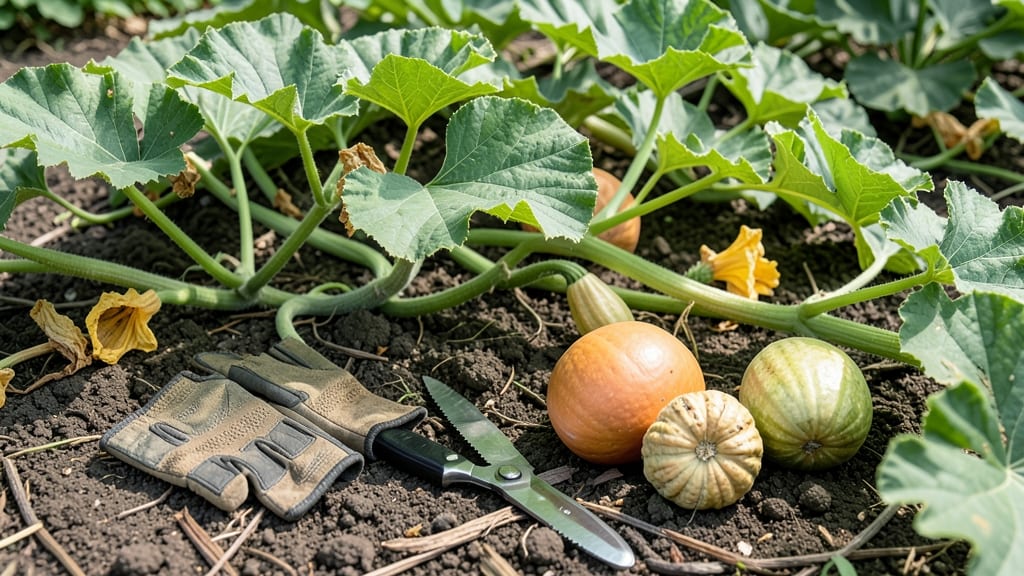
Knowing when to harvest butternut squash from the garden means the difference between a sweet, nutty flavor and a bland, watery mess—and the secret is watching for that seed color shift from white to tan.
Picture this: you’ve waited months for your vines to produce those long, ribbed beauties, only to wonder, "Is it ready yet?" Butternut squash harvest timing isn’t just about days after planting—it’s about visual and tactile cues that tell you the exact moment to pick.
In USDA Zone 6a, that window typically falls between late September and early October, but the real game-changer is the seed color. When the seeds inside turn from white to tan or brown, your squash is primed for harvest.
Combine that with a hard rind and a drying stem, and you’ve got the perfect recipe for a flavorful harvest.
Below, I’ll break down the foolproof way to spot these signs, plus how to store your squash so it stays fresh for months—no guesswork, just great-tasting results.
How to identify butternut squash harvest time using seed color changes
Timing your butternut squash harvest perfectly ensures sweet, flavorful fruit instead of bland or stringy disappointment. The most reliable indicator? Watching the seed cavity color shift from white to tan or brown—this change signals peak ripeness you can’t miss.
I’ve learned this trick after years of harvesting too early (watery texture) or too late (overripe flesh), so let me show you exactly what to look for.
Most gardeners focus on rind hardness or stem drying, but the seed color transformation is the foolproof method. When the seeds turn from creamy white to a warm tan or brown, that’s your cue to harvest within 1-2 days.
Pair this with other visual cues like a deep beige skin and a dry stem base for perfect timing every season.
| Harvest Stage | Seed Color | Rind Condition | Stem Condition | Action |
|---|---|---|---|---|
| Early | White/Creamy | Soft, easy to pierce | Green, fresh | Wait 2-3 weeks |
| Ideal | Tan/Brown | Hard, resists fingernail | Dry, papery | Harvest immediately |
| Overripe | Dark brown/black | Very hard, woody | Completely dried | Use immediately |
Here’s how I use this method in my garden: I check the seed cavity every 3-4 days during late summer. When I see that tan/brown shift, I immediately test the rind hardness by pressing with my thumbnail—if it doesn’t dent, it’s ready.
This two-step verification has saved me from harvesting underripe squash that tasted watery and overripe ones that were stringy.
Don’t overlook the stem condition either. A dry, withered stem means the squash has stopped growing and is ready to pick. If the stem is still green and flexible, give it another week.
I once harvested a batch with green stems and got disappointing flavor—now I double-check both seed color and stem condition every time.
Climate plays a role too. In cooler regions, butternut squash may mature slower, so start checking seeds earlier (around 90 days after planting). In warmer climates, they ripen faster—watch for that tan seed color by 80 days.
Last year, my early-maturing plants showed seed color changes by mid-September, while later varieties needed until October.
Pro tip: Use a sharp pruning shear to cut stems about 2 inches from the squash. Leave a small stem attached to prevent rot during post-harvest curing. I store my freshly harvested squash in a cool, dry place (50-55°F) where they’ll keep for months.
The key is acting on that seed color change—once you see it, time is short before the squash becomes overripe.
Remember, the seed color transformation is your best friend. When those seeds turn tan/brown, your butternut squash is at its peak—sweet, nutty, and perfect for roasting, soups, or baking. Ignore this cue, and you’ll miss the window for maximum flavor and texture.
For extra confidence, combine this method with the thumb test (hard rind) and stem dryness check. When all three signs align, you’ve got a foolproof system for harvesting perfectly ripe butternut squash every season. 🎃
Butternut squash harvesting mistakes that ruin your squash (and how to avoid them)
Harvesting butternut squash at the wrong time can turn your hard work into a watery, bland disappointment. I’ve seen gardeners rush the process, only to end up with squash that’s either too soft or stringy and tough.
The key is timing—especially the seed color shift from white to tan or brown, which signals peak ripeness.
Even if you’ve tracked the 100-day growth window, visual cues like rind hardness and stem drying are non-negotiable. Skipping these checks often leads to squash that stores poorly or spoils quickly. I’ll show you the three biggest mistakes and how to avoid them.
If you pick butternut squash when the rind is soft or the stem is still green, you’ll end up with a mushy texture and weak flavor.
The seed cavity should feel firm when pressed, and the skin should resist your fingernail. Early harvests also store poorly—expect spoilage within 1-2 weeks.
On the flip side, harvesting too late turns the flesh stringy and dry. Overripe squash loses sweetness and becomes tough, making it unappealing for cooking.
Look for a deep tan color and a dry, papery stem—these are your green lights for harvest. Ignoring these signs means wasting your garden’s bounty.
Another common mistake is damaging the vines while removing squash. Twisting or tearing the stem can introduce rot-causing bacteria into the squash. Always use a sharp knife or pruners to cut the stem 1-2 inches above the squash.
Leave a small stem stub to help the squash cure properly—this step alone extends storage life by weeks.
Proper curing after harvest is just as critical as timing. Place squash in a warm, dry spot (like a sunny windowsill) for 7-10 days to harden the rind.
Skipping this step means shorter storage life and softer squash. Once cured, store in a cool, dark place (50-55°F) where they’ll last 2-3 months.
Remember: One perfect squash beats a bushel of imperfect ones. Pay attention to the seed color, rind hardness, and stem condition, and your harvest will reward you with sweet, storable squash all season long. 🎃