
Picking
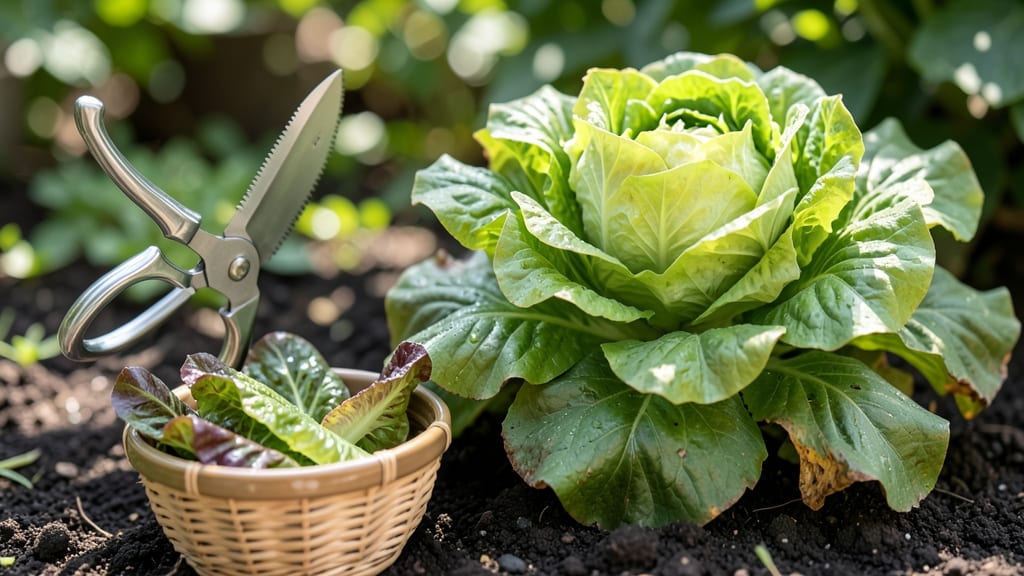
Garden lettuce is ready to pick when leaves reach 4–6 inches and feel crisp but not tough — timing this right keeps your harvest sweet and abundant.
Picture this: You’re about to enjoy a fresh salad, but your lettuce tastes bitter or the leaves are tough and stringy. That’s the difference between harvesting at the perfect moment and waiting too long.
The key is catching those leaves when they’re fully expanded but still tender, before they bolt or turn woody.
For spring and fall harvests in Zone 6a, aim to pick lettuce between 30–60 days after planting, depending on the variety. Loose-leaf types can be harvested leaf by leaf, while head lettuce should be cut at the base once the head is tight and vibrant.
Below, I’ll show you exactly how to check for readiness — from leaf size and texture to color cues — plus how to avoid common mistakes like bolting or bitterness. You’ll never second-guess your harvest timing again!
How to identify perfectly harvest-ready lettuce leaves (with visual cues)
Harvesting lettuce at the right moment transforms your garden into a crisp, flavorful bounty instead of bitter disappointment. The key lies in understanding visual maturity cues that differ between head lettuce (like romaine or iceberg) and loose-leaf varieties (such as buttercrunch or oakleaf).
For head lettuce, you'll want tightly packed leaves forming a compact shape, while loose-leaf types mature when individual leaves reach 4-6 inches in length. Even a 10-day delay can turn sweet lettuce into tough, bitter stems.
Start by examining leaf size and shape—this is your first indicator. For head lettuce, the outer leaves should form a closed, dome-like structure with no visible gaps. Loose-leaf types, on the other hand, mature when their outer leaves fully unfurl and reach their variety's typical width.
A quick way to test is to gently spread the leaves: if they spring back with firm resistance, they're ready. If they flop like wet paper, they need more time.
Color plays a crucial role too. Vibrant, deep green leaves signal peak maturity, while pale or yellowing edges mean stress (often from heat or drought). For varieties like red leaf lettuce, the intensity of red/purple hues should be consistent—dull colors suggest the plant is struggling.
Pro tip: Harvest in cool morning hours when lettuce is most crisp and flavorful, avoiding the midday heat that causes wilting.
| Maturity Cue | Head Lettuce | Loose-Leaf Lettuce | Days to Maturity |
|---|---|---|---|
| Leaf Size | Compact dome, 6-8" diameter | 4-6" individual leaves | 30-60 days |
| Leaf Texture | Crisp, firm outer leaves | Tender, non-fibrous | 25-40 days |
| Color | Deep green, uniform | Vibrant variety-specific hues | 35-50 days |
| Stem Firmness | Firm but not woody | Thickened base | 40-55 days |
| Flavor Test | Sweet, mild taste | No bitterness | Varies by variety |
🌱 Note: Harvest head lettuce when the head is fully formed but before the leaves start spreading outward.
Texture is where many gardeners make their first mistake. Firm, crisp leaves are the gold standard—squeeze a leaf gently between your fingers. If it feels tender but resistant, it's ready. If it collapses like a wet sponge, it's overripe.
For loose-leaf varieties, focus on the outermost leaves first—they'll be the most mature. A common error is waiting until the entire plant looks mature, which often means the center leaves are already tough and bitter by the time you notice.
Don't overlook the stem and base of your lettuce plants. For head varieties, the inner stems should be thick and white, not hollow or yellowing. In loose-leaf types, the base should show visible thickening but remain tender. If the stems feel woody or fibrous, you've waited too long.
This is especially critical for varieties like romaine, where the stem contributes significantly to texture and flavor. A quick test: cut a small section of stem—if it's pale green and firm, harvest immediately.
Seasonal timing affects maturity too. Lettuce grown in cooler spring or fall temperatures (below 75°F) develops sweeter, more tender leaves in just 30-40 days. In hotter summer months, even 60-day varieties may bolt before reaching full maturity.
If your lettuce starts sending up flower stalks, it's already past its prime. To avoid this, use shade cloth during summer or opt for heat-tolerant varieties like Jericho or Black Seeded Simpson, which can handle slightly warmer conditions.
One of the biggest myths is that you must harvest the entire plant at once. For loose-leaf varieties, you can pick outer leaves continuously, encouraging regrowth for weeks longer
Leaf-by-leaf harvesting techniques for continuous lettuce yield
Extending your lettuce harvest beyond a single cutting is entirely possible with the right techniques. By practicing leaf-by-leaf harvesting, you can enjoy fresh greens for weeks instead of days. This method works especially well with loose-leaf varieties, but even head lettuces can benefit when done carefully.
The key is timing—harvest outer leaves when they reach 4-6 inches while leaving the inner leaves to keep growing.
Proper spacing plays a huge role in successful continuous harvesting. Plant seeds 12-18 inches apart for head lettuce or 6-12 inches apart for loose-leaf varieties. This gives plants room to develop without competing for nutrients, which keeps them productive longer.
In small gardens, consider succession planting every 2-3 weeks to ensure a steady supply throughout the season.
Bolting—the process where lettuce sends up a flower stalk—is the biggest threat to continuous harvests. To prevent it, keep your plants well-watered and avoid heat stress by providing afternoon shade during hot months. Mulching with straw helps maintain even soil moisture and temperature, creating ideal conditions for prolonged leaf production.
Leaf-by-Leaf Harvesting: Pros & Cons
Pros
- ✅ Extended harvest (weeks vs days)
- ✅ Prolonged production (2-3 harvest cycles)
- ✅ Reduced waste (use entire plant)
- ✅ Ideal for loose-leaf varieties
Cons
- ❌ Risk of bolting if over-harvested
- ❌ Requires spacing (not ideal for small plots)
- ❌ Head lettuce may not regrow well
- ❌ More frequent monitoring needed
💡 Tip: For head lettuce, harvest by cutting 1 inch above the base—this encourages regrowth better than leaf-by-leaf for some varieties.
When harvesting, always use a clean, sharp knife or scissors to avoid damaging the plant. For loose-leaf varieties, simply snip the outer leaves at their base, leaving the inner growth intact. With head lettuce, cut the entire head 1 inch above the soil when the outer leaves are mature.
This method works best with varieties like Buttercrunch or Romaine, though regrowth may be limited compared to loose-leaf types.
For the longest harvest season, choose heat-tolerant varieties like Jericho or Black Seeded Simpson. These can handle warmer temperatures better than traditional types, allowing you to extend your harvest into early summer or late fall.
Pair them with drip irrigation to maintain consistent moisture without overwatering, which can lead to disease or bolting.
One common mistake is harvesting too aggressively, which stresses the plant and triggers bolting. Never remove more than one-third of the plant at once, and always leave at least 3-4 inner leaves to continue photosynthesis.
In cooler climates, you can often get two full harvests from a single planting by following these guidelines.
With the right approach, leaf-by-leaf harvesting transforms lettuce from a short-term crop into a season-long producer. The key is balance—harvest enough to enjoy fresh greens while leaving enough behind to keep growing.
Start with loose-leaf varieties for the easiest experience, then experiment with head types once you're comfortable with the technique.