
Shrubs
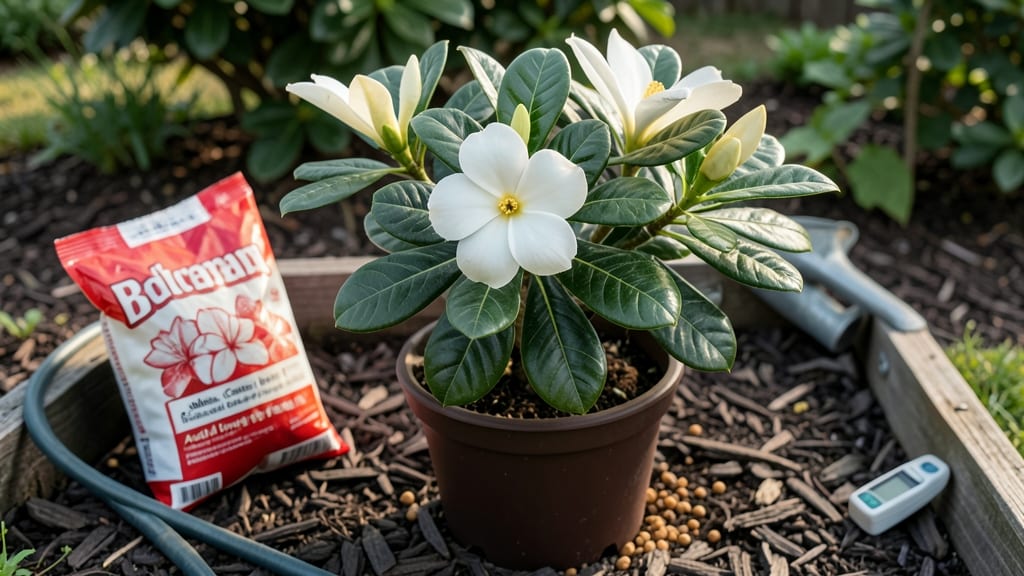
Fertilizing gardenias at the right times 🌸—like early spring and mid-summer—is the secret to those glossy leaves and fragrant blooms you’ve been dreaming of.
Picture this: You’ve just pruned your gardenia, and new leaves are unfurling like little green flags of hope. That’s your cue—skip the guesswork and feed them now, or risk ending up with half-hearted growth and sparse flowers.
We’ve all been there, watching our plants put on a lackluster show because we missed the window.
Timing isn’t just about throwing fertilizer on the soil whenever you think of it.
Gardenias thrive on a schedule tied to their natural cycles: a light feeding in spring to kickstart growth, a stronger dose in summer to fuel blooms, and a gentle touch in fall if they’re still showing signs of life. And if you’re in a warmer climate?
The rules tweak just enough to keep your gardenia happy year-round.
Below, I’ll break down the exact months to fertilize—plus how to spot when you’ve overdone it (burnt leaves are a dead giveaway) and how to pick the right fertilizer for your soil. No more guessing, just lush, blooming gardenias that smell like a tropical vacation.
Best times to fertilize gardenias for maximum blooms & growth
Timing your gardenia fertilization is everything—think of it like feeding a picky eater at the right times. Too early or too late, and your plant might reject the nutrients, leading to weak growth or even nutrient burn.
The key is matching fertilizer applications to your gardenia's natural growth cycles, which align closely with seasonal changes. In temperate climates, this means focusing on spring and summer, while tropical gardenias may need year-round adjustments.
Let's break down the best months and why they matter for your plant's flower production and foliage health.
Gardenias are heavy feeders during their active growing season, which typically runs from early spring through late summer. This is when they're pushing out new leaves, stems, and—most importantly—those fragrant blooms we all love.
However, fertilizing at the wrong time can stress the plant, especially when it's already blooming or preparing for dormancy. The goal is to support root development in early season and flower bud formation later on, without overloading the system.
In temperate zones, the first fertilization of the year should happen in late April or early May, right after your last frost date. This is when gardenias wake up from dormancy and begin producing new leaves—a clear sign they're ready for nutrients.
Use a balanced fertilizer (like 6-6-6) to encourage overall growth. I like to apply it after pruning, as the fresh cuts help the plant absorb nutrients more efficiently.
This early feeding sets the stage for strong stems and healthy foliage, which directly impacts your plant's ability to produce fragrant blooms later in the season.
By mid-summer (June-July), shift your focus to supporting flower production. Gardenias need a slightly different nutrient profile now—one that's higher in phosphorus to promote blooming.
Look for a fertilizer with an 8-3-9 NPK ratio or similar, which provides that phosphorus boost without overloading the plant with nitrogen (which can lead to leafy growth at the expense of flowers). Apply this fertilizer every 4-6 weeks, but always water it in thoroughly to prevent root burn.
I've found that fertilizing in the early morning gives the roots time to absorb nutrients before the heat of the day.
Fall fertilization is tricky with gardenias. In temperate climates, most gardeners skip fall feeding entirely, as the plant begins preparing for dormancy. However, if you notice new growth appearing in September, a light feeding can encourage stronger roots before winter.
In tropical climates, where gardenias may continue growing year-round, you can maintain a lighter feeding schedule through fall, but reduce it significantly by October. The key is
How to choose the right fertilizer for gardenias (and when to apply it)
Choosing the right fertilizer for your gardenias is like selecting the perfect perfume—it needs to match their unique needs. These acid-loving shrubs thrive on specific nutrients that encourage their signature fragrant blooms and glossy leaves.
The wrong fertilizer can lead to yellowing leaves or sparse flowering, so let’s break down your options to keep your gardenias looking their best.
First, consider the NPK ratio—the numbers on fertilizer bags that indicate nitrogen, phosphorus, and potassium. Gardenias prefer a balanced formula like 6-6-6 or a bloom-focused 8-3-9. High-nitrogen fertilizers (like 10-0-0) will produce lush foliage but fewer flowers, while too much phosphorus can harm their roots.
Always opt for acid-forming fertilizers to maintain their ideal soil pH of 5.0–6.0.
When to Fertilize Gardenias: Pros & Cons
✅ Pros: Boosts new growth after dormancy
❌ Cons: Overdoing it can cause root burn
✅ Pros: Supports bloom production
❌ Cons: Avoid fertilizing during heatwaves
✅ Pros: Light feed encourages root strengthening
❌ Cons: Too late can stimulate late growth
✅ Pros: None (dormant period)
❌ Cons: Fertilizing can harm dormant roots
🌸 Tip: Always water thoroughly before and after applying fertilizer to prevent root burn.
Now, let’s compare organic vs. synthetic fertilizers. Organic options like fish emulsion, compost tea, or cottonseed meal release nutrients slowly, improving soil health over time. They’re ideal for gardenias because they mimic natural conditions and won’t disrupt their delicate root systems.
Synthetic fertilizers, on the other hand, provide quick results but require careful measurement to avoid over-fertilizing.
For granular fertilizers, sprinkle 1 tablespoon around the drip line (the outer edge of the plant’s canopy) and water it in. This method is great for slow-release nutrients.
If you prefer liquid fertilizers, dilute according to package instructions and apply every 4–6 weeks during the growing season. Always avoid contact with leaves to prevent chemical burns.
Timing is everything! Apply your first feeding in early spring (after pruning) to jumpstart growth, then again in mid-summer to support blooming. Skip fertilizing in winter—your gardenias are dormant and don’t need extra nutrients.
And remember, less is more: it’s better to under-fertilize than to overdo it and risk damaging your fragrant beauties.
With the right fertilizer and timing, your gardenias will reward you with abundant blooms and vibrant foliage all season long. Happy gardening! 🌿