
How To
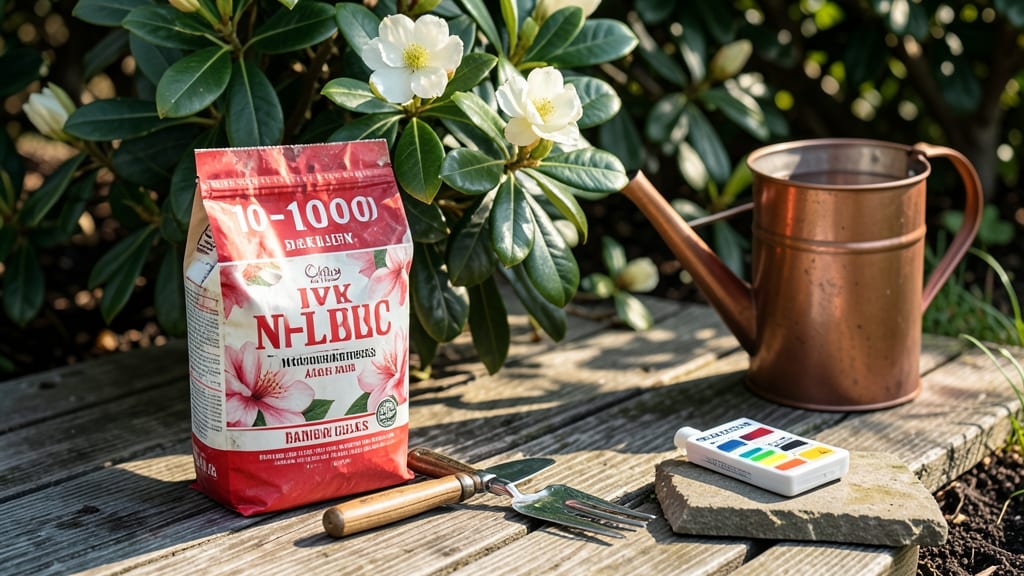
To fertilise gardenias at the right time means catching two critical windows: early spring for new growth and late summer to fuel blooms, or you’ll end up with weak stems or sparse flowers.
Picture this: your 🌸 gardenia bursts into fragrant white blooms by summer, only to fizzle out by fall—because you missed the post-bloom feed that keeps it thriving. Or worse, you overdo it in winter and burn the roots. The timing isn’t just about months; it’s about reading your plant’s cues.
In General (Tropical/Subtropical Preferred) zones, gardenias crave a light feed in spring (think March–April) and a stronger one in late summer (August–September) to sustain their showy displays.
But if you’re in cooler climates, adjust for dormancy—indoor plants need a break in winter, while outdoor ones in zones 9–11 keep a steady, lighter schedule.
Below, I’ll break down the exact month-by-month schedule, the signs your gardenia is hungry (or overfed), and how to pick the right fertiliser—whether you’re team organic or synthetic—for year-round vibrancy.
The optimal fertilising schedule for gardenias: spring flush & post-bloom timing explained
Gardenias thrive on a precise fertilising schedule that aligns with their natural growth cycles. The two most critical windows are spring flush and post-bloom in late summer, each requiring different nutrient approaches.
Timing matters because gardenias are sensitive to over-fertilisation, which can burn roots or stunt blooms. My experience shows that mastering these windows transforms a struggling gardenia into a fragrant powerhouse.
In spring, focus on balanced NPK ratios (like 10-10-10) to fuel new growth and bud formation. This is when your gardenia wakes from dormancy and needs a gentle nutrient boost to support leaf expansion and flower buds.
Skip this step, and you’ll miss the peak blooming season later in the year. For gardenias in USDA zones 9-11, this means fertilising as soon as soil temperatures rise above 60°F.
| Fertilising Window | Key Nutrient Focus | Recommended Fertiliser Type | Climate Zone Adjustments |
|---|---|---|---|
| Spring Flush (March–April) | Nitrogen (N) for foliage + Phosphorus (P) for roots | Balanced 10-10-10 or organic compost | Zones 9-11: Fertilise after last frost. Zones 7-8: Wait until soil warms to 60°F. |
| Post-Bloom (August–September) | Potassium (K) for blooms + Magnesium for green leaves | Low-nitrogen 5-10-10 or Epsom salt (for Mg) | Tropical zones: Extend to October. Cooler zones: Stop by September. |
| Winter Dormancy (October–February) | None (rest period) | Avoid all fertilisers; focus on mulching | Indoor gardenias: Reduce to half-strength feed every 8 weeks. |
The post-bloom fertilising window in late summer is just as critical. After your gardenia’s main blooming season (typically June–July), it needs a potassium-rich feed (like 5-10-10) to replenish nutrients lost during flowering.
This is when gardenias in tropical climates can produce a second flush of blooms if given the right care. In cooler zones, this window shrinks to just August, as the plant prepares for dormancy.
For organic gardeners, composted pine needles or worm castings work wonders in spring, while a liquid seaweed extract in late summer boosts potassium without risking root burn. Synthetic fertilisers like Osmocote Plus (15-9-12) offer convenience but require careful measurement—never exceed 2 tbsp per plant in one application.
My gardenias respond best to a half-strength feed every 6 weeks during active growth.
Climate plays a huge role in timing. In USDA zone 10, where I garden, I fertilise gardenias year-round but reduce frequency in winter. For gardeners in zone 7 or colder, container-grown gardenias need a protected winter spot and fertiliser only from April to September.
The key is to match your schedule to your gardenia’s growth signals, not just the calendar.
Watch for new leaf growth in spring—this is your cue to fertilise. In late summer, yellowing leaves or dropping buds signal a need for potassium. Over-fertilising shows up as crispy leaf edges or stunted growth, so always water thoroughly after applying fertiliser to prevent root burn.
My rule of thumb: less is more with gardenias.
Pro tip: Mix Epsom salt (1 tbsp per gallon of water) into your late-summer feed to prevent magnesium deficiency, a common issue that causes yellowing between leaf veins.
This simple adjustment has kept my gardenias lush and blooming for over a decade. Pair it with regular pruning after flowering to encourage next year’s buds.
Finally, adjust your schedule for container-grown gardenias, which dry out faster and need more frequent but lighter feeds. Use a slow-release fertiliser like Osmocote granules, applying it once every 3 months instead of monthly.
This mimics natural nutrient release and reduces the risk of over-fertilisation in small pots. With this precise timing, your gardenias will reward you with velvety blooms and intoxicating scent all season long.
🌸
Signs your gardenia needs fertiliser (and when to avoid it)
Your gardenia might be whispering for help if its leaves turn yellow between the veins—a classic nitrogen deficiency sign. Look closer: pale, sparse new growth or fewer blooms than usual?
These are red flags that your plant’s nutrient reserves are running low. Gardenias thrive on balanced nutrition, but overdoing it can backfire just as badly.
On the flip side, brown leaf tips or dropping buds often mean you’ve overfed. Too much synthetic fertilizer can burn roots, while organic buildup in the soil may disrupt microbial balance.
The key is timing: fertilize when your gardenia is actively growing, not during its dormant phase or right after pruning.
⚠️ When NOT to Fertilise Gardenias
- Winter months (USDA Zones 9-11): Plants rest; skip feeding entirely.
- After pruning (wait 6–8 weeks for new growth to form).
- During drought or waterlogged soil (fertilizer burns roots faster).
- Newly planted gardenias (first 3 months—let roots establish first).
Pro Tip: Always water thoroughly 24 hours before fertilizing to prevent root shock.
Start with a soil test to check pH (5.0–6.0 is ideal for gardenias). If your plant shows yellowing leaves but the veins stay green, it’s likely iron chlorosis—common in alkaline soils.
Amend with chelated iron or composted pine needles to restore balance. For sparse blooms, switch to a phosphorus-rich fertilizer (like 10-20-10) to encourage flowering.
Seasonal cues matter: Spring is prime time for a light feed (after last frost) to kickstart growth, while late summer (after blooming) is ideal for a potassium boost to strengthen roots.
In tropical zones, you can fertilize lightly every 6–8 weeks year-round, but northern gardeners should pause by October to avoid winter stress.
Mistake alert: High-nitrogen fertilizers (like lawn food) will give you leafy growth at the expense of flowers. Gardenias need a balanced NPK ratio (e.g., 8-3-9) to produce those velvety white blooms.
If your plant’s leaves curl or drop after feeding, flush the soil with water to dilute excess salts.
Keep a seasonal checklist handy: March–May (growth phase), June–August (bloom phase), and September–November (hardening phase). Adjust your approach based on your gardenia’s location—indoor plants may need monthly feeding year-round, while outdoor plants can rest in winter.
Listen to your plant, and it’ll reward you with fragrance and color all season long. 🌸