
Container Gardens
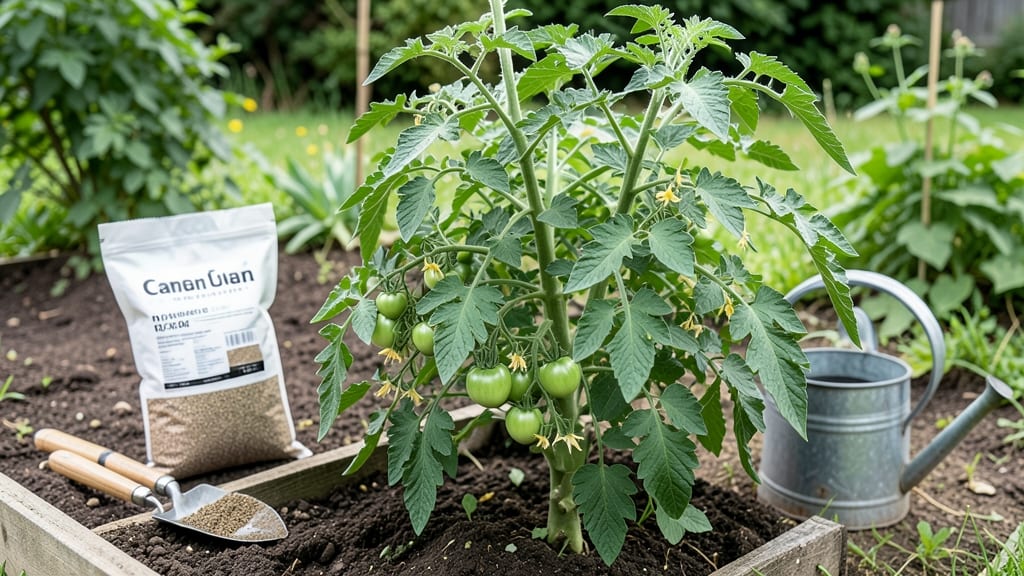
To add fertilizer to your garden, time it with soil tests and plant growth stages: apply in early spring before planting, mid-season for flowering plants, and after harvest for vegetables. Avoid over-fertilizing during dormancy or extreme heat.
Timing matters more than you might think—fertilizing at the wrong moment can actually harm your plants. 🌱 For instance, nitrogen-heavy fertilizers in late summer might encourage leafy growth but delay flowering, while phosphorus boosts in early spring help root development before blooming season.
I always start with a soil test to check nutrient levels, as this tells me exactly what my garden needs—whether it's a quick nitrogen fix or a slow-release potassium boost for winter hardiness.
What's interesting is how different plants respond: vegetables like tomatoes thrive with a mid-season phosphorus kick to support fruit production, while perennials often do best with a light feeding in early spring and again in fall.
The key is matching the fertilizer's purpose to your plants' current growth phase—never assuming one size fits all.
💡 In This Article
- How Soil Tests Determine Fertilizer Timing
- Best Fertilizer Application Schedules by Plant Type
How soil tests determine fertilizer timing
Soil tests reveal the hidden story of your garden's health by measuring three critical nutrients: nitrogen (N), phosphorus (P), and potassium (K). These elements work together like a symphony—nitrogen fuels leafy growth, phosphorus strengthens roots and flowers, while potassium boosts disease resistance.
A test also shows your soil's pH level, which affects nutrient availability. For example, acid-loving plants like blueberries need pH 4.5-5.5, while most vegetables thrive at 6.0-7.0. If your test shows low phosphorus, you'll want to apply bone meal in early spring when roots are establishing.
The timing window for fertilization opens when your soil's nutrient levels drop below optimal ranges. Most tests provide a color-coded map showing deficiencies (red), adequate levels (green), or excesses (yellow).
For instance, if potassium is deficient (100 ppm), a light application of greensand or wood ash in late summer can prevent winter stress.
What's fascinating is how seasonal temperature shifts impact nutrient uptake—cool spring soil slows microbial activity, meaning fertilizers like compost take 4-6 weeks to become plant-available, while summer heat accelerates the process to just 2-3 weeks.
Here's where most gardeners go wrong: they fertilize based on calendar dates rather than soil conditions. A soil test taken in early spring might show adequate nitrogen, meaning your tomato plants don't need that mid-May application of blood meal.
The test also reveals whether your soil has built-up salts from previous fertilizers, which can actually inhibit water uptake. In my raised beds, I've seen cases where over-fertilizing with synthetic mixes led to crispy leaf edges—until I adjusted based on test results to organic options like fish emulsion.
Consider these key factors when interpreting your test results:
- Nitrogen (N): Critical for leafy greens but can cause excessive growth if applied too late in the season (think lush foliage but few tomatoes)
- Phosphorus (P): Essential for flowering—apply 4-6 weeks before blooming for best results with annuals
- Potassium (K): Builds cold resistance—apply 6-8 weeks before first frost for perennials
The most precise timing comes from understanding your soil's "nutrient budget." For example, sandy soils drain quickly and may need bi-weekly light applications, while clay soils can hold nutrients for months.
I once had a container garden where the soil test showed high phosphorus—until I realized the previous gardener had been using bone meal annually. The plants weren't thriving because the excess phosphorus was locking out other nutrients!
Remember that soil tests aren't just about deficiencies—they reveal opportunities. If your test shows high organic matter (>strong>5%), you can reduce synthetic fertilizers and focus on mulching.
The key is to fertilize when plants are actively growing and can utilize nutrients, not when they're dormant or stressed by heat or cold. This precision approach means healthier plants and less wasted fertilizer—both for your wallet and the environment. 🌱