
Tools
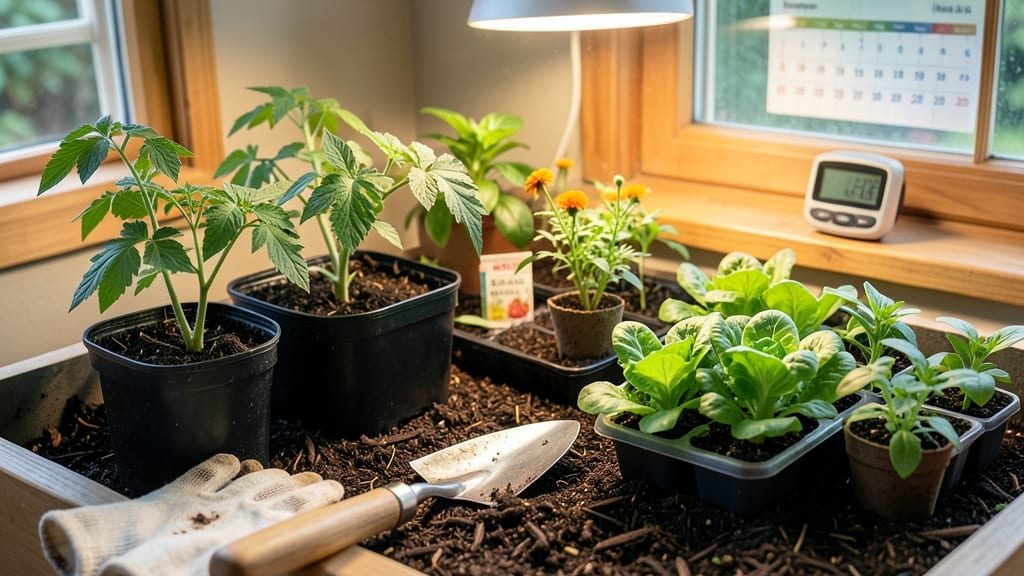
The best time to start planting a garden depends on your climate zone: warm-season crops like tomatoes thrive after the last frost (late spring), while cool-season veggies such as spinach grow best in early spring or fall. Check your USDA zone for precise timing and prepare soil 4-6 weeks beforehand.
Timing your garden starts with knowing your USDA hardiness zone and local frost patterns. Warm-weather plants like peppers and cucumbers can't handle chilly soil, while hearty greens like kale actually prefer cooler temperatures.
I always recommend checking your local agricultural extension office for exact frost dates—they're the gold standard for planning. Soil prep is just as critical: adding compost or aged manure 4-6 weeks before planting gives nutrients time to integrate without burning tender roots. 🌱
Pro tip: If you're in a transitional zone (like Zone 7), consider using row covers or cold frames to extend your growing season for both warm and cool crops.
This flexibility lets you grow more throughout the year while avoiding the common mistake of planting too early when frost is still a risk.
💡 In This Article
- Understanding Your USDA Planting Zone and Frost Dates
- Preparing Garden Soil for Seasonal Planting Success
Understanding your USDA planting Zone and frost dates
Frost dates are the invisible clock that dictates your planting calendar. The last spring frost marks when warm-season crops like tomatoes and peppers can safely go into the ground, while the first fall frost signals when cool-season plants like broccoli and lettuce should be harvested or protected.
These dates vary dramatically—Zone 1 (Alaska) might see its last frost in mid-June, while Zone 10 (Southern California) could plant warm crops year-round. The USDA zone system (1-13) maps average minimum winter temperatures, but frost dates are more critical for planting timing.
Here's how to find your precise frost dates: Check the National Oceanic and Atmospheric Administration (NOAA) frost probability maps or contact your local cooperative extension service—they provide 10-year averages for your exact location.
For example, in Zone 6 (Midwest), the last frost typically occurs around April 15-May 1, while first fall frost hits October 15-November 1. This 180-day window gives you your primary growing season for warm crops. 🌿
The science behind frost timing involves soil temperature more than air temperature. Most warm-season plants need soil to reach at least 60°F before planting—cool soil slows germination and root development.
That's why you'll often see recommendations to wait until two weeks after the last frost date when planting heat-loving crops like basil or eggplant. Cool-season plants, however, can handle soil temperatures as low as 40°F and even light frosts (like spinach, which actually tastes sweeter after frost).
What most gardeners overlook is how microclimates create exceptions within zones. A south-facing slope warms up faster than a north-facing area, potentially creating a 2-3 week difference in frost dates just feet apart. Urban areas also experience "heat islands" that delay first frosts by 1-2 weeks compared to rural surroundings.
This is why professional gardeners always recommend testing your own soil temperature with a soil thermometer rather than relying solely on zone averages.
For those in transitional zones (like Zone 7), extending your growing season requires strategic planning. Cold frames can push spring planting back by 3-4 weeks, while row covers add 4-8°F of protection against early frosts.
I've seen gardeners in Zone 8 successfully grow tomatoes through winter by combining row covers with black plastic mulch—this raises soil temperatures by 10-15°F while protecting against light frosts. The key is matching your protection method to your specific frost probability data.
Pro tip: Bookmark your local frost-free date calculator (many extension services offer free tools) and set calendar reminders for your zone's critical dates. I keep mine on my phone's home screen so I never miss the 4-6 week soil prep window before my first planting date.
This advanced planning gives your plants the best possible start—whether you're dealing with Zone 2's short season or Zone 10's extended growing opportunities.