
Planting
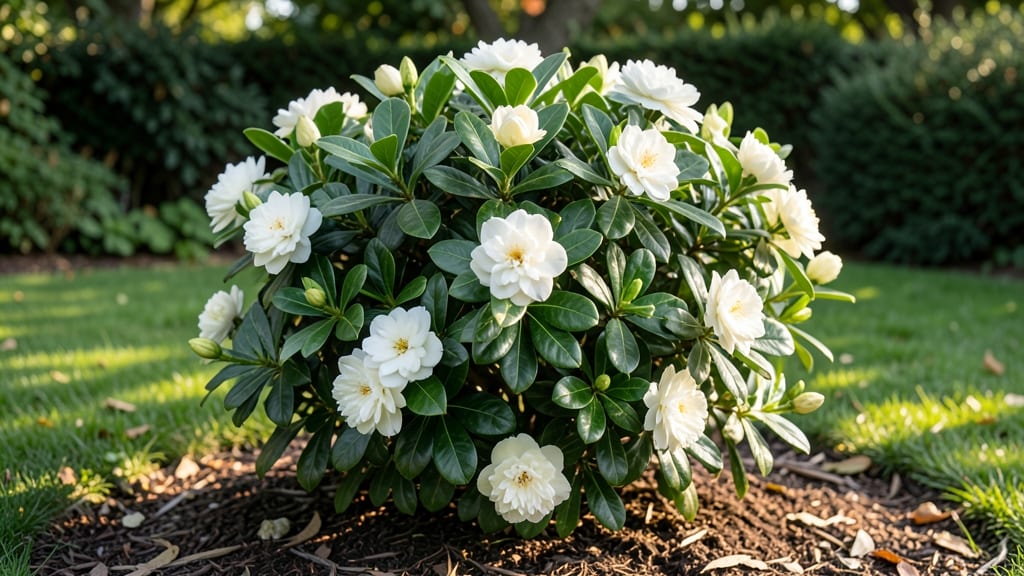
Gardenia bushes thrive in USDA Zones 8 through 11, where winter temperatures rarely drop below 10°F (-12°C). Outside these zones, they require winter protection or container cultivation to survive colder climates.
Understanding gardenia bush zones means recognizing their delicate balance between warmth and dormancy.
These tropical beauties struggle when nighttime temperatures dip below 40°F (4°C), which can trigger leaf drop or even plant death. 🌸 The key is maintaining consistent warmth—their natural habitat mimics Zone 11's climate, so they simply can't tolerate prolonged cold snaps.
For gardeners in Zones 7 or below, container growing with winter indoor relocation becomes essential, as gardenias can't recover from repeated frost exposure.
What's fascinating is how their flowering responds to temperature cues. Gardenias need a specific chilling hour threshold—too many cold hours can delay blooms, while sudden warmth spikes stress the plant.
This is why I always monitor my garden's microclimate, especially in transitional zones like Zone 8 where late frosts still occur. The right balance means more fragrant blooms and healthier growth throughout the season.
💡 In This Article
- How USDA Zones Affect Gardenia Bush Growth
- Cold-Proofing Gardenia Bushes in Marginal Zones
How USDA zones affect gardenia bush growth
Gardenia bushes originate from tropical and subtropical regions where temperatures rarely fall below 60°F (15°C) year-round. Their growth patterns are directly tied to these warm conditions—their large, glossy leaves and thick stems are adaptations to conserve moisture in humid climates.
When exposed to temperatures below 50°F (10°C) for extended periods, their metabolic processes slow dramatically, leading to stunted growth or leaf drop. This is because gardenias lack the cold-hardy mechanisms found in temperate plants, like anti-freeze proteins in their cells.
The real magic happens in their flowering cycle, which is triggered by specific temperature cues. Gardenias require 10-12 hours of daylight combined with warm nights (70-75°F/21-24°C) to initiate bud formation.
However, they also need a brief period of cooler temperatures (60-65°F/15-18°C) during the day to prevent premature bud drop.
This delicate balance explains why they struggle in Zones 7 and below—frost can kill buds outright, while erratic temperature swings confuse their natural rhythms. 🌸 In Zone 8, gardenias often enter a semi-dormant state during winter, which is why they may drop leaves but can recover with proper protection.
What most gardeners don't realize is that gardenias actually perform better in Zone 10-11 climates where they receive consistent warmth year-round. In these zones, they can grow as large as 6-10 feet tall with abundant flowering from spring through fall.
The key difference is their ability to maintain active growth without stress—something impossible in colder zones without artificial protection. This is why container growing becomes essential in marginal zones: it allows you to move the plant indoors before temperatures drop below 40°F (4°C), mimicking their tropical habitat.
Another critical factor is soil temperature. Gardenias are particularly sensitive to cold soil, which can cause root damage even if air temperatures are mild.
The ideal soil temperature for root growth is 70-75°F (21-24°C), which is why heavy mulching (3-4 inches) with organic matter becomes crucial in transitional zones. This insulating layer helps maintain root-zone warmth and prevents the temperature fluctuations that trigger stress responses in the plant.
Without this protection, gardenias in Zone 7 or colder will often exhibit yellowing leaves and poor flowering—signs of chronic cold stress.
Interestingly, gardenias also respond to humidity levels, which are often lower in northern climates. Their native habitats maintain 60-80% relative humidity, which helps prevent leaf scorch—a common issue in dry climates.
This is why indoor gardeners in colder zones often need to supplement with humidifiers or misting systems during winter months when indoor heating dries the air.
The combination of proper temperature management and humidity control can make the difference between a struggling plant and one that thrives in marginal zones. ✨