
Planting
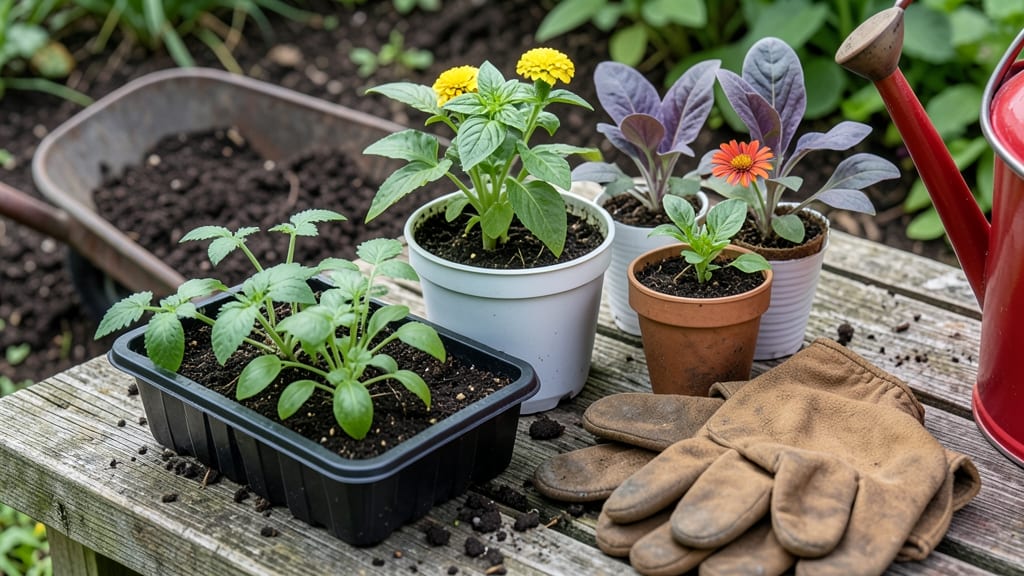
The best time to plant a garden is after your last frost date — when soil warms up and the risk of frost has passed for good.
Timing your garden planting wrong can mean wasted seeds, stunted growth, or even total crop failure—but knowing your local frost dates puts you ahead of 90% of gardeners.
Whether you're growing cool-season veggies like lettuce or warm-season favorites such as tomatoes, the right window makes all the difference. Below, I break down how to align your planting with your zone, adjust for early/late frosts, and maximize your harvest.
From USDA zone maps to month-by-month guides, you’ll learn how to turn your garden into a thriving, year-round success—no guesswork required.
How to find your planting zone and frost dates
Knowing your planting zone and frost dates is like having a gardening GPS—it tells you exactly when to plant for maximum success. Without this info, you might be planting tomatoes too early or lettuce too late, risking poor growth or total crop failure.
The good news? Finding these details is easier than ever with free online tools and a few simple steps.
First, locate your USDA Plant Hardiness Zone by entering your ZIP code into the official USDA Zone Map. This zone (like Zone 6a) determines which plants can survive your winter's coldest temperatures.
For example, zone 5 gardeners can grow hardy perennials like coneflowers, while zone 9 gardeners might focus on citrus trees that thrive in milder winters.
Next, find your average last frost date—the critical marker for when warm-season crops like peppers and beans can safely go into the ground. Tools like the National Oceanic and Atmospheric Administration (NOAA) or Almanac's Frost Calculator provide this data based on your location.
Pro tip: Bookmark these tools—they’ll save you hours of guesswork each season!
Here’s a quick breakdown of what these zones and frost dates mean for your garden: warm-season crops need to wait until after the last frost, while cool-season crops like spinach or kale can handle a light frost and may even thrive with early planting.
Understanding these timelines helps you avoid wasted seeds and stunted plants.
| Planting Factor | Zone 5 | Zone 7 | Zone 9 |
|---|---|---|---|
| Last Frost Date | Mid-May | Mid-April | Mid-February |
| First Frost Date | Mid-September | Mid-November | Mid-December |
| Warm-Season Planting Window | After May 15 | After April 15 | After February 15 |
| Cool-Season Planting Window | March-April or Sept-Oct | Feb-April or Sept-Oct | Oct-Nov or Jan-Feb |
| Example Crops for Zone | Potatoes, Peas, Zucchini | Tomatoes, Basil, Okra | Peppers, Eggplant, Melons |
🌱 Note: Adjust planting dates by 2-4 weeks if your microclimate varies (e.g., urban heat islands or valley frosts).
Once you’ve pinpointed your zone and frost dates, use them to create a planting schedule tailored to your area.
For instance, in Zone 6a (like my garden!), I plant cool-season crops like broccoli in early spring and again in late summer, while warm-season crops like cucumbers wait until after the last frost in mid-May. This strategy maximizes my growing season and minimizes wasted effort.
Don’t forget to account for microclimates—your backyard might be warmer or colder than the official zone due to factors like sun exposure, wind patterns, or nearby water bodies.
For example, a south-facing slope might warm up faster than the rest of your yard, allowing you to plant tomatoes a week earlier. Observe your garden’s unique conditions for a few years to refine your timing.
For extra precision, check local weather records or ask experienced gardeners in your area—they’ve likely noticed patterns that official data might miss. Apps like PlantNet or Gardenate also sync with your location to provide real-time planting advice.
The more data you gather, the more confident you’ll feel about your planting decisions!
Remember, the best time to plant isn’t just about frost dates—it’s also about soil temperature. Warm-season crops like squash need soil temps of at least 60°F to germinate, while cool-season crops like carrots can handle cooler soil.
Use a soil thermometer to double-check before planting. This small tool can save you from waiting too long or planting too soon.
Finally, keep a
Best planting times by vegetable type (zone-specific guide)
Planting your garden at the right time ensures healthy growth and bountiful harvests. Cool-season crops like lettuce and spinach thrive in spring and fall, while warm-season crops such as tomatoes and peppers need warm soil and air to germinate.
Your USDA zone and local frost dates determine the perfect window—typically 2-4 weeks after the last frost for warm-season plants.
For example, in Zone 6a, most gardeners plant cool-season crops in early spring (March-April) and again in late summer (August-September). Warm-season crops, however, wait until mid-May to June when soil temperatures consistently stay above 60°F.
Use this guide to align your planting schedule with your zone’s climate patterns.
If you’re in a warmer zone (e.g., Zone 8-10), adjust your schedule by 4-8 weeks earlier for spring planting and 2-4 weeks later for fall. For example, tomatoes in Zone 10 can be planted as early as February, while lettuce may thrive year-round with minimal frost risk.
Always check your local frost dates—they’re the golden rule for timing.
For successful planting, start seeds indoors 4-6 weeks before the last frost date for warm-season crops.
This gives seedlings a head start and ensures they’re ready to transplant when conditions are ideal. Direct sowing (planting seeds outdoors) works best for cool-season crops like peas and radishes, which germinate quickly in cooler soil.
Pro tip: Use row covers or cold frames to extend your growing season for frost-sensitive plants. This lets you plant earlier in spring or later in fall without risking damage. Just remove covers when plants are established to prevent overheating.
Remember, soil temperature matters more than air temperature. Use a soil thermometer to confirm conditions before planting. For most warm-season crops, wait until soil reaches 60°F—cold soil can delay germination for weeks. Happy planting! 🌱