
Plants
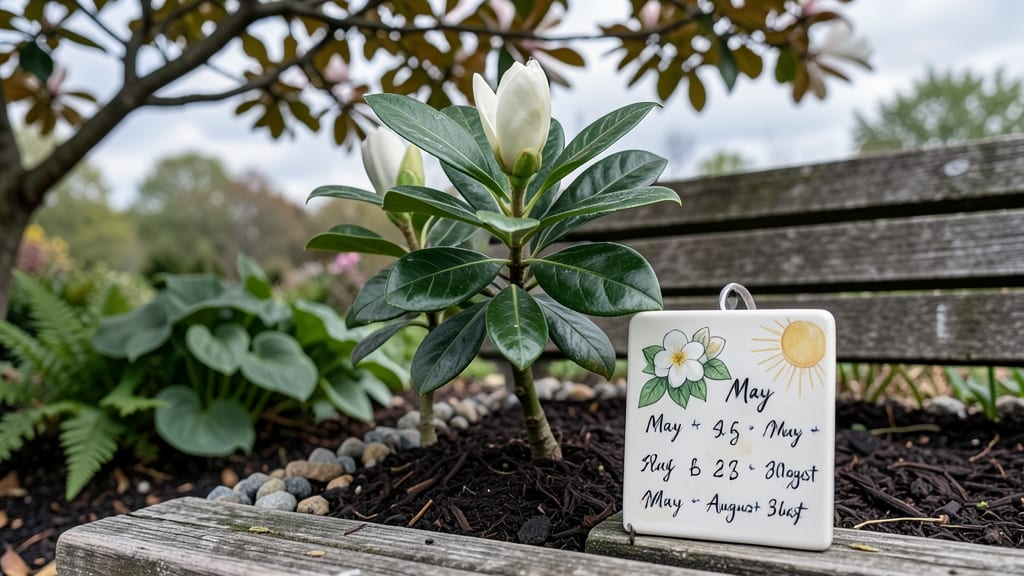
Gardenia plants bloom in late spring through summer 🌸, but the exact timing depends on your climate zone and a few key care tricks most gardeners overlook.
If you’ve ever waited months for those fragrant white flowers—only to be met with stubborn green leaves—you’re not alone. The truth is, gardenias follow a precise blooming schedule shaped by sunlight, temperature, and even soil acidity.
Miss the right conditions, and you might end up with a lush shrub that never opens up.
In warmer zones like Florida or Southern California, gardenias often burst into bloom as early as May, while cooler regions like Zone 6a may not see flowers until July or August.
The difference comes down to heat triggers and proper winter care, which I’ll break down by region so you can align your plant’s schedule with nature’s cues.
Here’s what you’ll discover: the month-by-month blooming timeline for your zone, how to adjust watering and fertilizer to speed up flowers, and the one pruning mistake that kills blooms before they even start. Let’s get those gardenias flowering on schedule!
Gardenia blooming timeline by USDA climate zones: exact months to expect flowers
Gardenias thrive in warm climates, but their blooming schedule varies dramatically by USDA zone. In Zone 7, you’ll see buds form as early as late April, while gardeners in Zone 11 might enjoy year-round blooms with proper care.
Temperature shifts—especially consistent warmth above 60°F—trigger bud development, but regional microclimates can shift these windows by weeks.
For example, gardenias in Florida’s humid heat (Zone 10-11) may bloom year-round with minimal dormancy, while those in Southern California’s Mediterranean climate (Zone 9-10) peak in late spring to early summer. Even within a single zone, elevation or coastal breezes can delay or advance blooms by 2-4 weeks.
Understanding your zone’s early, peak, and late-season blooming periods helps you time pruning, fertilizing, and even pest control. A gardenia in Zone 8 might start blooming in May but fade by July without proper care, while a Zone 11 plant could reward you with flowers in every season.
Here’s how to adjust your care based on where you garden:
In Zone 7, gardenias rely on spring warmth to break dormancy, so avoid pruning until after the last frost date—typically mid-April.
If you live in Zone 8 or 9, you’ll notice a longer blooming window, but late-season flowers often fade by September unless you provide winter protection like a thick mulch layer.
Gardeners in Zones 10-11 enjoy the longest blooming periods, but humidity and pests become major challenges. In Florida, for instance, gardenias may bloom year-round, but fungal diseases like powdery mildew thrive in the heat. To combat this, space plants for air circulation and avoid overhead watering.
California’s Zone 9-10 gardenias often bloom later than their Florida counterparts due to
5 Critical factors that delay or speed up gardenia blooming (and how to fix them)
Your gardenia’s blooming schedule isn’t set in stone—it’s a delicate dance between care and conditions. If your plant is throwing buds but never opening those fragrant white blooms, the culprit is likely one of these five common mistakes.
Gardenias thrive on consistency, and even small missteps can stall their flowering for months. Let’s diagnose the issue and get those blossoms back on track.
First, let’s tackle the biggest blooming blocker: sunlight exposure. Gardenias need 4-6 hours of morning sun daily, but too much afternoon sun can scorch their leaves. If your plant is sitting in a west-facing window or baking under harsh midday rays, it’ll focus on survival instead of blooming.
Move it to an east-facing spot or provide afternoon shade with a sheer curtain.
🌸
- 1. Sunlight Check: Is your gardenia getting 4-6 hours of morning sun? If not, move it to a brighter spot or add grow lights for 12-14 hours of light daily.
- 2. Soil pH Test: Dig a sample and test—gardenias need acidic soil (pH 5.0-6.5). If your soil is alkaline, amend with peat moss or sulfur to lower the pH.
- 3. Watering Routine: Are you watering deeply every 2-3 days? Yellow leaves or dry soil mean your plant is stressed—adjust your schedule to keep soil consistently moist but not soggy.
- 4. Pruning Mistake: Did you prune after blooming season? If you trimmed in late summer or fall, you cut off next year’s flower buds. Prune only after blooms fade to encourage new growth.
- 5. Fertilizer Type: Are you using a balanced acidic fertilizer (10-10-10)? If you’ve switched to high-nitrogen feed, your gardenia will grow leaves but skip flowers. Switch to a low-nitrogen, high-phosphorus blend to boost blooming.
Next up: soil pH. Gardenias are acid-loving plants, and if your soil’s pH is too high (above 7.0), they’ll struggle to absorb nutrients—especially phosphorus, which is critical for blooming. Test your soil with a DIY pH kit or send a sample to your local extension office.
If the pH is too high, mix in sphagnum peat moss or pine needles to lower it gradually over 2-3 months.
Watering is another sneaky blooming thief. Gardenias hate dry spells or waterlogged roots, both of which trigger stress and delay flowering. Stick your finger 1-2 inches into the soil—if it’s dry, water deeply until it drains from the bottom.
In containers, check daily during summer heat, as potted gardenias dry out 3x faster than in-ground plants.
✂️
Pruning is where many gardeners go wrong. If you’ve trimmed your gardenia at the wrong time, you might’ve accidentally removed next year’s flower buds. Gardenias set buds on new growth, so prune only after blooming (late summer to early fall).
Avoid heavy cuts—stick to shaping and removing dead or crossing branches to keep the plant healthy and blooming.
Finally, let’s talk fertilizer. Many gardeners overfeed with high-nitrogen fertilizers, which promote leafy growth at the expense of flowers. Switch to a balanced acidic fertilizer (10-10-10) and feed every 4-6 weeks during spring and summer.
In fall and winter, skip fertilizing entirely—your gardenia needs this rest to set buds for next season.
🌷