
Plants
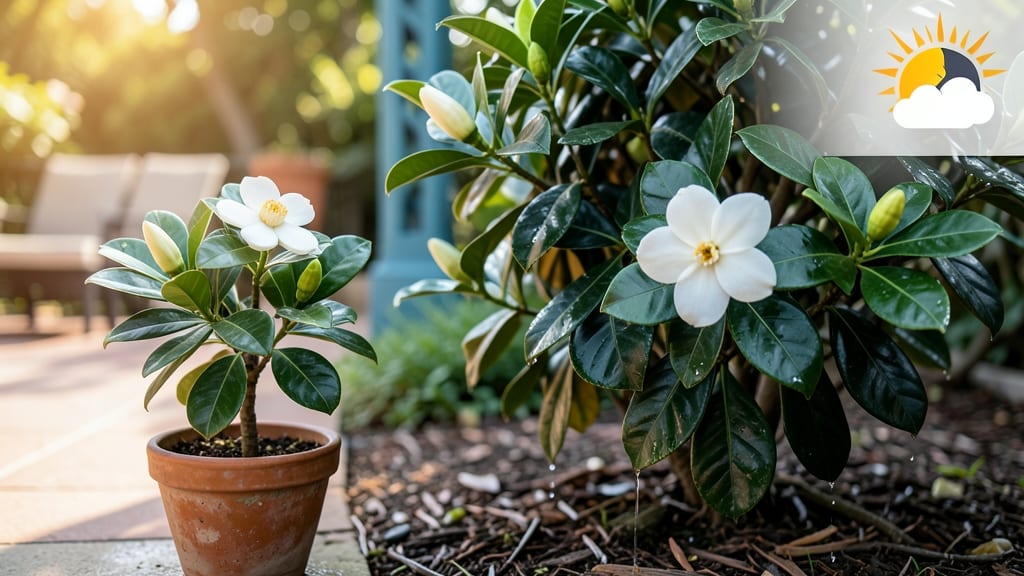
A gardenia plant thrives in partial shade—morning sun and afternoon shade—where its iconic 🌸 blooms stay vibrant and fragrant.
Struggling to keep your gardenia blooming? The battle between sun and shade might be the secret culprit—getting the light balance right can transform your fragrant gardenia from sparse blooms to a lush, year-round floral display.
Too much direct sun scorches delicate leaves, while too little shade stunts growth and flowers. The key lies in mimicking its natural tropical habitat: bright but filtered light, like an east-facing window or a spot under high tree branches.
Below, I’ll show you exactly how to position your gardenia for optimal blooms, spot light-related problems early, and adjust care based on your climate—whether you’re in a humid zone or a cooler region.
 Best Window Placement
How much sun or shade do gardenias need for optimal blooms?
If you’ve ever wondered why your gardenia’s blooms are sparse or its leaves look stressed, the answer might lie in its light exposure. Gardenias thrive in bright, indirect light, but striking the right balance between morning sun and afternoon shade is key.
Too much direct sun can scorch leaves, while too little shade may stunt blooms. Let’s break down the ideal light conditions for your fragrant gardenia to flourish.
Gardenias are native to tropical and subtropical regions, where they experience gentle sunlight filtered through tree canopies. This means they prefer partial shade—typically 2-4 hours of morning sun followed by dappled shade or filtered light for the rest of the day.
In hotter climates, even morning sun can be intense, so providing afternoon shade is crucial to prevent leaf burn.
Here’s how to visualize the perfect setup: Imagine placing your gardenia near a east-facing window where it gets soft morning light, then moving it slightly back as the sun intensifies.
Alternatively, position it under a light canopy or near taller trees that cast moving shadows. This mimics their natural habitat and encourages abundant blooms.
In temperate climates (USDA Zones 7-10), gardenias can handle slightly more sun, especially if they’re acclimated gradually. Start with 2 hours of morning sun and increase by 30 minutes weekly until reaching 4 hours max.
In hotter southern regions (Zones 10-11), prioritize afternoon shade to protect leaves from intense UV rays that can cause yellowing or crispy edges.
Regional adjustments are critical. For example, in Pacific Northwest gardens, gardenias often thrive in full morning sun and afternoon shade due to cooler temperatures. Meanwhile, in Florida or California, they may need constant afternoon shade to prevent heat stress.
Always observe your plant’s response—if leaves yellow or brown, it’s a sign of too much sun or shade.
| Light Condition | Ideal Sun Exposure | Best For | Signs of Stress |
|---|---|---|---|
| Morning Sun + Afternoon Shade | 2-4 hours direct sun (AM), dappled shade (PM) | Temperate climates (Zones 7-9) | Yellowing leaves, sparse blooms |
| Filtered Light Only | Indirect light (e.g., sheer curtain, tree canopy) | Hot climates (Zones 10-11), indoor pots | Leggy growth, few buds |
| Full Shade | <2 hours direct sun, deep shade | North-facing windows, dense forests | Pale leaves, no flowers |
| Full Sun (No Shade) | >4 hours direct sun daily | Desert landscapes, arid regions | Brown leaf edges, leaf scorch |
Diagnosing light-related issues starts with observing your gardenia’s leaves and blooms. If leaves develop yellow patches or brown, crispy edges, it’s likely getting too much direct sun, especially in the afternoon.
Conversely, pale, sparse leaves and no buds forming signal insufficient light. In both cases, adjust gradually—don’t move your gardenia abruptly, as sudden changes can shock the plant.
For container gardenias, mobility is your advantage. Rotate pots quarter-turns weekly to ensure even light exposure on all sides. If growing in-ground, consider planting near a tall tree or lattice to create natural shade.
In urban settings, a sheer curtain over a patio gardenia can filter harsh afternoon rays while still allowing bright light.
Pro tip: Use a light meter or observe shadows in your garden. If your gardenia’s location casts sharp, unbroken shadows for more than 2 hours in the afternoon, it’s getting too much direct sun. Aim for soft, diffused light that moves throughout the day, like sunlight through a canopy.
Remember, gardenias are not low-light plants—they need brightness to bloom, but they hate intense afternoon heat. The goal is to replicate their natural understory habitat: bright but gentle. With the right light balance, your gardenia will reward you with glossy leaves and fragrant blooms year-round. 🌸
5 Signs your gardenia’s light conditions are wrong (and how to fix them)
Your gardenia plant might be silently screaming for help if its light conditions are off. Too much sun causes leaf scorch, while too little shade leads to leggy growth and sparse blooms.
The key is finding that sweet spot of morning sun with afternoon shade—but how do you know if your plant is struggling? Let’s decode the signs and fix them fast.
First, check the leaves. Yellowing between the veins? That’s a classic iron deficiency from too much shade. Brown, crispy edges? Your gardenia is sunburned from harsh afternoon rays. These visual cues are your plant’s way of saying, “Adjust my light, please!”
The good news? Fixing these issues is easier than you think with a few simple tweaks.
- 🌿 Yellow leaves (especially lower ones) = Too much shade. Move your gardenia to a brighter spot with filtered light.
- ☀️ Brown, crispy leaf edges = Too much direct sun. Provide afternoon shade with a sheer curtain or nearby tree.
- 🌹 No blooms or buds = Light imbalance. Gardenias need 4-6 hours of morning sun to flower. Rotate pots or prune nearby obstacles.
- ✂️ Leggy, sparse growth = Insufficient light. Trim back leggy stems and place closer to a south- or east-facing window.
- 🌧️ Drooping leaves = Sudden light change. Adjust light gradually over 1-2 weeks to avoid shocking the plant.
If your gardenia is sunburned, don’t panic—just act fast. Move it to a spot with dappled shade, like under a light canopy tree or near a lattice screen.
For shade-loving varieties, like ‘Kleim’s Hardy’, a north-facing window or indoor grow light can work wonders. Always introduce changes slowly to prevent stress.
Pruning is your secret weapon. If your gardenia is overcrowded or blocking light from lower branches, trim back 1/3 of the bush in early spring. This encourages new growth and better light penetration. Just remember: Never prune in fall, as it can stunt next year’s blooms.
For potted gardenias, rotate the pot quarter-turns weekly to ensure even light exposure. If you notice buds dropping before opening, it’s a sign of light stress.
Increase morning sun exposure by 1 hour per week until you see consistent blooms. Patience is key—gardenia plants reward gradual adjustments with abundant, fragrant flowers.
Pro tip: Use a light meter or observe your gardenia’s leaves. If they’re dark green and glossy, you’ve nailed the balance. If they’re pale or dull, it’s time to tweak that spot.
With the right light, your gardenia will thrive and fill your garden with its iconic jasmine-like scent year-round. 🌸