
Blooming
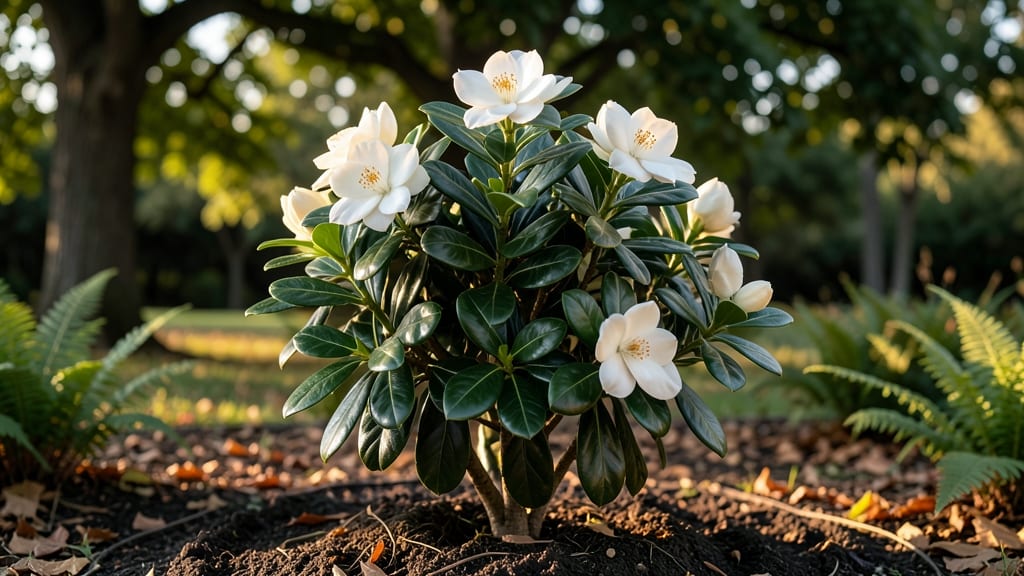
Gardenia blooms occur primarily during late spring and early summer months—typically May through July in most temperate regions—though exact timing shifts based on plant variety, sunlight exposure, and local frost cycles. Tropical gardenias often flower continuously when kept warm.
Understanding gardenia bloom cycles starts with recognizing how climate zones shape their natural rhythms. 🌸 In cooler regions, gardenias enter dormancy during winter, requiring 60-70°F daytime temperatures to trigger spring blooming. Meanwhile, tropical varieties thrive in 75-85°F year-round, allowing them to produce flowers in any season when conditions are ideal.
The key difference lies in their adaptability—hardy gardenias wait for warmth, while tropical types respond to consistent heat.
For gardeners eager to adjust bloom timing, strategic care makes all the difference. Pruning spent blooms in late summer encourages new growth, while acidic soil (pH 5.5-6.5) and regular watering support vibrant flowers. In containers, moving plants to sunnier spots during winter can extend their bloom season by weeks.
The secret? Mimicking their natural environment—whether that means protecting them from frost or providing extra warmth during cooler months.
💡 In This Article
- Climate Factors That Trigger Gardenia Flowering
- How to Encourage Early or Prolonged Gardenia Blooms
Climate factors that trigger gardenia flowering
Gardenia flowering is primarily triggered by a combination of temperature shifts and daylight exposure. These plants are highly sensitive to seasonal changes, particularly the transition from cooler winter dormancy to warmer spring conditions.
Hardy gardenias, like Gardenia jasminoides, need daytime temperatures consistently above 60°F (15°C) for at least 4-6 weeks to break dormancy and begin blooming. This temperature threshold aligns with late April to early May in most temperate zones, explaining why blooms peak in May-July. 🌿
The length of daylight also plays a crucial role. Gardenias are short-day plants, meaning they respond to decreasing daylight hours in late summer to prepare for winter dormancy. However, they require 12-14 hours of sunlight daily during active growth to produce energy for blooming.
In regions with shorter summer days, gardenias may delay flowering until they receive sufficient light, often resulting in staggered blooms rather than a single flush. Tropical varieties, which don't experience dormancy, can flower year-round if they receive consistent 75-85°F (24-29°C) temperatures and 60-70% humidity.
Humidity levels create another critical factor. Gardenias originate from tropical and subtropical regions where air moisture stays high, ideally between 50-70%. Low humidity causes buds to dry out before opening, while excessive dryness stresses the plant.
In arid climates, gardeners often use mulch or misting systems to maintain optimal moisture levels around the foliage. The interplay between temperature, light, and humidity creates a delicate balance—disrupt one, and the bloom cycle shifts unpredictably. 💦
Frost is the most destructive climate factor for gardenias. Even a light frost can kill tender varieties, while hardy types may survive but produce fewer blooms the following season. The plant's response to frost involves a survival mechanism where it prioritizes root and stem protection over flower production.
In regions with late frosts, gardenias may delay blooming until after the last frost date, which can extend the flowering window into early August. This adaptive behavior explains why gardenias in coastal areas (warmer microclimates) often bloom earlier than those inland.
Soil temperature also influences root activity, which directly impacts nutrient uptake for flower development. Gardenias prefer soil that stays between 65-75°F (18-24°C)—too cold, and roots become sluggish; too hot, and they may suffer heat stress.
Mulching with organic matter helps regulate soil temperature while retaining moisture. The combination of these factors—temperature, light, humidity, and frost—creates a precise ecological recipe that gardeners must replicate to encourage reliable blooming. 🌡️
Comparing tropical and hardy gardenias reveals their distinct adaptations. Tropical varieties like Gardenia augusta thrive in USDA Zone 10-11 and produce continuous blooms when temperatures remain stable.
Hardy types, such as Gardenia radicans, endure Zone 7-9 winters but require a period of cold (40-50°F/4-10°C) to reset their growth cycle. This cold requirement ensures synchronized blooming in spring, while tropical types lack this dormancy trigger, allowing them to flower opportunistically.
Understanding these differences helps gardeners select varieties suited to their local climate. 🌍