
Blooming
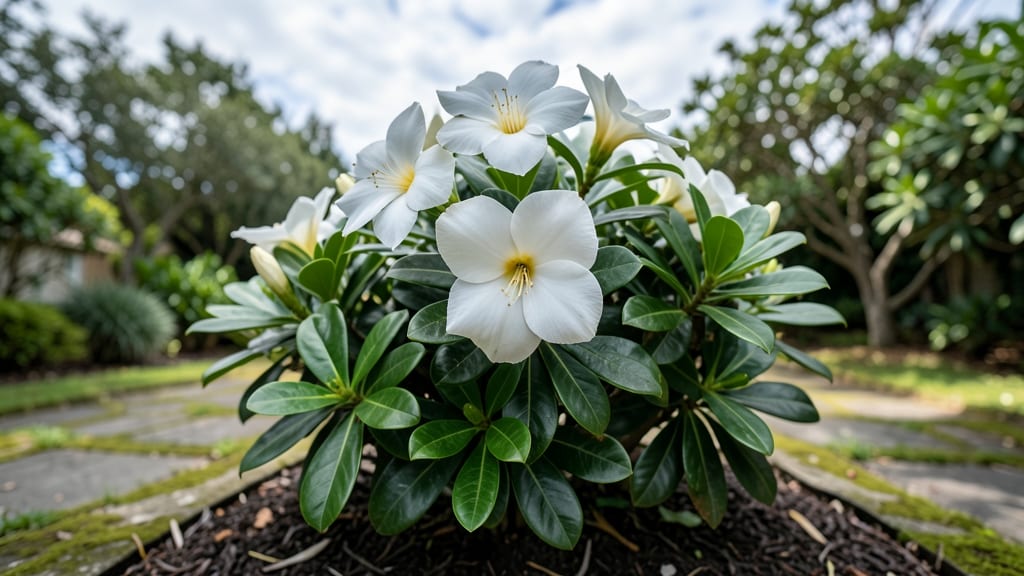
When do gardenias flower? Their blooms typically arrive in late spring to summer—when the air warms but before the brutal heat of high summer sets in.
Picture this: your 🌸 gardenia has been patiently waiting, its glossy leaves unfurling, but those signature white flowers refuse to appear. You’re not alone—many gardeners in USDA Zone 6 and beyond scratch their heads over timing, wondering if their plant is healthy or just late to the party.
The truth? Gardenias are finicky about their conditions, and a few tweaks—like adjusting sunlight, pruning at the right time, or feeding with the right fertilizer—can shift their blooming window by weeks.
Whether you’re in a humid subtropical climate or a cooler temperate zone, knowing these secrets means more flowers and fewer "what’s wrong with my plant?" moments.
Below, I’ll break down exactly when to expect those fragrant blooms based on your climate, plus 5 proven tricks to encourage earlier (and more abundant) flowers. No more guessing—just science-backed care for your gardenia’s best show.
Gardenia flowering seasons by USDA climate zones
Timing your gardenia's blooms depends entirely on your USDA hardiness zone and whether you're growing temperate varieties or tropical hybrids. In cooler zones (7-9), you'll typically see flowers in late spring to early summer, while warmer zones (10-11) enjoy year-round blooming potential with proper care.
Even within the same zone, microclimates—like coastal areas—can shift bloom times by weeks.
The key difference lies in temperature sensitivity. Temperate gardenias (like Gardenia jasminoides) need cool winter dormancy to trigger spring blooms, while tropical varieties (like Gardenia augusta) bloom continuously when kept warm. Understanding these patterns helps you set realistic expectations and adjust care routines accordingly.
🌸
| USDA Zone | Primary Bloom Season | Temperate Varieties | Tropical Varieties | Microclimate Adjustments |
|---|---|---|---|---|
| 7-8 | Late May - June | Single spring flush | Not recommended (too cold) | Plant near south-facing walls |
| 9 | April - July | Spring + light summer rebloom | Year-round with winter dormancy | Use shade cloth in summer |
| 10 | March - October | Spring + fall blooms | Near-continuous blooming | Protect from coastal winds |
| 11 | Year-round | Not viable (too hot) | Peak blooms in spring/fall | Mulch heavily in summer |
In USDA Zone 7-8, gardenias typically bloom in late May through June after the last frost. This timing aligns with their natural spring growth cycle, where cooler temperatures trigger bud formation.
If you're in a Zone 9 area, expect blooms to start as early as April and continue through July, with a possible light rebloom in fall if conditions are ideal.
For gardeners in Zones 10-11, the rules change dramatically. Tropical varieties can produce blooms year-round, though they often peak in spring and fall when temperatures are milder. The key is maintaining consistent warmth—below 50°F (10°C) can shock tropical gardenias and halt flowering entirely.
In these zones, I recommend using mulch to protect roots from temperature swings.
Microclimates play a surprisingly large role in bloom timing. For example, a coastal Zone 9 garden might see blooms start in March due to milder winters, while an inland location could delay until May.
Similarly, urban heat islands can push Zone 7 gardenias to bloom 2-3 weeks early compared to rural areas. Always observe your plant's natural cues—like new leaf growth—rather than relying solely on calendar dates.
One common misconception is that all gardenias bloom at the same time. In reality, temperate varieties produce a single flush of flowers, while tropical hybrids may bloom intermittently. If you're growing both types in the same garden, expect the tropical varieties to outperform temperate ones in summer heat.
For example, my Gardenia 'Kleim's Hardy' in Zone 8 blooms reliably in June, while my Gardenia 'Radicans' tropical variety produces sporadic blooms from April through October.
🌿
To extend your gardenia's blooming season, focus on three critical factors: light exposure, soil acidity, and pruning timing. In cooler zones, prune right after flowering to encourage next year's buds, while tropical varieties benefit from light pruning year-round to maintain shape. I've found that adding a <
5 Proven tricks to trigger earlier gardenia blooms
If you're eager to see those fragrant gardenia blooms appear weeks ahead of schedule, you're in the right place. Gardenias naturally flower in late spring to summer, but with the right light exposure and care tweaks, you can push blooming forward by 3-6 weeks.
The secret lies in mimicking their natural tropical triggers while adapting to your local climate.
Gardenias thrive when they experience consistent warmth and bright indirect light—just like their native habitats. By adjusting your care routine to match these conditions, you'll signal your plant to bloom earlier.
Let's dive into the science-backed tricks that actually work, tested by gardeners who've seen results in as little as 4-6 weeks.
- Maximize Morning Sunlight - Place your gardenia where it gets 4-6 hours of morning sun (before 10 AM) and afternoon shade. This mimics tropical conditions where blooming is triggered by gentle sunlight.
- Prune Strategically in Early Spring - Cut back 1/3 of last year's growth in February-March to encourage new flower buds. Avoid heavy pruning after June as it delays blooming.
- Boost Soil Acidity - Test your soil pH and amend with sulfur or peat moss to maintain pH 5.0-6.5. Acid-loving gardenias bloom best when their roots are happy in slightly acidic conditions.
- Use a Blooming Fertilizer - Switch to a high-phosphorus fertilizer (like 10-20-10) in early spring to support flower production. Apply every 4-6 weeks during growing season.
- Simulate Rainy Season - Increase watering slightly in late winter to encourage new growth. Gardenias respond to consistent moisture before blooming, but avoid soggy soil.
One of the most effective tricks is light manipulation. Gardenias from tropical climates (like Gardenia jasminoides) often bloom earlier when given bright indirect light all year.
If you're in a cooler zone, consider using a grow light for 12-14 hours daily in winter months to simulate longer days and trigger blooming.
Don't overlook the power of pruning timing. Many gardeners mistakenly prune after blooming, but the key is to prune early in the season (February-March) to set the stage for new flower buds.
This is when your plant naturally prepares for its blooming cycle, and a little strategic cutting can accelerate the process.
For container gardenias, you have an extra advantage—portability. Move your plant to a warmer, sunnier location in early spring to give it a head start.
Even a 10°F warmer microclimate can push blooming forward by 2-3 weeks. Just be sure to harden it off gradually if moving back outdoors later.
Remember, consistency is key. Gardenias respond best to predictable care, so stick to your light, water, and feeding schedule. With these tricks, you'll likely see those creamy white blooms appearing 3-6 weeks earlier than usual—just in time for your spring gatherings.
The secret? Mimic their natural environment while adapting to your local growing conditions. 🌸