
Blooming
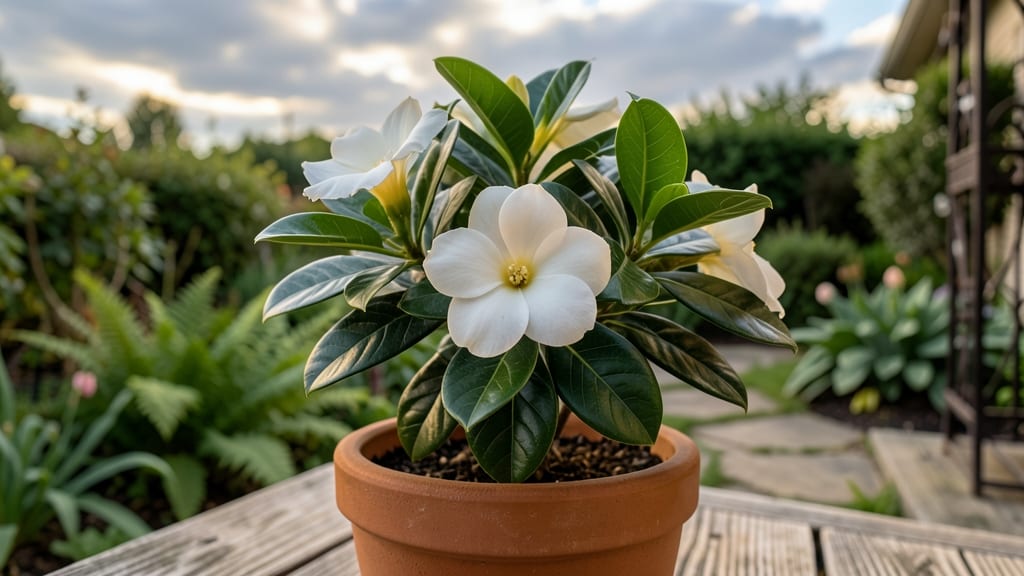
Gardenia blooms in Texas typically arrive in late spring, with the first fragrant 🌸 flowers opening around April in most regions.
If you’ve ever dreamed of waking up to the intoxicating scent of gardenias blooming in your Texas garden, timing is everything—miss the window, and you’ll be left with just the promise of fragrance.
In USDA Zones 8a-10b, where Texas gardenias thrive, the blooming season stretches from April through June, with occasional late-season flowers in mild winters. But don’t let the heat fool you—these tropical beauties need just the right balance of care to perform their best.
Below, I’ll break down the exact months your gardenias will burst into color, how to encourage longer blooms, and the 3 key factors that make all the difference in Texas heat.
Gardenia bloom seasons in Texas: a month-by-month breakdown
Texas gardeners know that gardenia blooms are a fragrant reward for patience—especially when you account for the state’s diverse climate zones. From the cooler hills of North Texas to the subtropical warmth of the Gulf Coast, timing can shift by weeks or even months.
Understanding these regional differences helps you set expectations and maximize your gardenia care routine.
The key to predicting blooms lies in Texas’s USDA zones 8a–10b, where frost dates and summer heat create distinct windows for gardenias to thrive. In North Texas (Zones 8a-8b), gardenias often bloom later due to cooler springs, while South Texas (Zones 9a-10b) gardeners enjoy earlier—and sometimes prolonged—flowering seasons.
Let’s break it down month by month.
| Month | North Texas (Zones 8a-8b) | Central Texas (Zones 8b-9a) | South Texas (Zones 9a-10b) |
|---|---|---|---|
| February | Bud formation begins (cooler temps delay blooms) | Early buds appear; mild blooms possible | First blooms in warm microclimates |
| March | Peak blooming season (late March) | Full bloom; most fragrant | Heavy blooms; may continue into April |
| April | Late blooms taper; focus on post-bloom care | Blooms decline; prepare for summer dormancy | Secondary bloom possible if conditions are ideal |
| May–June | No blooms; plant enters summer dormancy | Dormant; minimal growth | Dormant; occasional sporadic blooms |
| July–August | Focus on pruning and soil prep for next season | Prune lightly; monitor for pests | Prune; reduce watering to avoid stress |
| September–October | New growth emerges; minimal blooms | Bud formation for next year’s blooms | Bud formation; possible late blooms |
| November–January | Dormant; protect from frost | Dormant; mulch heavily | Dormant; minimal care needed |
In North Texas, the peak blooming window is typically late March through early April, with buds forming as early as February but often delayed by cooler temperatures.
If you’re in Dallas or Fort Worth, expect your gardenias to reward you with their most fragrant displays in March, provided you’ve maintained acidic soil and consistent moisture throughout the winter.
Central Texas gardeners in Austin or San Antonio enjoy a slightly earlier and longer bloom season, with February buds often opening by mid-March.
The milder winters in this region allow gardenias to push blooms earlier, and with the right care—like mulching and afternoon shade—you might even see a secondary bloom in late spring.
For those in South Texas (Houston, Corpus Christi, Brownsville), gardenias are nearly year-round performers. While the primary bloom still peaks in March and April, the warmer climate can extend blooming into May or even June if conditions are ideal.
In these areas, gardenias often rebloom sporadically after summer rains, making them a low-maintenance fragrant staple.
Regardless of where you live in Texas, pruning after blooms is critical to encourage next year’s flowers. In North Texas, prune in late April to remove spent blooms and shape the shrub.
In South Texas, where blooms may linger longer, wait until June to avoid cutting off potential late-season flowers. Always use sterilized shears to prevent disease spread.
One common misconception is that garden
Factors that influence gardenia blooming in Texas heat
Texas heat can be both a blessing and a challenge for gardenias—these tropical beauties thrive in warmth but struggle when conditions get too extreme. Understanding the key factors that influence their blooming season helps you create the perfect environment for fragrant flowers.
The soil pH, sunlight exposure, and watering techniques all play critical roles in determining when (and if) your gardenias will burst into bloom.
First, let’s talk about soil acidity. Gardenias are acid-loving plants, and Texas’ naturally alkaline soil can stifle their growth. A pH between 5.0 and 6.0 is ideal—any higher, and your plant may produce fewer blooms or none at all.
Testing your soil and amending it with peat moss or sulfur can make all the difference in encouraging healthy flowering.
⚠️ WARNING: Common Mistake Alert! 🌱 Texas Heatwaves Can Delay Blooming – If your gardenias are struggling to bloom, check these 3 critical factors first: 🔹 Soil pH too high? (Test with a soil pH kit—aim for 5.0-6.0) 🔹 Too much afternoon sun? (Move to morning sun + afternoon shade) 🔹 Watering inconsistently? (Deep watering every 2-3 days in summer is key!) 🌡️ Pro Tip: Heatwaves above 95°F can shock gardenias—provide afternoon shade during peak summer months to protect buds.
Next up is sunlight exposure. While gardenias need plenty of light, Texas’ intense afternoon sun can scorch leaves and buds, delaying blooming. Aim for 4-6 hours of morning sun paired with afternoon shade.
If planting outdoors, choose a spot near a tall tree or fence to filter harsh rays, or use a lightweight shade cloth during the hottest months.
Watering is another make-or-break factor for gardenia blooms. These plants love moisture but hate soggy roots. In Texas heat, water deeply every 2-3 days, ensuring the top 2-3 inches of soil stay consistently damp.
Mulching with 2-3 inches of organic mulch (like pine bark) helps retain moisture and keeps roots cool. Avoid overhead watering—it can lead to fungal diseases that weaken plants and reduce blooms.
Pruning strategies also impact bloom timing. Prune gardenias right after flowering (typically in late spring or early summer) to encourage new growth and more blooms next season. Avoid heavy pruning in fall or winter, as this can shock the plant and delay spring blooming.
Use sterilized pruners to cut back 1/3 of the plant’s height, focusing on dead or overcrowded branches.
Finally, don’t underestimate the impact of Texas heatwaves. When temperatures soar above 100°F, gardenias may drop buds or stop blooming entirely. To mitigate this, provide extra afternoon shade, increase watering frequency, and avoid fertilizing during extreme heat.
If your gardenias are potted, move them to a shadier, cooler location during heatwaves to protect them from stress.
By mastering these 5 key factors—soil pH, sunlight balance, watering techniques, pruning timing, and heatwave protection—you’ll set your gardenias up for a longer, more abundant blooming season in even the hottest Texas summers. 🌸