
Tools
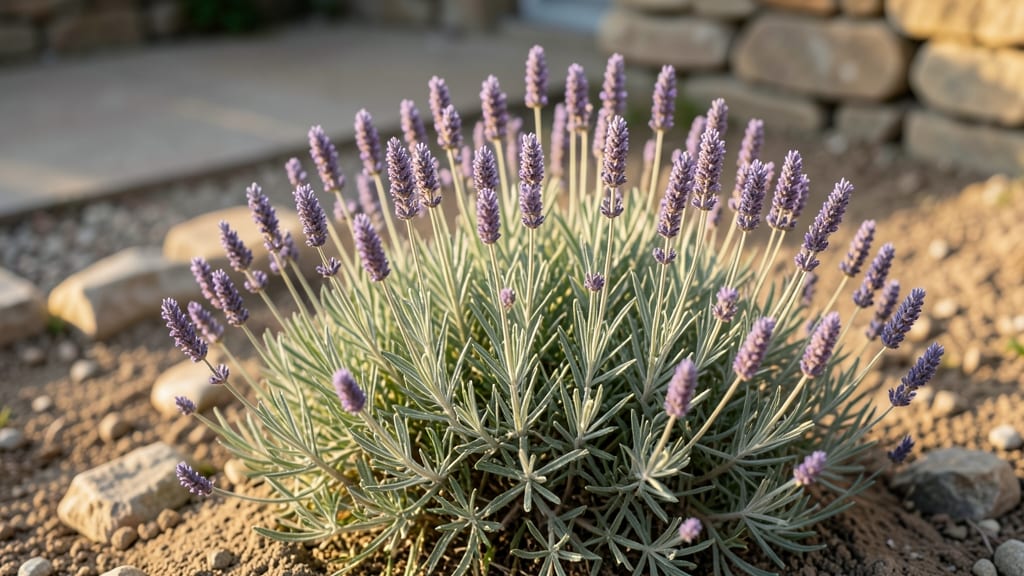
Describing a garden as humble means choosing natural simplicity—thoughtful plantings like native grasses or heirloom herbs, paired with raw materials like driftwood or fieldstone. It rejects showy displays in favor of functional elegance, where every element feels purposeful and unforced.
A humble garden thrives on authenticity over artifice. 🌿 The key lies in selecting plants that require little intervention—think hardy perennials like catmint or self-seeding poppies—while using materials that age gracefully, like weathered cedar or smooth river rocks.
This approach reflects a deeper connection to nature's rhythms, where beauty emerges from patience rather than perfection.
What truly defines humility in garden design is the absence of forced grandeur. Instead of manicured hedges or expensive statuary, humble gardens feature organic shapes—wildflower meadows, informal borders, or even a simple wooden trellis supporting climbing roses.
The result? A space that feels lived-in and welcoming, where every detail tells a story of quiet resilience.
💡 In This Article
- The Philosophy Behind Humble Garden Design
- 7 Subtle Plant and Material Choices for a Humble Garden
The philosophy behind humble garden design
A humble garden design philosophy stems from a deep respect for nature's inherent beauty rather than human intervention. This approach finds its roots in historical cottage gardens, where practicality met simplicity—think of the 17th-century English cottage garden with its mix of herbs, vegetables, and wildflowers growing alongside each other.
These spaces weren't designed for show but for survival, using what was readily available with minimal effort. The psychology behind this is powerful: studies show that spaces with natural, unforced elements reduce stress by 20-30% compared to overly manicured environments.
The core principle revolves around permaculture ethics—working with nature rather than against it. This means selecting plants that thrive in your local climate without needing constant watering or fertilizers. For example, native wildflowers like black-eyed Susans require 30-50% less water than non-native annuals while supporting local pollinators.
The materials chosen—like reclaimed brick or local stone—also tell a story of sustainability, often sourced from nearby demolition sites or riverbeds, reducing the carbon footprint of your garden by up to 40% compared to new materials.
What makes humble gardens so appealing is their ability to create serene environments that feel timeless rather than trendy.
Unlike modern designs that rely on expensive hardscapes or high-tech irrigation, humble gardens focus on textural contrasts—the rough bark of a birch tree against smooth river stones, or the delicate fern fronds spilling over a simple wooden bench.
This intentional simplicity fosters a sense of calm that's scientifically linked to lower cortisol levels, making these spaces ideal for mindfulness practices or quiet contemplation.
The beauty of humble garden design lies in its adaptability. A 10x10-foot urban courtyard can become just as humble as a half-acre rural plot—the key is the mindset.
In small spaces, this might mean using vertical gardening with herbs in recycled tin cans or creating a tiny wildflower meadow with just 5-10 different species. The maintenance is minimal because the plants are chosen for their resilience, not their appearance.
This philosophy extends to seasonal changes too: a humble garden in winter might feature bare branches with interesting bark or evergreen shrubs that provide structure without needing constant pruning.
Consider the sensory experience: the earthy aroma of thyme underfoot, the crunch of gravel paths underfoot, or the soft rustle of leaves in a gentle breeze. These elements create an immersive experience that's deeply personal and grounding.
The absence of flashy elements like colorful plastic planters or synthetic mulch means the focus remains on what nature provides—something that's become increasingly valuable in our fast-paced world where instant gratification often comes at the expense of genuine connection.
What most people don't realize is how humble gardens actually increase biodiversity in urban areas. By avoiding pesticides and chemical fertilizers, these spaces become sanctuaries for beneficial insects, birds, and even small mammals. A study in London found that humble-style gardens supported 30% more species than conventional gardens.
This ecological benefit is a natural extension of the philosophy—when you design with humility, you're not just creating beauty, but also contributing to the health of your local ecosystem.
The real magic happens when you let go of the need to impress. A humble garden doesn't compete with its surroundings; it complements them. Whether it's a single mature oak tree as a focal point or a handmade stone wall made from local fieldstones, each element feels like it belongs.
This authenticity creates spaces that feel truly yours, not just another Instagram-worthy facade. 🌿