
How To
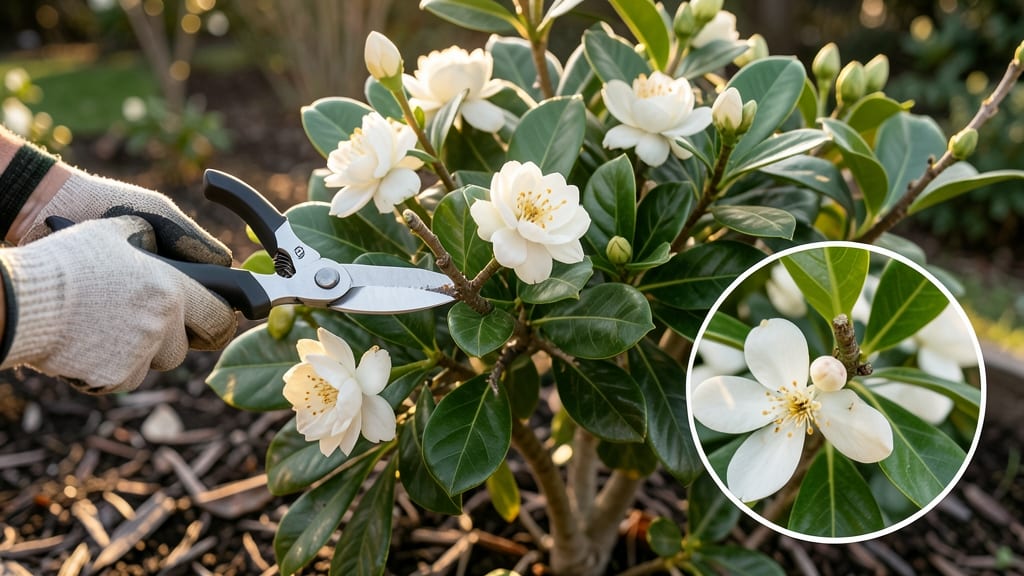
Cutting back gardenias too aggressively can shock these fragrant shrubs 🌸, but knowing how far you can safely prune is the key to keeping them lush and blooming.
Picture this: You’ve spent months admiring your gardenias, only to see them produce fewer blooms or look leggy after pruning. The problem? Many gardeners either cut back too much—risking stress—or too little, missing the chance to encourage fuller growth.
In this guide, I’ll walk you through the exact pruning limits for gardenias, including when to trim, how to spot over-pruning, and how to revive your plant if you’ve already gone too far.
By the end, you’ll know the 1/3 rule, seasonal timing, and tools to use—so your gardenias stay healthy, vibrant, and ready to bloom season after season.
Safe pruning limits: how far back you can cut gardenias without shocking the plant
Pruning gardenias might seem intimidating, but knowing the safe limits prevents stress and promotes lush growth. These fragrant shrubs thrive when pruned correctly, but cutting too aggressively can shock the plant. The key is understanding seasonal timing and branch thickness rules to avoid irreversible damage.
Gardenias bloom on new wood, so pruning too late in the season can reduce next year's flowers. The 1/3 rule is your best friend: never remove more than one-third of the plant's foliage in a single session. This ensures the shrub retains enough energy to recover and bloom.
For young gardenias, you can be slightly more aggressive—up to 25-30% of growth—if shaping is needed. Mature plants, however, should never exceed the 1/3 limit. Always prioritize healthy branches over aggressive cuts, as dead or diseased wood should be removed first.
| Season | Max Pruning Depth | Branch Thickness Rule | Best Time to Prune |
|---|---|---|---|
| Spring (Post-Bloom) | Up to 1/3 of growth | Never cut thicker than 1/4 inch without reason | After flowers fade (late May-June) |
| Summer (Minimal Pruning) | Only dead/diseased wood (no more than 10%) | Remove branches thinner than 1/8 inch if leggy | Early morning on cool days |
| Fall (Light Maintenance) | Up to 10-15% for shaping | Avoid cutting thicker than 1/4 inch | Before first frost (October) |
| Winter (Dormant Pruning) | No pruning (plant is dormant) | Remove frozen/damaged tips only | Early spring (before buds swell) |
Identifying live vs. dead wood is crucial. Scrape a small section of bark with your fingernail—if it's green underneath, the branch is alive. Brown or brittle wood is dead and should be cut back to the nearest healthy bud. Always use clean, sharp pruners to avoid tearing branches.
For overgrown gardenias, you can prune more aggressively in spring but never exceed 50% total growth in one session. Divide the work into two sessions if needed, spacing them 4-6 weeks apart. This gradual approach reduces shock and allows the plant to recover.
Watch for signs of pruning shock, like wilting leaves or stunted growth. If this happens, reduce watering slightly and apply a balanced fertilizer (like 10-10-10) to encourage recovery. Avoid further pruning until new growth appears, which usually takes 4-6 weeks.
Thicker branches (over 1/4 inch) require more caution. Use three-step pruning: first cut 6 inches above the target, then make your final cut just outside the bud. This prevents tearing and promotes faster healing. For branches thicker than 1/2 inch, consider using a pruning saw.
Mulch heavily after pruning to retain moisture and protect roots. A 3-inch layer of organic mulch (like pine bark) keeps soil cool and reduces stress. Water deeply but infrequently—1-2 gallons per plant—to encourage deep root growth without over-saturating the soil.
Remember, gardenias reward patience. A well-timed, gentle prune in spring will keep your shrub blooming for years. Avoid the temptation to over-prune for a "neater" look—your gardenias will thank you with abundant, fragrant blooms every season. ✂️🌸
Step-by-Step pruning guide: when and how to cut gardenias for maximum blooms
Pruning your gardenias at the right time and with the correct technique can transform a sparse, leggy shrub into a lush, fragrant blooming powerhouse. The key is understanding when to prune—right after flowering—and how to cut without shocking the plant.
Gardenias bloom on new wood, so timing matters more than you might think. I’ve pruned my gardenias for years, and I’ve learned that patience and precision pay off with bigger, healthier blooms every season.
Start by gathering your tools: sharp, sterilized pruners (or loppers for thicker branches), rubbing alcohol (to clean tools between cuts), and gloves (to protect from thorns and sap). The best time to prune is late spring or early summer, right after the flowering season ends.
This gives your gardenia time to recover and produce new growth that will bloom next year. Avoid pruning in fall or winter, as this can leave your plant vulnerable to cold stress and frost damage.
How to Prune Gardenias Safely: Step-by-Step
-
1
Step 1: Identify Dead or Diseased Wood
Remove any brown, mushy, or hollow branches first. These won’t regrow and can spread disease. Cut back to the nearest healthy green stem or bud.
-
2
Step 2: Thin Out Crowded Branches
Look for crossing or rubbing branches. Cut these back to the nearest outward-facing bud to improve airflow and reduce disease risk. Aim to open up the center of the shrub.
-
3
Step 3: Prune Back Leggy Growth
Cut back overly long or leggy stems by one-third to encourage bushier growth. Make cuts just above a leaf node or bud at a 45-degree angle to prevent water pooling.
-
4
Step 4: Shape the Shrub
Use your pruners to trim uneven growth and maintain a natural, rounded shape. Avoid cutting into old wood (thick, woody stems) unless it’s dead or diseased.
-
5
Step 5: Clean Up and Sterilize
Wipe your pruners with rubbing alcohol between cuts to prevent bacterial spread. Remove all pruned debris from the base of the plant to reduce pests and disease.
When pruning, never cut more than one-third of the plant’s total growth in a single session. This rule prevents pruning shock, which can cause yellowing leaves or stunted growth.
If your gardenia is young or weak, be even more conservative—cut back only 10-15% of the growth to avoid stress. I once over-pruned my gardenia by accident and had to wait an extra year for it to recover, so I learned the hard way!
After pruning, give your gardenia some extra care to help it recover. Water deeply once a week for the first month post-pruning, and avoid fertilizing until you see new growth emerging. A light layer of mulch around the base will help retain moisture and protect roots.
If you notice yellowing leaves or no new buds after 4-6 weeks, your pruning might have been too aggressive—adjust next time!
Finally, keep an eye out for common pruning mistakes like cutting too close to the trunk, leaving jagged edges, or pruning at the wrong time. Always cut just above a bud or leaf node to encourage growth in the right direction.
With the right technique, your gardenias will reward you with vibrant blooms all season long. Happy pruning! 🌸✂️