
Planting
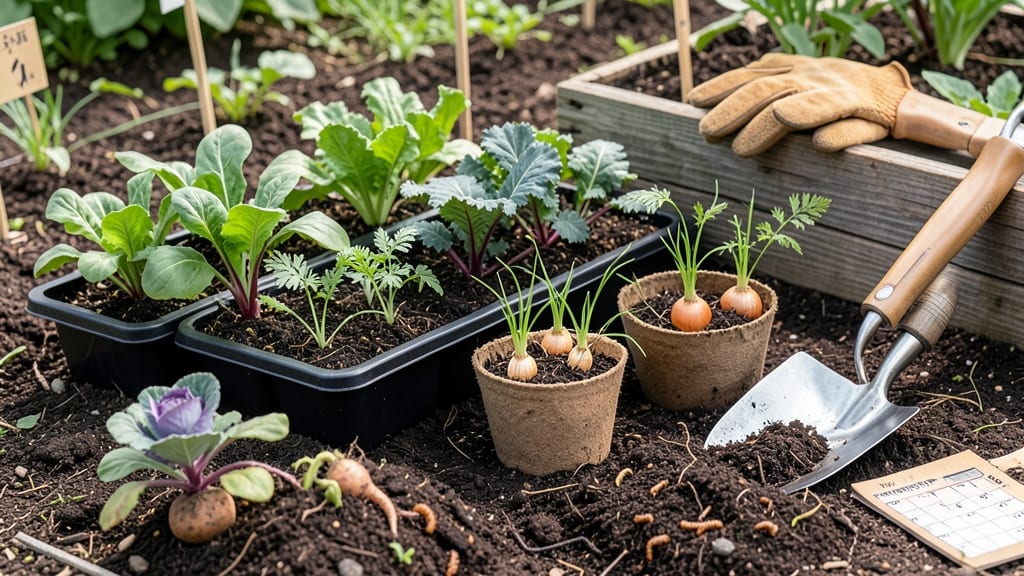
You should plant a garden in Ohio between mid-April and early June, depending on what you're growing and which zone you're in — but timing is everything, and Ohio’s weather can throw a curveball.
Picture this: you’ve prepped the soil, ordered your seeds, and then a late frost hits, turning your tender seedlings into sad, wilted memories. Or worse, you plant too late, and the summer heat arrives before your tomatoes even set fruit.
Ohio’s USDA Zones 5a to 6b mean your neighbors might be harvesting while you’re still waiting for the right moment.
This isn’t just about avoiding frost — it’s about maximizing your harvest. Cool-season crops like spinach and peas thrive in early spring, while tomatoes and peppers need warm soil to take off.
I’ll break down the exact months for each zone, plus how to adjust for Ohio’s unpredictable swings from snow to 90-degree heat in a single week.
By the end, you’ll know not just when to plant, but how to set yourself up for a garden so bountiful, your neighbors will be asking for tips — and maybe a few zucchini, too.
Ohio planting calendar by hardiness zone: exact months for vegetables, flowers & herbs
Ohio spans USDA hardiness zones 5a to 6b, meaning your planting timeline should shift slightly depending on whether you're in southern Cincinnati (6b) or northern Cleveland (5a).
Urban areas like Columbus often experience earlier soil warming than rural zones due to the "urban heat island" effect, so adjust your schedule accordingly.
For this guide, I'll use average last frost dates—typically April 15 in southern Ohio and May 1 in northern Ohio—but always verify with your local Cooperative Extension office for precision.
Cool-season crops like spinach, peas, and kale thrive when planted 4-6 weeks before your last frost date, while warm-season favorites such as tomatoes and peppers need soil temperatures above 60°F (15°C).
Perennial flowers like coneflowers and black-eyed Susans can be planted in early spring or fall, giving you flexibility. Let’s break down the exact months for each zone and crop type so you can maximize your garden’s potential.
📌 Pro Tip: Use a soil thermometer to confirm readiness—cool crops need 40-50°F soil, while warm crops require 60°F+. This simple tool prevents wasted seeds and stunted growth.
For urban gardeners in Columbus or Cincinnati, you can push planting dates 1-2 weeks earlier thanks to warmer microclimates. For example, tomatoes can often go in by April 20 in southern Ohio, while northern gardeners should wait until May 10.
Always monitor weather forecasts—a late frost in April can devastate early plantings, so keep row covers or cold frames on hand for protection.
If you’re growing asparagus or rhubarb, these perennials should be planted in early spring (March–April) for a 2-year establishment period before harvest. They’re worth the wait, though—asparagus can produce for 15+ years! For annuals like marigolds or zinnias, you can direct-sow seeds after the last frost
How to adjust your planting schedule for Ohio’s unpredictable weather patterns
Ohio’s weather can shift from late frosts in May to 90°F heatwaves by June, leaving gardeners scrambling. The key to success? Flexibility. I’ve learned to adjust planting schedules using soil thermometers, row covers, and succession planting—techniques that can extend your harvest by 30% or more.
Don’t let Ohio’s whims control your garden; instead, work with its quirks.
First, always check your soil temperature before planting warm-season crops like tomatoes or peppers. These need soil at 60°F or warmer to germinate properly. A cheap soil thermometer (under $10) is your best friend—planting too early in cool soil stunts growth and invites disease.
I’ve seen tomato seedlings take 3 weeks longer to sprout when planted in 50°F soil instead of waiting for 65°F.
Here’s how I adjust my schedule based on Ohio’s most common weather surprises:
- 1. Wait for consistent warmth: Plant warm-season crops (tomatoes, peppers, beans) only after 3 consecutive days above 55°F. Use black plastic mulch to warm soil faster.
- 2. Protect with row covers: Extend the season by 2-3 weeks using floating row covers for cool crops (lettuce, spinach) in early spring or late fall.
- 3. Succession plant every 2 weeks: Sow fast-growing crops (radishes, bush beans, lettuce) every 14 days for continuous harvests.
- 4. Adjust for microclimates: Urban areas stay 5-10°F warmer than rural zones—plant heat-lovers (okra, sweet potatoes) 2 weeks earlier in cities.
- 5. Monitor frost dates: Use the Ohio State Extension’s frost calculator to set reminders for last spring frost (typically April 15–May 1) and first fall frost (typically October 15–November 1).
For late frosts, I’ve had success with cold frames or cloche covers over tender seedlings. Even a 50°F night can kill young pepper plants, but a simple clear plastic bottle (cut in half) creates a microclimate that adds 10°F of protection.
I also plant cold-hardy varieties like ‘Early Girl’ tomatoes or ‘Sugar Snap’ peas—they tolerate 28°F better than standard types.
Succession planting is my secret weapon for maximizing yields. Instead of sowing all your lettuce seeds at once, plant half in March, another third in April, and the final third in May.
This ensures a steady supply even if one batch bolts from heat. I’ve doubled my green bean harvest using this method—no more one-week glut followed by nothing.
Finally, keep a gardening journal to track Ohio’s unpredictable patterns. Note when frosts arrive late or heatwaves hit early—this data becomes your customized planting guide over time.
Last year, my zucchini plants flowered 3 weeks early due to a heatwave, so I adjusted my fall planting to start July 15 instead of August 1. Now I know to plant squash by July 10 every year.