
Tools
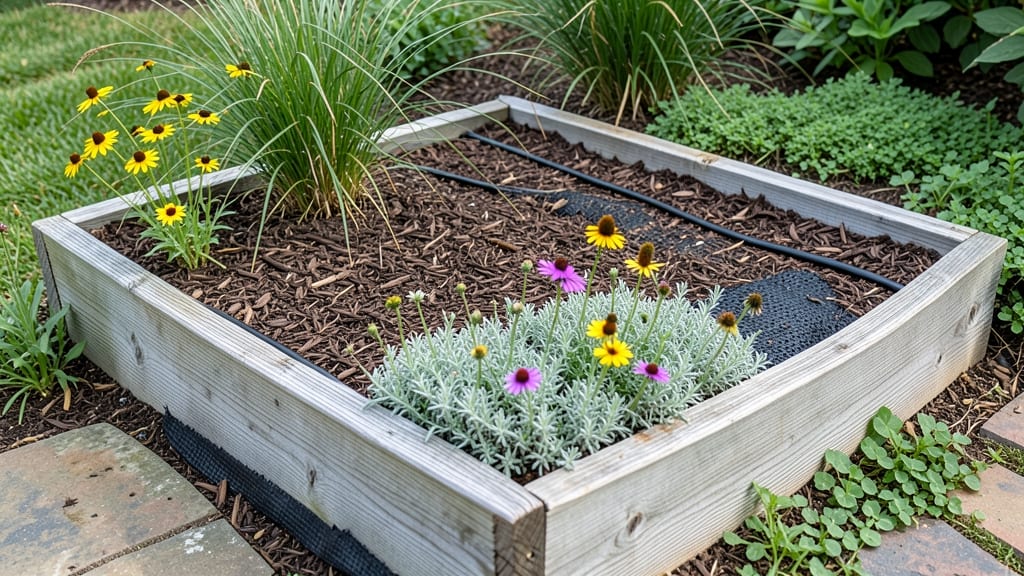
When choosing what to put around raised garden beds, landscape fabric, mulch, or edging stones work best to block weeds while improving the garden's appearance. Organic options like wood chips also help conserve water and enrich soil quality over time.
Weed suppression is the #1 reason gardeners choose borders, but the right material also elevates your garden's curb appeal. Landscape fabric creates a physical barrier that lasts 3-5 years, while mulch like straw or cedar chips suppresses weeds naturally while breaking down to feed soil.
For a polished look, stone edging (like granite chips) or brick borders add structure and prevent soil erosion. I've found that combining a 2-inch mulch layer with metal or wood edging gives the cleanest, most professional finish while keeping weeds at bay. 🌿
Pro tip: If you're using organic mulch, refresh it annually—it decomposes faster than inorganic options like rubber mulch. For high-traffic areas, consider paver edging or plastic landscape edging (like the flexible kind) for durability.
The key is balancing functionality with your garden's style—whether that's rustic wood chips or sleek stone borders.
💡 In This Article
- Best Materials for Weed Barriers in Raised Beds
- Aesthetic and Functional Edging Ideas for Raised Gardens
Best materials for weed barriers in raised beds
The most effective weed barriers create a physical or chemical obstruction that prevents seed germination and root penetration. Landscape fabric (typically made from polypropylene or woven polyethylene) works by blocking light—weeds need 12-16 hours of sunlight daily to thrive, and fabric cuts this to nearly zero.
The best options have a 30-45 pound test weight, meaning they can withstand up to 30-45 pounds of force per square foot without tearing. This type of barrier lasts 3-5 years before breaking down, though UV exposure can degrade it faster in sunny climates.
Organic mulches like wood chips or straw suppress weeds differently—they smother emerging seedlings by creating a dense layer that blocks sunlight while also adding organic matter to the soil.
A 2-3 inch layer of mulch is ideal; thinner layers leave gaps for weeds, while thicker layers can suffocate plant roots or attract pests. Inorganic options like gravel or rubber mulch work purely through physical obstruction and last indefinitely, but they don’t improve soil health.
For example, cedar mulch naturally repels insects while breaking down slowly, while black plastic mulch warms the soil faster but offers no soil benefits.
Durability and soil impact vary wildly between materials. Landscape fabric stays put but can trap moisture against the bed, creating a breeding ground for fungal diseases if not properly aerated. Organic mulches decompose, adding 1-2% organic matter annually to the soil, which improves water retention and microbial activity.
In contrast, gravel or stone never decomposes but reflects heat, which can stress heat-sensitive plants like lettuce or spinach. If you’re in a hot, dry climate, organic mulches help regulate soil temperature better than inorganic options.
For long-term gardens, consider a hybrid approach: Use landscape fabric as a base layer to block weeds permanently, then top it with 2 inches of mulch for soil enrichment. This combo works especially well in perennial beds where you want minimal maintenance.
If you’re growing vegetables, avoid dyed mulches (like colored rubber) that can leach chemicals into the soil—stick to natural options like pine straw or composted leaves instead. The trade-off? Organic mulches require annual top-ups, while inorganic barriers stay put but offer no soil benefits.
One often-overlooked factor is weed seed germination rates. Some weeds, like crabgrass, produce seeds that lie dormant in the soil for years. A 3-inch-deep layer of mulch can prevent 90% of these seeds from sprouting, but thinner layers (like 1 inch) may only reduce germination by 30-50%.
For high-weed-pressure areas, combine mulch with a pre-emergent herbicide (like corn gluten meal) for extra protection. Just apply it in early spring before weed seeds germinate.
For raised beds in shady areas, opt for coarse wood chips (like hardwood) that decompose slower than fine mulches. In full sun, pine bark nuggets (which are larger and take longer to break down) work better.
The key is matching the mulch type to your climate and plant needs—what works in a humid Southern garden (like thick mulch) may rot too quickly in a dry Western yard, where gravel or stone would be more practical.