
Size
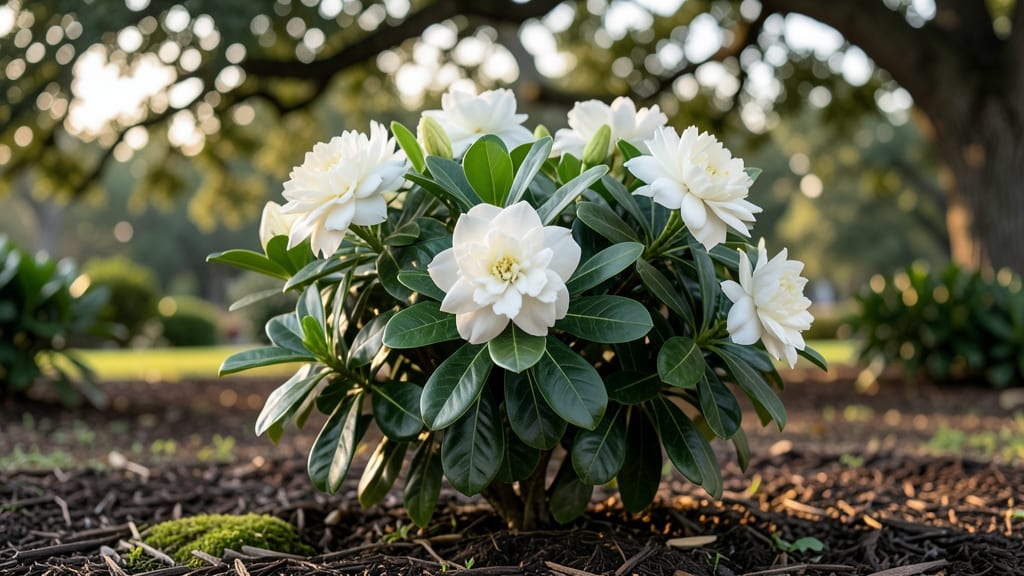
A gardenia shrub size of 4-6 feet at maturity is stunning—until it outgrows your patio or garden plan.
Struggling to keep your gardenia shrub from towering over your patio or overwhelming your landscape? The right pruning techniques can transform an unruly bush into a perfectly proportioned focal point—without sacrificing its stunning blooms.
Some varieties, like 'Radicans', stay compact, while others like 'Fortuniana' can reach 6 feet if left unchecked. Understanding these differences is the first step to controlling growth naturally.
In this guide, I’ll show you how to prune for the ideal size, manage overgrowth without harming blooms, and even use containers to keep your gardenia in check—no matter where you live in USDA Zone 6a.


Natural gardenia shrub size: understanding growth patterns and mature dimensions
If you’ve ever wondered why your gardenia shrub seems to grow taller than your expectations, you’re not alone. These fragrant beauties are known for their lush foliage and intoxicating blooms, but their mature size can vary dramatically depending on the variety and growing conditions.
Understanding these growth patterns helps you plan your garden layout and maintain your gardenia’s health without overcrowding your space.
Most gardenia shrubs reach a mature height between 3 to 6 feet, with a spread of 3 to 5 feet wide. However, some varieties like ‘Radicans’ stay compact at 2 to 3 feet, while others like ‘Fortuniana’ can stretch up to 8 feet if left unchecked.
Knowing your specific variety’s growth habits is the first step to managing its size effectively.
Seasonal growth cycles also play a role in how quickly your gardenia expands. These shrubs experience rapid growth in spring and summer, with new shoots emerging after pruning or fertilizing. In fall and winter, growth slows as the plant conserves energy, making it the ideal time for light pruning to shape the shrub without stunting future blooms.
Sunlight exposure is another critical factor influencing gardenia shrub size. While they thrive in partial shade, too much direct sun can lead to leggy growth, while insufficient light may result in sparse foliage.
Aim for 4 to 6 hours of morning sun and afternoon shade to keep your gardenia bushy and proportionate.
🌱Identifying overgrowth early saves you from drastic pruning later. Watch for these signs: branches extending beyond your desired landscape borders, a leggy appearance (long, sparse stems), or an imbalance where one side of the shrub outgrows the other.
Catching these cues early allows you to prune selectively and maintain a balanced shape.
Variety-specific growth habits are key to predicting your gardenia’s size. For example, ‘Kleim’s Hardy’ gardenias are bred for cold tolerance and typically stay between 3 to 5 feet tall, while ‘Radicans’ varieties are ground covers that spread horizontally. Understanding these differences helps you choose the right gardenia for your garden’s layout.
Here’s a quick comparison of how different gardenia varieties grow to help you visualize their mature dimensions:
Soil conditions also influence how quickly your gardenia grows. These shrubs thrive in well-draining, acidic soil with a pH between 5.0 and 6.5. Poor soil drainage can lead to root rot and stunted growth, while overly alkaline soil may cause yellowing leaves and reduced blooming.
Amending your soil with organic matter, like compost or peat moss, ensures your gardenia has the nutrients it needs to grow at a healthy rate.
If you’re planting gardenias in containers, their size will naturally be more controlled due to root restriction. However, even potted gardenias can outgrow their containers if not pruned regularly.
Choose a container that’s at least 18 inches wide and deep for mature shrubs, and upgrade as your gardenia grows to prevent root-bound stress.
🌿Pro tip: If your gardenia is growing too quickly, reduce nitrogen-rich fertilizers, which promote leafy growth over blooms. Instead, opt for a balanced, acid-forming fertilizer to encourage healthy, proportionate growth without sacrificing those fragrant flowers.
Finally, remember that pruning for size control should always be done after the blooming season (late summer or early fall) to avoid cutting off next year’s buds.
By understanding your gardenia’s natural growth patterns and adjusting care accordingly, you can enjoy a beautifully proportioned shrub that fits perfectly in your landscape.
Step-by-step pruning guide to control gardenia shrub height without harming blooms
Pruning your gardenia shrub to control its size doesn’t have to mean sacrificing those fragrant blooms. The key is timing, technique, and knowing which cuts to make. Gardenias respond best to structured pruning that encourages compact growth while preserving their flowering potential.
Whether your shrub is reaching 6 feet or sprawling uncontrollably, these methods will help you shape it without stress.
Before you grab your shears, remember: gardenia blooms form on new wood, so avoid heavy pruning in late summer or fall. Instead, focus on seasonal maintenance that promotes bushier growth.
With the right approach, you can keep your gardenia at an ideal 3-4 foot height while ensuring it bursts with flowers each season.
🌿 Seasonal Pruning Schedule for Gardenia Shrubs
- 🌱 Spring (March-April): Prune to shape and remove dead or weak branches. Cut just above a leaf node at a 45-degree angle to encourage new growth.
- ☀️ Summer (June-July): Lightly trim overly long branches to maintain shape. Avoid heavy cuts—focus on airflow and sunlight access to prevent disease.
- 🍂 Fall (September-October): Remove spent blooms and crossing branches. Sterilize shears with rubbing alcohol to prevent bacterial spread.
- ❄️ Winter (November-February): Avoid pruning unless dead wood appears. Gardenias rest during cold months—let them recover for spring blooms.
Start by gathering the right pruning tools. Use bypass pruners for clean cuts on small branches and loppers for thicker stems. Always sterilize your tools with 70% isopropyl alcohol before and after pruning to prevent bacterial infections like gardenia blight.
A sharp tool makes cleaner cuts, which heal faster and reduce stress on the plant.
When pruning, always cut at a 45-degree angle, about 1/4 inch above a leaf node. This angle helps water run off the cut, preventing rot. Never leave stubs—stubs invite disease.
For shaping, focus on removing branches that grow inward or cross over others. This opens up the center of the shrub, allowing better airflow and sunlight penetration, which encourages more blooms.
Avoid these common pruning mistakes that can stunt blooming: cutting into old wood (which won’t produce new flowers), over-pruning in one session, or using dull shears that tear branches. Gardenias are sensitive to stress, so gradual pruning is key.
If you notice yellowing leaves after pruning, your cuts may be too severe—scale back next time and focus on lighter maintenance.
To encourage compact growth, prune the tips of branches in spring to promote bushier growth. This technique, called pinching, works well for younger gardenias. For mature shrubs, aim to remove no more than 1/3 of the foliage in a single session.
Over-pruning can shock the plant and reduce flowering. Instead, prune in stages over the growing season for the best results.
After pruning, apply a balanced, acid-forming fertilizer (like cottonseed meal) to support new growth. Water deeply to help the plant recover, but avoid overwatering, which can lead to root rot.
With consistent care, your gardenia will thrive at your desired height and shape while still producing those iconic fragrant blooms every season. 🌸