
Propagation
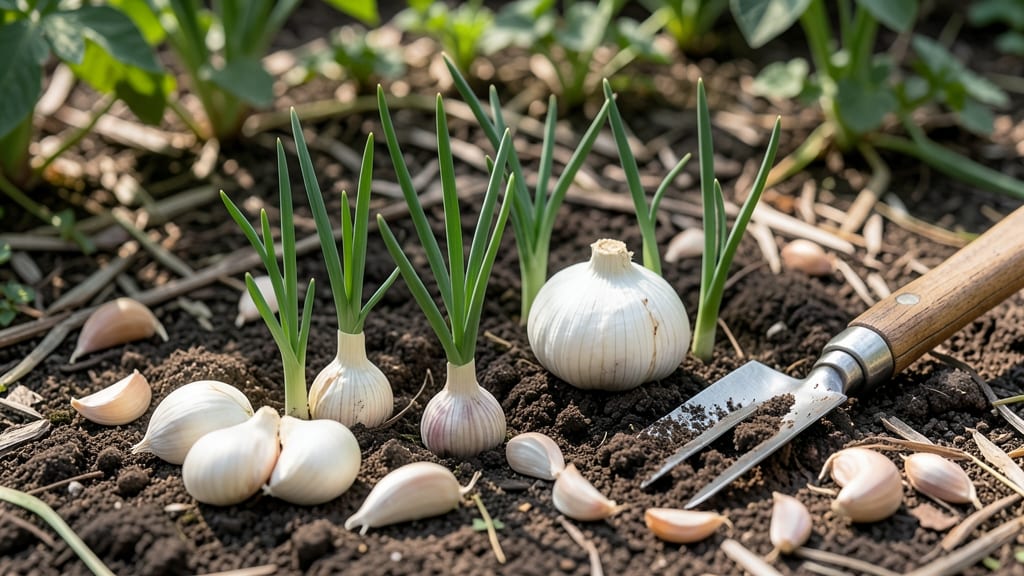
What keeps bunnies away from gardens most effectively combines strong-smelling natural deterrents like garlic, chili pepper, or predator urine with physical barriers such as chicken wire or raised beds. Regular application and maintenance are essential for long-term success.
Bunnies rely heavily on scent and visual cues when exploring gardens, so combining multiple deterrent methods creates a multi-sensory barrier they'll avoid. 🌿 For example, planting strong herbs like rosemary or lavender around the perimeter creates a natural scent perimeter, while motion-activated sprinklers add an extra layer of unpredictability.
I've found that consistency is everything—reapplying homemade sprays every 2-3 weeks during growing seasons keeps rabbits guessing about where safe eating spots might be.
Physical barriers work best when paired with repellents because they address both the rabbit's natural wariness of unfamiliar spaces and their instinct to avoid strong odors. Raised beds with hardware cloth wrapped around the bottom eliminate digging access points, while fencing at least 2 feet high prevents jumping attempts.
The key is making your garden feel like a high-risk feeding zone rather than an easy meal.
💡 In This Article
- Why Bunnies Target Gardens and How Repellents Work
- Top Natural Rabbit Repellent Methods Ranked by Effectiveness
Why bunnies target gardens and how repellents work
Rabbits are drawn to gardens primarily because they're naturally drawn to tender, young plants that require minimal effort to digest. 🌱 Their foraging behavior is driven by both instinct and necessity—wild rabbits spend 60-80% of their daylight hours eating to maintain their high metabolism.
Gardens provide an all-you-can-eat buffet of soft stems, leaves, and flowers that are far more appealing than coarse grasses or twigs.
The key is understanding their sensory triggers: rabbits have an incredibly sensitive sense of smell (they can detect scents up to 14 feet away) and rely on visual cues to identify safe feeding zones.
Natural repellents work by disrupting these sensory signals.
For example, garlic-based sprays release allyl sulfides when crushed, which rabbits find overwhelmingly pungent—similar to how humans might react to strong ammonia. 🧄 Studies show that rabbits avoid areas treated with garlic at concentrations as low as 1 teaspoon per gallon of water, because these compounds mimic the scent of predators.
Chili pepper sprays work through capsaicin, which irritates their nasal passages and creates an unpleasant memory association with the treated area. The effectiveness drops significantly after 1-2 weeks, which is why reapplication is critical during active growing seasons.
Physical barriers create psychological deterrence by eliminating the rabbit's ability to assess a space visually. 🦌 When rabbits encounter fencing or raised beds, their natural wariness of unfamiliar spaces kicks in—wild rabbits are cautious creatures that avoid areas where they can't easily retreat.
Hardware cloth (with 1/4-inch mesh) is particularly effective because it prevents both digging and chewing, while also blocking their line of sight to the plants below.
The key is installing barriers before planting, as rabbits will quickly learn to associate your garden with easy meals if they're given access initially.
What most people don't realize is that rabbits have a strong memory for both positive and negative experiences. 🧠 If they taste a plant treated with a mild repellent and find it tolerable, they'll return.
However, when you combine repellents with physical barriers, you create a multi-layered defense system that makes your garden feel like a high-risk feeding zone. For instance, pairing garlic spray with a 2-foot-tall fence creates both a scent deterrent and a visual warning that says "this area is off-limits."
The psychological impact is what makes these combinations so effective over time.
Seasonal factors also play a crucial role in repellent effectiveness. During spring and summer, when plant growth is most vigorous, rabbits are most active and persistent. 🌿 This is when you'll need to be most vigilant with reapplication schedules.
In fall and winter, when food becomes scarcer, rabbits may become more desperate and willing to test repellent boundaries. Understanding this seasonal pattern helps you adjust your deterrent strategy—adding extra layers of protection during peak activity months while maintaining basic barriers year-round.
The most effective repellent systems create what I call "sensory overload" for rabbits. 💥 This means combining multiple repellent types (scent, taste, and visual) with physical barriers to make your garden feel like an inhospitable zone.
For example, planting strongly scented herbs like rosemary around the perimeter while using motion-activated sprinklers adds both olfactory and auditory deterrents. The combination of these elements works better than any single method because it exploits multiple aspects of rabbit behavior simultaneously.