
Pests
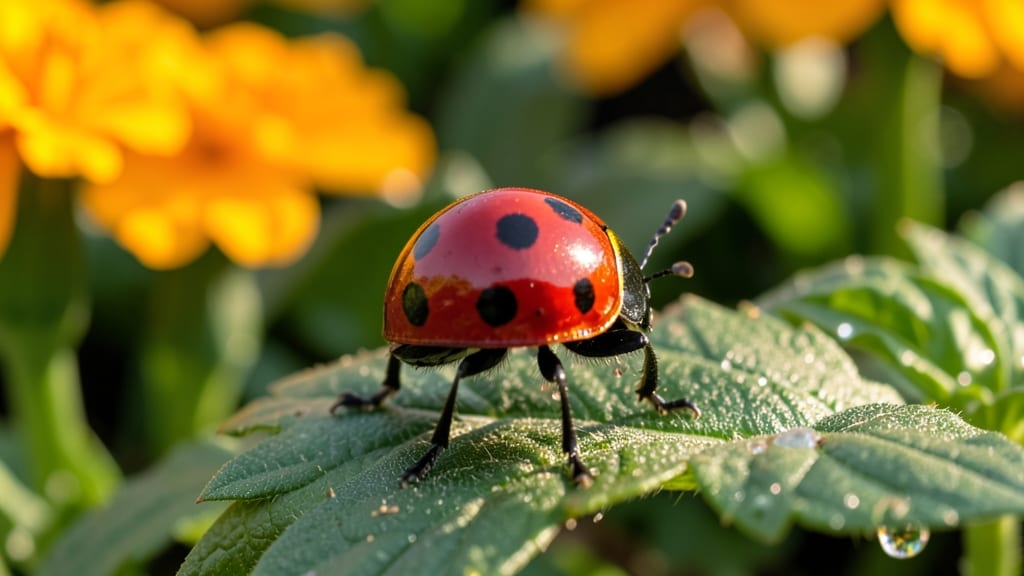
Mastering insects in garden identification is the first step to protecting your plants from damage—and the difference between a thriving harvest and a ruined crop.
Struggling to tell whether that tiny critter is a helpful predator or a hungry pest? Misidentifying insects can mean the difference between a thriving garden and a destroyed crop—yet many gardeners overlook subtle clues that reveal pests from beneficial bugs.
From the speckled wings of a ladybug to the slimy trails of a slug, each insect leaves a unique mark on your plants. Learn to spot these visual clues, understand their behavior, and decide whether to welcome them or keep them at bay.
In this guide, I’ll walk you through the key features of common garden insects, how to distinguish friends from foes, and the most effective natural solutions to manage pests without harming your plants or the environment.
How to identify common garden insects by visual clues & behavior
Identifying insects in your garden starts with observing their body shape, color patterns, and feeding habits. Many gardeners confuse pests like aphids with beneficial insects such as ladybugs, leading to unnecessary interventions.
The key is to look closely at antennae length, wing patterns, and whether they're chewing or sucking plant sap.
Begin with a hand lens or magnifying glass to examine insects up close. Notice if they have six legs (true insects) or more (like spiders). Check for antennae—long and segmented in beneficial bugs, or short and stubby in pests.
Also, observe their movement patterns: do they crawl slowly or dart quickly?
Here’s a quick reference guide to help you distinguish between common garden insects based on their visual characteristics and behavioral traits:
Pay special attention to where you spot the insect. For example, aphids love the undersides of leaves, while ladybugs often hide under rocks or mulch during the day. Caterpillars, on the other hand, might be munching on your tomato or cabbage leaves, leaving behind telltale frass (fecal pellets).
Another clue is their activity time. Slugs and snails are most active at night, while bees and lacewings are diurnal. If you see damage during the day, suspect chewing insects like caterpillars or Japanese beetles.
If the damage looks like tiny holes or sticky residue, it’s likely sap-sucking pests.
Use a white tray or sheet under plants to spot slugs or earwigs at night. Place it near your hostas or lettuce and check in the morning for visitors. This simple trick helps you identify pests before they cause irreversible damage to your vegetable garden.
For winged insects, observe their flight pattern. Bees and hoverflies fly in straight lines, while
Natural pest control methods for each identified insect type
Once you've identified garden insects, the next step is choosing the right natural pest control method. Not all solutions work for every pest—aphids, caterpillars, and beetles each require targeted approaches.
My go-to strategies include organic sprays, companion planting, and biological controls like ladybugs. These methods protect your plants without harsh chemicals while keeping your garden ecosystem balanced.
For aphids and whiteflies, I swear by a soapy water spray (1 tsp mild soap per quart of water). This disrupts their waxy coating without harming beneficial insects. Meanwhile, neem oil works wonders on caterpillars and beetles by interfering with their growth hormones.
Always apply these sprays in the early morning or late evening to avoid harming pollinators.
DIY Remedies vs. Store-Bought Solutions
DIY Remedies
- Pros: Cost-effective, eco-friendly, customizable
- Cons: Time-consuming, less potent, variable results
Store-Bought Solutions
- Pros: Ready-to-use, consistent strength, broad-spectrum
- Cons: Chemical residues, expensive, may harm beneficials
Example: Homemade garlic spray (DIY) vs. pyrethrin-based spray (store-bought).
Companion planting is another powerful tool. For example, marigolds repel nematodes and aphids, while basil deters mosquitoes and whiteflies. I plant these near my tomatoes and peppers to keep pests at bay naturally. This method also improves soil health and attracts pollinators like bees and hoverflies.
Physical barriers are my secret weapon against slugs and caterpillars. A simple copper tape barrier around raised beds creates an electric shock for slugs, while row covers protect young plants from flying insects like cabbage moths.
For beetles, I use diatomaceous earth around plant bases—it’s non-toxic but deadly to their exoskeletons.
Biological controls often provide the most long-term solutions. Introducing ladybugs for aphid control or parasitic wasps for caterpillars creates a natural balance. I order these from reputable suppliers and release them in the early evening when temperatures are cooler.
Always research the specific needs of the beneficial insect before releasing them into your garden.
Finally, crop rotation and intercropping disrupt pest life cycles. For instance, alternating brassicas (like cabbage) with alliums (like onions) confuses pests that rely on specific host plants. This method reduces the need for interventions while improving soil fertility and plant resilience over time.