
Tools
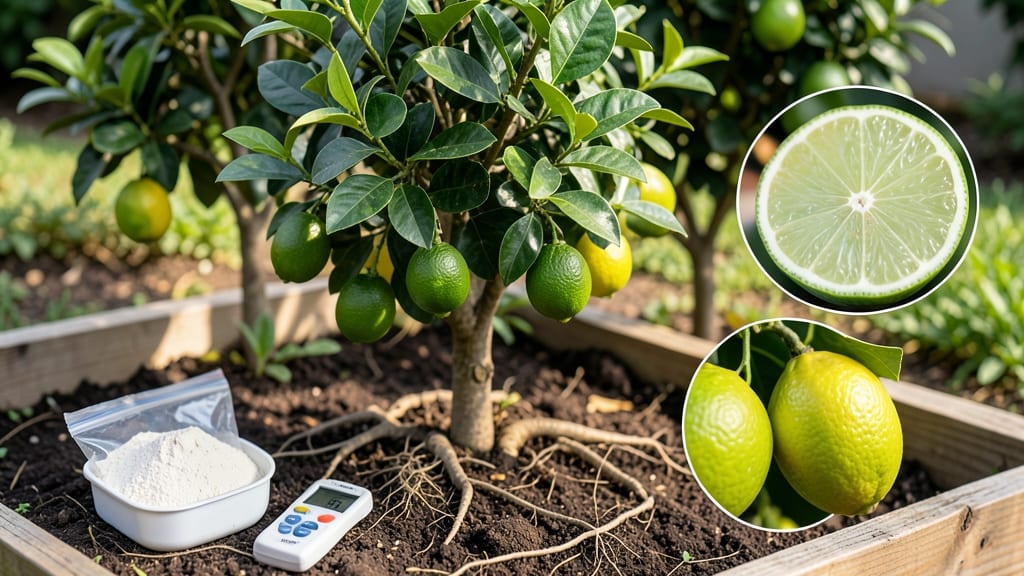
Lime in gardening is used to raise soil pH, neutralize acidity, and improve nutrient availability for acid-loving plants like blueberries and azaleas. It also helps deter pests such as slugs and snails while improving soil structure for healthier root development.
Lime, often made from calcium carbonate or magnesium, acts like a natural pH regulator in your garden soil. 🌱 When applied correctly, it helps unlock essential nutrients like phosphorus and nitrogen that plants need to thrive.
Many gardeners use it to prevent common issues like yellowing leaves (chlorosis) in plants that prefer slightly alkaline conditions. Plus, the gritty texture of lime can deter soft-bodied pests while improving drainage in heavy clay soils.
For best results, I recommend testing your soil first—most acid-loving plants prefer a pH between 5.0 and 6.5, while vegetables often do better in slightly alkaline soil (6.0-7.0). You can apply lime in early spring or fall, spreading it evenly over the soil surface and lightly raking it in.
Just be careful not to overdo it, as too much lime can make your soil too alkaline and harm certain plants.
💡 In This Article
- How Lime Adjusts Soil pH and Boosts Plant Health
- Practical Lime Applications: Dosage, Timing, and Organic Alternatives
How lime adjusts soil pH and boosts plant health
The magic of lime in gardening lies in its chemical composition—primarily calcium carbonate (CaCO₃) or dolomitic lime (CaMg(CO₃)₂). When applied to acidic soil, lime reacts with hydrogen ions (H⁺) in the soil solution, neutralizing them through a process called neutralization.
This reaction raises the soil pH by converting acidic compounds into water and carbon dioxide. For example, in highly acidic soils with a pH below 5.5, lime can increase pH by up to 1.5 points per application, depending on soil type and organic matter content.
This pH adjustment is critical because it unlocks essential nutrients like phosphorus and nitrogen that become unavailable in overly acidic conditions. Plants like blueberries and azaleas thrive in acidic soil (pH 4.5-5.5), but even these acid-lovers can suffer from nutrient lockout if the soil becomes too acidic.
Lime also helps prevent chlorosis—the yellowing of leaves caused by iron deficiency—by improving iron availability in alkaline conditions. The ideal pH range for most vegetables is 6.0-7.0, while lawns often benefit from a slightly acidic pH of 6.0-6.5.
Beyond pH correction, lime improves soil structure by adding calcium and magnesium ions that help bind soil particles together. This creates better aeration and drainage, especially in heavy clay soils where roots can suffocate.
The gritty texture of lime also acts as a natural barrier against soft-bodied pests like slugs and snails, which prefer moist, acidic environments. For instance, applying lime around hostas or lettuce beds can significantly reduce slug damage by creating an inhospitable environment for these pests.
One key mechanism often overlooked is how lime affects soil microbes. Beneficial bacteria and fungi that help decompose organic matter thrive in slightly alkaline conditions, which lime helps maintain. This microbial activity boosts nutrient cycling, making more organic matter available to plants.
However, the timing of application matters—lime works best when applied 3-6 months before planting, giving it time to fully react with the soil. For example, if you're planting azaleas in spring, apply lime in late fall to allow the pH adjustment to take full effect.
Consider this comparison: A soil test showing a pH of 5.0 might require 5-10 pounds of lime per 100 square feet to raise it to the ideal range of 6.0-6.5 for vegetables.
The exact amount depends on your soil's buffering capacity—sandy soils need more frequent applications, while clay soils hold onto lime longer. Over-liming can be just as harmful as under-liming, so always follow soil test recommendations.
For instance, applying too much lime to a blueberry bed could raise the pH above 6.0, causing nutrient deficiencies that stunt growth.
What most gardeners don't realize is that lime's benefits extend beyond the growing season. The calcium it provides strengthens cell walls in plants, making them more resistant to diseases like powdery mildew and fungal infections.
This is why many organic gardeners use lime as a preventive measure in their soil management routines. The key is balance—lime isn't a one-size-fits-all solution, but when used correctly, it can transform struggling soil into a thriving ecosystem for your plants. 🌿