
Tools
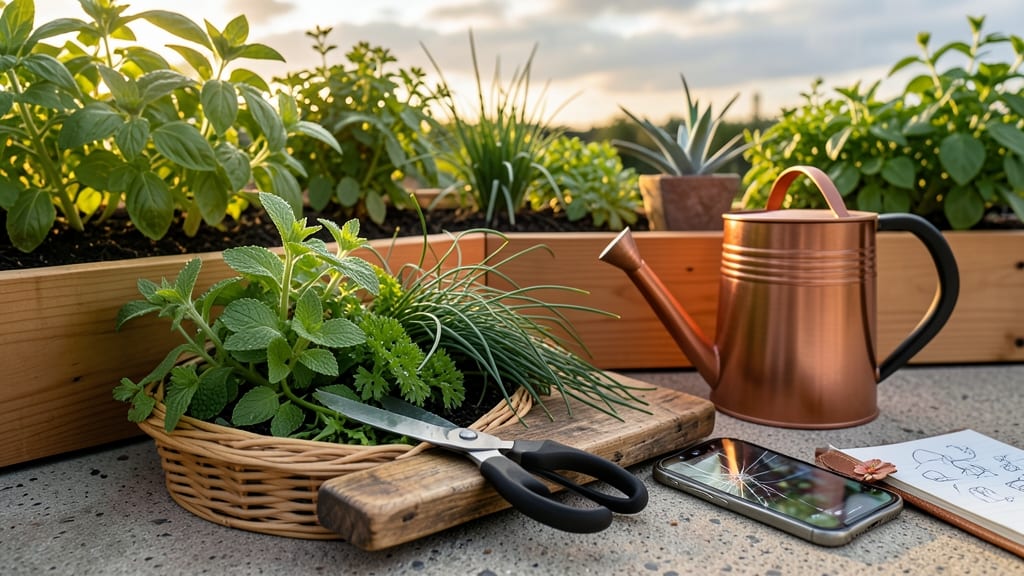
Millennials and gardening have become a powerful movement as this generation adopts growing plants at unprecedented levels, blending sustainability with practical DIY culture. Urban and container gardening now dominate their approach, reflecting a shift toward accessibility and community-focused projects.
This surge isn't just about growing herbs or tomatoes—it's a lifestyle shift. 🌱 Millennials are drawn to gardening because it combines mental health benefits (like stress relief) with tangible cost savings, especially as inflation makes fresh produce expensive.
Apps like Gardenate and PlantNet have made it easier than ever to track plant care, while shared community gardens are fostering social connections. The pandemic accelerated this trend, but the cultural shift toward sustainability and self-sufficiency is here to stay.
What's particularly interesting is how this generation adapts gardening to urban spaces. Vertical gardens and hydroponic systems let them grow food without traditional yards, while seed-starting kits have become a viral hobby.
Even indoor herb gardens on windowsills are gaining traction—proof that millennials aren't just gardening, they're reimagining it for modern living.
💡 In This Article
- Key Reasons Millennials Are Turning to Gardening
- Top Gardening Trends Among Millennial Gardeners
Key reasons millennials are turning to gardening
Millennials are drawn to gardening because it directly addresses three core needs: mental well-being, financial practicality, and environmental responsibility. Studies show that gardening reduces cortisol levels by 24%—similar to meditation—while providing immediate sensory rewards like the fresh aroma of basil or the satisfying crunch of homegrown cherry tomatoes.
This generation, raised during the 2008 financial crisis, also views gardening as a cost-effective way to produce food, with the average urban garden yielding $600 worth of produce annually—a significant savings compared to grocery prices.
The pandemic acted as a catalyst, forcing people to rethink their relationship with nature. With 30% of millennials reporting increased gardening activity in 2020, the trend wasn't just about growing food—it was about reclaiming control.
Unlike previous generations, millennials prioritize sustainability, and gardening offers a tangible way to reduce their carbon footprint. For example, growing just one tomato plant can save 1,000 gallons of water compared to store-bought tomatoes, which often require irrigation from distant farms. 💚
Economic factors play a huge role too. Inflation has made fresh produce 12% more expensive since 2020, pushing millennials to seek alternatives. Seed packets cost pennies compared to pre-packaged herbs, and container gardening eliminates the need for large plots.
Even renters can participate—balcony gardens with 5-gallon buckets can produce enough greens for a family of four. The accessibility of small-space solutions aligns perfectly with millennial values of adaptability and resourcefulness.
Culturally, millennials reject the idea that gardening is a hobby for retirees. Instead, they've rebranded it as a tech-savvy, community-driven activity. Apps like Gardenate provide hyper-local planting advice, while platforms like Facebook Groups connect urban gardeners for seed swaps and troubleshooting.
This digital-native generation doesn't just want to grow plants—they want to learn, share, and optimize their gardening experience through data and collaboration.
There's also a strong connection to social justice. Millennials are more likely to support community gardens in underserved neighborhoods, where fresh produce access is limited. Initiatives like Growing Power (founded by Will Allen) show how gardening can address food deserts while creating jobs.
For this generation, gardening isn't just personal—it's a way to contribute to larger systemic change. 🌱
Finally, the tactile nature of gardening appeals to millennials' desire for meaningful, screen-free experiences. After years of digital overload, the act of digging soil, watching seeds sprout, and harvesting food provides a satisfying contrast.
Research from the American Community Gardening Association shows that millennials are twice as likely** as older generations to join gardening clubs, proving that this isn't just a passing trend—it's a cultural shift toward valuing hands-on, rewarding activities.