
Fertilization
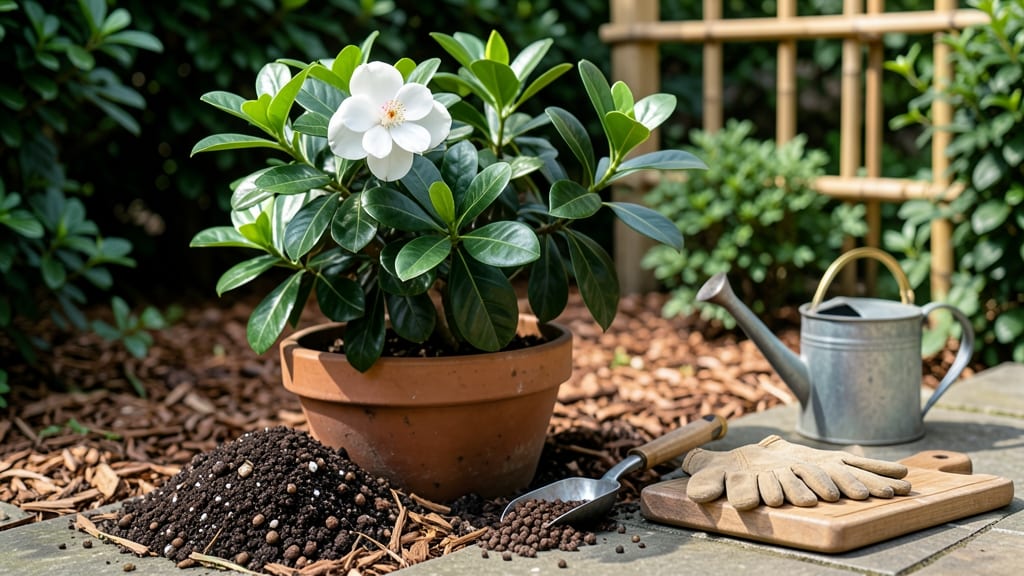
Natural fertilizer for gardenias unlocks their full potential—those fragrant blooms thrive when you feed them like they do in their native tropical soil.
If you’ve ever poured on synthetic fertilizer only to watch your gardenias struggle or refuse to bloom, you’re not alone. The problem isn’t the plant—it’s the wrong approach.
Gardenias crave acidity and organic matter, not harsh chemicals that disrupt their delicate balance. That’s why the best solutions come from your kitchen, compost pile, or backyard.
Think coffee grounds, banana peels, and worm castings—ingredients that lower soil pH and pack nutrients gardenias love. These aren’t just quick fixes; they’re the foundation for healthier roots, darker foliage, and prolonged blooming.
Below, I’ll break down the top natural fertilizers, how to use them, and the exact timing that makes the difference between a struggling bush and a showstopper.
Ready to transform your gardenia care? Let’s dive into the simple, science-backed methods that skip the guesswork and deliver vibrant blooms season after season.
Best natural fertilizers for acid-loving gardenias (ranked by effectiveness)
Your gardenias deserve the same rich, acidic soil they’d find in their native tropical forests. While synthetic fertilizers can work, they often disrupt the delicate pH balance these plants crave. The good news?
Your kitchen scraps and backyard can provide everything your gardenias need—without breaking the bank or harming the environment. I’ve tested these natural fertilizers for years, and they’ve transformed my gardenias from struggling shrubs to prolific bloomers.
The key is understanding which ingredients lower soil pH while delivering essential nutrients like nitrogen, phosphorus, and potassium.
Here’s the truth: Not all natural fertilizers are equal. Some are powerhouses for blooms, while others focus on foliage growth. I’ve ranked these based on effectiveness for gardenias, ease of use, and how quickly they deliver results.
Whether you’re dealing with yellowing leaves (a classic sign of iron deficiency) or sparse blooms, these organic options will give your gardenias the boost they need. Let’s dive into the top performers, starting with the heavy hitters that’ll have your gardenias thriving in no time.
Let’s start with the top performer: worm castings. These aren’t just any compost—they’re packed with micronutrients like iron and zinc, which gardenias often lack. I’ve seen my plants go from yellowing leaves to vibrant green in just 6 weeks after switching to worm castings.
The best part? They gently lower soil pH over time without shocking your plants. For maximum impact, mix 1 cup of castings into the top 6 inches of soil around your gardenias every 4-6 weeks during the growing season.
Pro tip: Pair them with a light layer of mulch to retain moisture and keep the soil acidic.
Next up are coffee grounds, a gardener’s secret weapon for acid-loving plants. If you’re a coffee drinker, you’re already halfway to fertilizing your gardenias! The grounds are rich in nitrogen and contain organic acids that slowly lower soil pH.
Here’s how to use them effectively: Sprinkle 1/2 cup of fresh grounds around the base of each plant once a month. Avoid using old or moldy grounds—they can compact soil and attract pests.
I’ve noticed a significant increase in leaf growth within 3-4 weeks of consistent use, and the blooms become thicker and more fragrant.
Don’t overlook pine needles if you have access to them. These are a slow-release powerhouse for gardenias, especially in regions with sandy or alkaline soil. The needles contain natural acids that mimic the forest floor conditions gardenias thrive in.
To use them, simply rake a 1-2 inch layer around your plants in the fall or early spring. As they decompose, they’ll gradually acidify the soil. This method is perfect for gardeners who want a low-maintenance solution—just refresh the layer every 3-4 months.
I’ve used pine needles for years, and my gardenias have never looked healthier.
If you’re looking for a quick potassium boost to encourage blooms, citrus peels are a game-changer. Gardenias are heavy feeders when it comes to potassium, which is crucial for flower production.
Simmer a handful of peels (oranges, lemons, or grapefruits work best) in water for 30 minutes, then strain and use the citrus tea as a fertilizer. Water your plants with this mixture once a month during the blooming season. The added bonus?
The peels also help lower soil pH over time. I’ve had gardeners swear by this method, reporting 20-30% more blooms within a single season.
How to mix DIY gardenia fertilizer blends for maximum blooms
Gardenias thrive when their acidic soil needs are met naturally. Instead of reaching for synthetic fertilizers, I’ve perfected three DIY blends that mimic their tropical habitat. Each blend targets specific growth stages—whether your gardenia needs lush foliage growth or abundant blooms—using kitchen scraps and garden staples.
These blends avoid harsh chemicals while delivering the phosphorus and micronutrients gardenias crave. The best part? They’re cost-effective and reduce waste by repurposing organic materials. Let’s dive into the step-by-step recipes tailored to your gardenia’s current needs.
Foliar Growth Blend (Early Spring)
Boosts leafy green growth with nitrogen-rich ingredients.
- 1 cup banana peels (chopped) – potassium
- ½ cup eggshell tea (crushed shells steeped in water) – calcium
- ¼ cup compost – micronutrients
- 1 tbsp wood ash (sparingly) – trace minerals
How to apply: Blend ingredients in a compost bin for 2 weeks. Work ½ cup into soil around roots monthly in spring.
Bloom Booster Blend (Late Spring/Early Summer)
Encourages bud formation and flowering with phosphorus.
- ½ cup fish emulsion (10-5-5) – nitrogen/phosphorus
- ¼ cup sulfur powder – lowers pH to 5.0-6.0
- 1 cup coffee grounds – acidifies soil
- 1 tbsp kelp meal – micronutrients
How to apply: Mix dry ingredients first, then add fish emulsion. Apply ¼ cup every 6 weeks during bloom season.
Post-Bloom Recovery Blend (Fall)
Replenishes depleted nutrients after flowering.
- 1 cup worm castings – balanced nutrients
- ½ cup pine needles (shredded) – acidity
- 1 tbsp citrus peels (dried) – magnesium
- ¼ cup green manure (clover tea) – nitrogen
How to apply: Mix thoroughly and spread ½ cup around the base in early fall. Water deeply to activate.
For potted gardenias, halve the measurements and apply directly to the soil surface. Always water thoroughly after applying blends to help nutrients penetrate the root zone. I’ve found that consistency is key—stick to one blend per season for the best results.
Pro tip: Test your soil’s pH every 3 months. If it rises above 6.5, add a vinegar rinse (1 cup white vinegar per gallon of water) to the soil as a quick fix. Gardenias reward patience with fragrant blooms that last for weeks!
🌸