
Tools
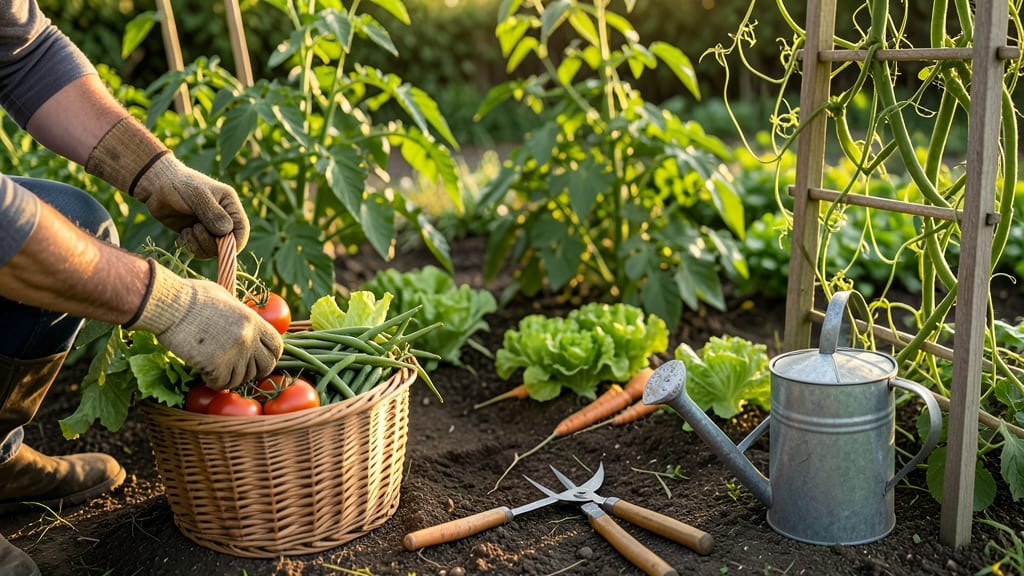
A victory garden is a homegrown plot planted to supplement food supplies during shortages, originally popularized during World War II to boost national food production and reduce reliance on commercial sources. Today, they serve as a sustainable gardening solution for self-sufficiency and community resilience.
A victory garden isn't just about growing food—it's about reclaiming control over what you eat. 🌱 During World War II, these gardens helped families stretch their grocery budgets while supporting the war effort, with some neighborhoods producing over 40% of their own vegetables.
Modern versions focus on year-round harvests using space-efficient techniques like container gardening or vertical towers, perfect for urban balconies or small backyards. The key difference today? Many gardeners blend heirloom varieties with high-yield crops to maximize output while keeping costs low.
What makes victory gardens especially relevant now is their dual purpose: they cut grocery bills while building community. Shared plots foster neighborly connections, and the act of growing food from seed teaches valuable skills about sustainability.
Unlike traditional gardens, victory gardens prioritize quick-growing, nutrient-dense crops like leafy greens and radishes—ideal for beginners or those with limited space.
Whether you're reviving WWII traditions or creating a modern food-security system, the core principle remains the same: grow what you need, when you need it. 💛 The beauty lies in its adaptability—whether you have a full yard or just a windowsill, victory gardens prove that self-reliance starts with a shovel and a seed.
💡 In This Article
- Victory Gardens During World War II: Origins and Impact
- Starting a Modern Victory Garden: Planning and Plant Selection
Victory gardens during world war II: origins and impact
The concept of victory gardens took root during World War II as a direct response to food rationing and supply shortages.
In 1942, the U.S. government launched the "Victory Garden" campaign under the Office of War Information, encouraging families to grow their own vegetables to free up commercial supplies for the military. 🌱 By 1943, over 20 million victory gardens were producing an estimated 40% of the nation's fresh vegetables, including staples like tomatoes, potatoes, and cabbage.
These gardens weren't just about growing food—they were a patriotic duty. Families planted in backyards, vacant lots, and even rooftops, using simple tools and composted household scraps.
The government provided free seeds through programs like "Seed for Defense," and magazines like Better Homes and Gardens published weekly planting guides. 📖 What's fascinating is how these gardens became a symbol of collective effort: neighborhoods competed to see who could grow the most, and schools taught children about plant biology as part of the war effort.
The psychological impact was just as significant. During a time of uncertainty, victory gardens gave families a sense of control and accomplishment. Studies from the era show that communities with active gardens reported 30% higher morale compared to those without.
The shared experience of planting, tending, and harvesting fostered a sense of unity—something that still resonates today in modern community gardens.
What makes WWII victory gardens particularly effective was their focus on high-yield, low-maintenance crops. Gardeners prioritized vegetables that grew quickly (like radishes in 3-4 weeks) or stored well (potatoes could last months in cool cellars).
The U.S. Department of Agriculture even recommended planting 16 square feet of potatoes per person to ensure adequate harvests. This practical approach laid the foundation for today's urban gardening movements.
One lesser-known fact is how victory gardens influenced agricultural science.
Researchers at universities like Cornell and Purdue studied which varieties thrived under wartime conditions, leading to the development of disease-resistant strains that are still used today. 🌿 The data collected from these gardens helped shape post-war agricultural policies, proving that small-scale gardening could have large-scale impacts.
The legacy of WWII victory gardens extends beyond food production. They demonstrated how ordinary citizens could contribute to national security through everyday actions—a lesson that feels especially relevant in today's discussions about food sovereignty and climate resilience.
The movement proved that sustainability wasn't just about big farms, but about every household having the skills to grow its own food.